Pulled $20,000 from super? It could cost you $80,000 later




Australians withdrew more than $817.6 million from their super funds for dental treatment alone last financial year, as regulators warn some dentists and doctors are encouraging patients to tap their retirement savings to pay for treatment.
Health and tax authorities say some medical practitioners are using social media to promote early access to super for procedures including dental work, IVF and bariatric surgery, despite concerns patients may be sacrificing tens of thousands of dollars in future retirement savings.
In 2024/25, a significant portion of the $1.4 billion released from super on compassionate grounds was used to pay for medical treatment.
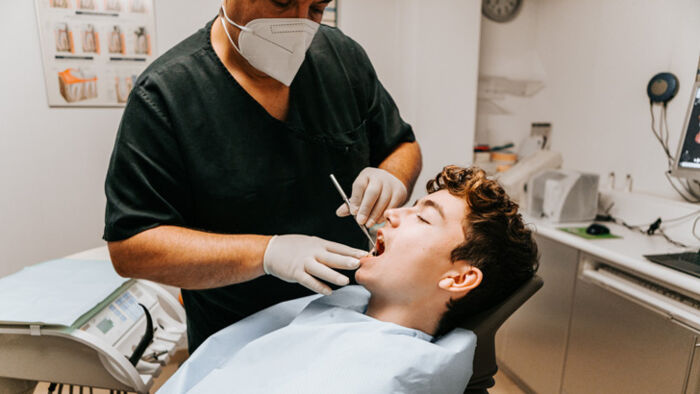
Last financial year, the Australian Taxation Office (ATO) received 47,630 applications for early release of super to fund dental treatment, totalling $817.6 million.
That's up from 2023/24, when the ATO received 31,780 applications for dental treatment and approved 22,520 of them, releasing $526.4 million from super accounts.
A $20,000 withdrawal could cost you $80,000
The ATO warns that accessing super early can have a significant long-term impact on retirement savings.
According to the regulator, withdrawing between $10,000 and $20,000 today could reduce retirement savings by between $40,000 and $80,000 because of lost compound returns.
Early withdrawal may also reduce any insurance cover linked to a super account.
- $10,000 withdrawn: Up to $40,000 less at retirement
- $20,000 withdrawn: Up to $80,000 less at retirement
Source: ATO
Dodgy ads on the rise
Regulators attribute the growing number of applications to access super early to advertising from some dental and medical practitioners actively encouraging patients to use retirement savings to pay medical bills that may otherwise be funded through payment plans or other means.
Despite updated guidelines on the early release of super being announced last year, some medical and dental practitioners continue to ignore the rules.
A quick Google search uncovers multiple dental and medical providers offering information about accessing super to cover treatment costs.
The guidelines state that two dental or medical practitioners must confirm treatment is necessary to alleviate acute or chronic pain, treat a life-threatening illness or injury, or alleviate acute or chronic mental illness.
But regulators say some practitioners have been caught helping patients access super for expensive cosmetic treatments that may not meet the criteria.
Some dentists have also been found charging fees to assist patients with preparing ATO documents despite not being registered tax agents.
Between 2019 and 2025, AHPRA received 95 complaints about medical and dental practitioners involved in the compassionate release of super process.
ATO Deputy Commissioner Ben Kelly said some practitioners have even been caught asking patients for their myGov sign-in passwords so applications could be lodged on their behalf.
"It is unacceptable for anyone to pressure Australians into accessing their superannuation savings early to pay for overpriced or unnecessary treatments," Kelly says.
"Superannuation is a long-term investment designed to be used during retirement. Accessing your super early carries long-term financial risks and can cut into your retirement savings."
The ATO has also uncovered examples of practitioners making inaccurate statements in medical reports, referring two doctors to a tribunal for allegedly providing false documentation. Another doctor has been formally cautioned, while a dentist has had conditions imposed on their registration.
The red flags patients should watch for
The Australian Dental Association (ADA) has also expressed concern, reminding consumers that dentists cannot provide financial advice about the consequences of withdrawing super.
The ADA recommends dentists avoid advertising the compassionate release of super altogether.
"We are also stressing that, as well as reports, patients need a quote from the practitioner about the cost of treatment necessary to treat the acute condition, as well as an indication of future treatment and maintenance costs. That way there's complete transparency for both sides," ADA president Dr Chris Sanzaro says.
- Pressure to access super quickly
- Requests for your myGov login details
- Offers to lodge ATO applications on your behalf for a fee
- Claims treatment is effectively "paid for" through super
The amount of super you can withdraw on compassionate grounds is not capped, but approval is required from the ATO.
Early release attracts tax of between 17% and 22% if you are under 60 years of age.
The ATO says compassionate release is only available in limited circumstances and should generally be considered a last resort.
It also warns that it relies on medical and dental professionals to provide accurate information and act in patients' best interests when preparing reports.
Before accessing super, Australians should consider not only the immediate cost of treatment, but also what those savings could have grown to by retirement. For some people, a $20,000 withdrawal today could mean giving up as much as $80,000 in future retirement savings.
Accessing your super early
You may be able to access your super early on compassionate grounds for yourself or a dependant under limited circumstances.
Applications generally need to relate to an unpaid expense. However, if you've borrowed money to cover the expense, you may be able to withdraw super to repay the outstanding balance.
Eligible reasons include:
- Medical treatment or medical transport
- Modifying a home or vehicle because of a severe disability
- Palliative care for a terminal illness
- Funeral, burial or death expenses for a dependant
- Preventing foreclosure or forced sale of a home
Source: ATO
Get stories like this in our newsletters.