Nine money-saving habits that could actually cost you more




Cheap petrol, DIY cleaners, op-shop bargains and free giveaways can seem like smart ways to save. But in some cases, these money-saving habits can end up costing more than they save. Here's where frugality can backfire.
Almost everyone has done it.
In an effort to save money, we've bought something cheap that didn't last, stocked up on things we didn't need, or turned leftovers into a meal nobody would eat.
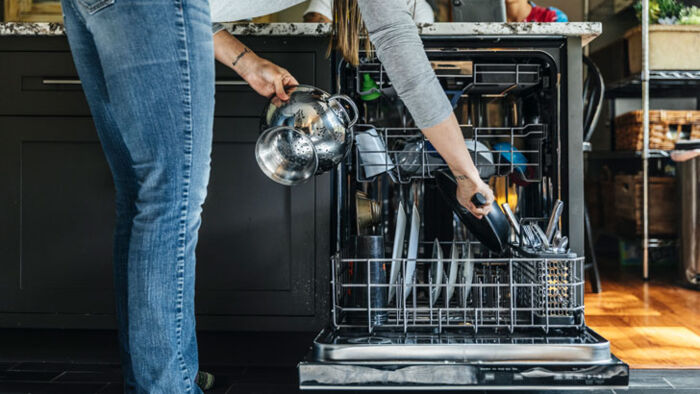
Sometimes being frugal works brilliantly. Sometimes it backfires.
From damaging your car with the wrong fuel to filling your home with "free" clutter, here are seven money-saving habits that ended up costing more in the long run.
The biggest false economies to avoid
- Using the wrong fuel for your car
- Buying things simply because they're cheap
- Collecting free items you don't need
- Trying to rescue food that's no longer safe to eat
- Using DIY cleaning solutions inappropriately
- Choosing quantity over quality
- Ignoring the long-term cost of a bargain
1. The driving trick that no longer saves fuel
In my twenties, I was travelling in the mountainous province of Lanzhou in Northern China, and the bus driver turned his engine off most of the way down.
Scared? I was terrified.
Some drivers still shift into neutral on downhill stretches to save fuel.
But experts warn the trick no longer delivers meaningful savings and could increase wear on your vehicle.
According to motoring expert Toby Hagon, shifting into neutral is a classic false economy.
"Years ago, you could have saved money switching to neutral," he said.
"But modern engines are designed not to use any petrol at all when not in use. Further, every time you switch in out and of gears, you put pressure on your gearbox - and that will eventually mean you will need to get it serviced sooner."
2. Why cheap petrol isn't always cheaper
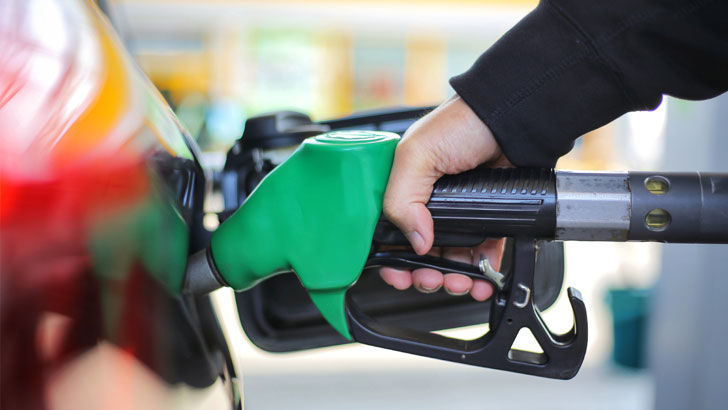
Choosing the cheapest fuel can save money at the pump, but using the wrong fuel for your vehicle could lead to costly repairs and even affect your warranty.
According to Hagon, studies show that cars generally get more mileage out of more expensive petrol, but if the higher-end petrol is too expensive, there is no way to recoup the expense.
To work out the most cost-effective fuel for your vehicle, he advises drivers to fill up with 3-4 litres of a particular type of petrol, monitor the mileage, calculate the cost, then fill up and repeat with other types of petrol.
But Hagon cautions it is false economy to fill up with cheaper fuel if your car requires premium unleaded.
"Many European models specify premium unleaded, and this is because Australia's lower-priced fuels often have a higher sulphur content than the engines are designed for," he said.
"You could damage your motor and void your warranty by filling up with cheaper fuel."
3. The cleaning hack that can damage your home
I'm a huge fan of using affordable, natural cleaners, including vinegar and bicarbonate of soda.
On their own, they are powerful, but when combined the acid and alkaline properties creates a chemical reaction that can clear blocked drains, remove stubborn stains and save burnt pans.
Unfortunately, there are times when these ingredients are unsuitable for cleaning.
You should avoid using vinegar, for instance, when cleaning French polished furniture, wooden flooring or granite and marble surfaces.
Experts also advise not to use vinegar as a rinse aid in your dishwasher as it can break down the rubber gaskets and hoses.
Always follow your manufacturer's instructions and use appropriate products.
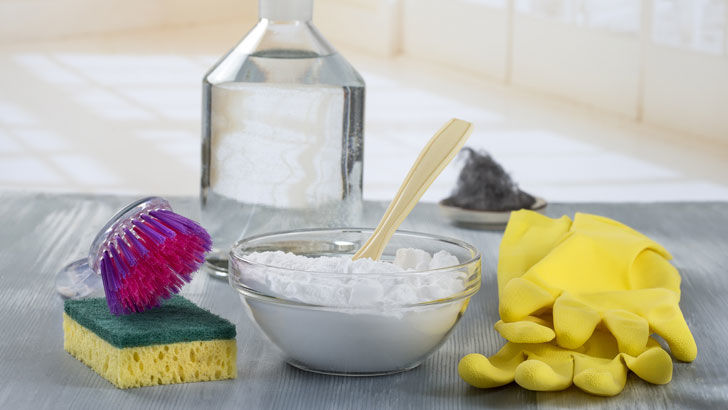
And as for bicarbonate of soda, let's just say that my oven has never recovered since I cleaned it with bicarb.
In theory, bicarb is great at removing baked-on grease.
But despite the many TikTok clips proclaiming the virtues of using bicarb for cleaning ovens, my oven walls are covered in powdery, white streaks.
4. When homemade cleaners become an expensive mistake
I love innovating and experimenting, and that includes making homemade cleaning products. I've featured several in my book, and I have a Household Hacks section on my website.
Many of them save me hundreds of dollars a year. But that doesn't mean I get it right all the time.
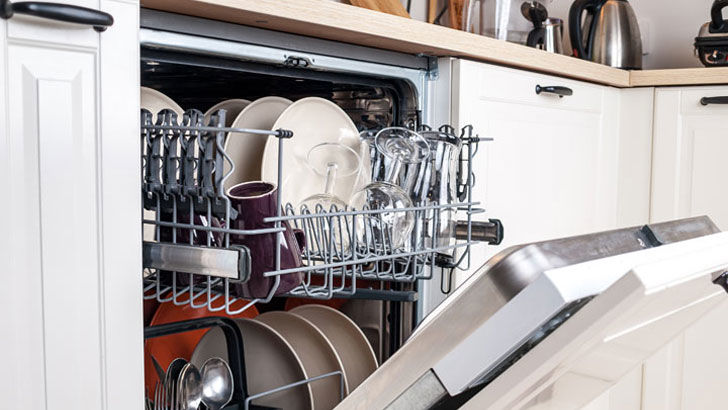
My frugal and eco-friendly homemade dishwashing powder was an epic fail (still hoping to nail it one day).
It didn't dissolve fat and grime properly, the pipes in the dishwashing machine blocked, and the shelves went orange and mouldy.
Meanwhile, friends have reported making homemade washing powder that doesn't work for them.
My good friend, Trish, made several kilos from a recipe (not mine) that made her skin itch so severely she had to throw the lot out.
5. The leftover meal that ended up in the bin
I am committed to reducing food waste and like to find creative uses for leftovers.
Recently, I converted some beyond best-before cream into ice-cream.
The result wasn't a money-saving win. It tasted sour, nobody would eat it, and I ended up wasting not only the cream but all the extra ingredients that went into the recipe.
I invested cream in this recipe and sugar, vanilla, evaporated milk and chocolate syrup, all of which I will throw out unless I can convince hubby to eat it.
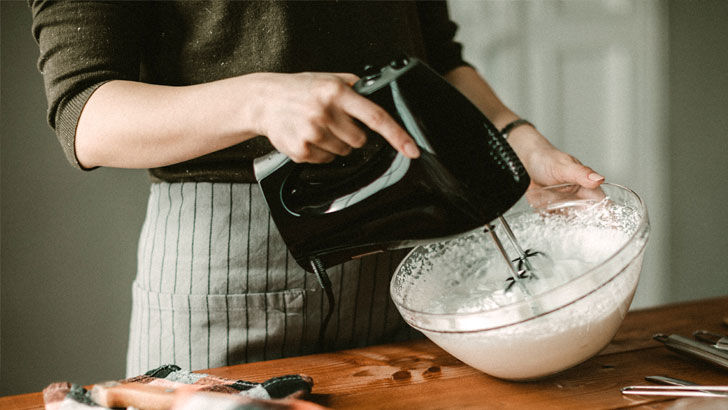
In this case, my kitchen creativity was a little off. But you can also get serious food poisoning from eating food that has gone bad.
While I dislike wasting food, if you are unsure how long something has been lurking in the fridge, it is best to turf it. When in doubt, throw it out.
6. The hidden cost of op-shopping
I have a fortnightly allowance just for op-shopping.
I love a good op shop, and find it difficult to go past a store without walking in.
I love the fact that I am contributing to community-based organisations, encouraging sustainability - and getting bargains.
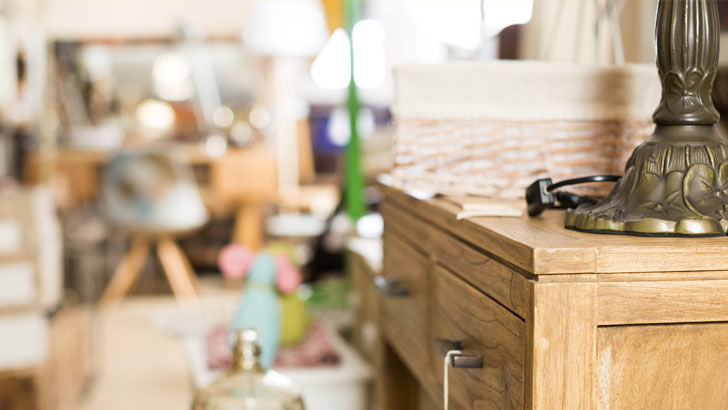
Can you have too much of a good thing? Absolutely.
There are only so many clothes, retro pieces of cookware, china trios and books that you need.
The problem with op-shopping (and I hate to admit this) is that most of the time, purchases are wants rather than needs. And if I don't really need it to start with, it is never a bargain.
7. Why free stuff can end up costing you
Free isn't always free. Many people end up spending time, fuel and storage space collecting items they never use.
I love my Buy Nothing community so much I'm now an admin.
The sharing economy is great for saving money, and I save hundreds of dollars each year from things that people have given me.
The problem is that it is super easy to comment on items that I don't need, and then when chosen (oh, the joy!), feel obliged to go and collect - even if it is going to become a dust gatherer.
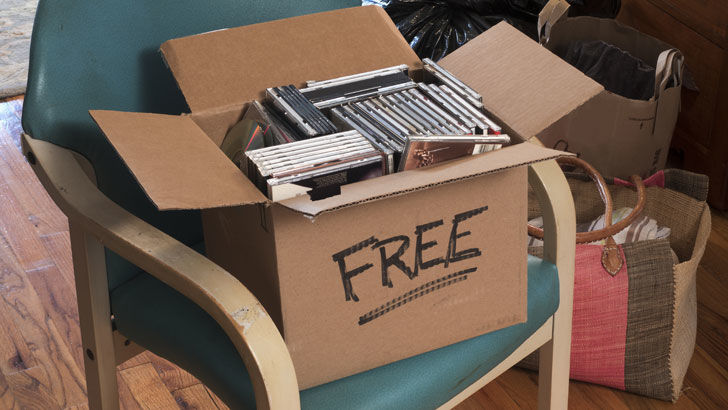
I still have things collected more than five years ago that I haven't used - like an unusual square red glass bowl (I think it's an ashtray - don't smoke), a miniature pan and brush (lost under the sink).
Nothing is ever truly free; you need to invest time and effort to pick items up, store them and dispose of them when you no longer need them.
The moral is that it's fine not to save things from being thrown out. If you don't need it, then you don't need it - even if it's free.
8. Buying in bulk and throwing half of it away
Buying in bulk is often held up as one of the easiest ways to save money.
Larger pack sizes usually work out cheaper per unit, and warehouse stores can offer significant discounts.
The catch? You only save money if you actually use what you buy.
I've lost count of the number of times I've stocked up on a "bargain" only to discover months later that half of it had expired in the pantry or freezer.
From family-sized packs of snacks to bulk cleaning products and giant bags of produce, it's easy to overestimate what you'll realistically use.
The same applies to sales. Buying three of something because it's half-price isn't a saving if you only needed one.
A good rule of thumb is to ask yourself: would I still buy this quantity if it wasn't on special? If the answer is no, it may not be a bargain after all.
9. Choosing the cheapest option every time
There's a difference between getting value for money and simply buying the cheapest product available.
I've learned this lesson the hard way with everything from kitchen gadgets to shoes.
A low upfront price can be appealing, but if the item breaks quickly, performs poorly or needs replacing sooner, you may end up spending more in the long run.
The same principle applies to services.
Choosing the cheapest tradesperson, appliance or insurance policy can sometimes mean paying for repairs, replacements or unexpected costs later.
That doesn't mean the most expensive option is always the best.
But before you buy, it is worth looking beyond the price tag and considering durability, quality and ongoing costs.
Sometimes paying a little more today can save you a lot tomorrow.
Bottom line
Frugality isn't about spending the least amount possible.
It's about getting the best value from every dollar.
Before you buy the cheapest option, rescue a freebie or try a money-saving shortcut, ask yourself one simple question: will this genuinely save money, or will it cost me more later?
That's often the difference between being frugal and falling into a false economy.
Get stories like this in our newsletters.

 Reply
Reply