RBA February rate hike: How to cut mortgage costs now




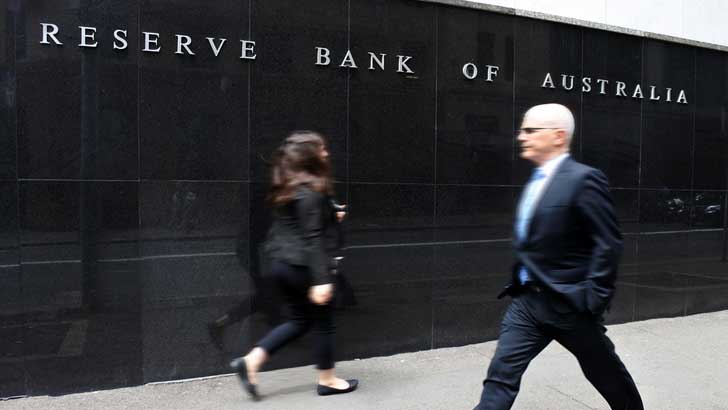
Australian homeowners hoping for a reprieve won't get it, as the Reserve Bank lifted the cash rate by 25 basis points to 3.85% at its February board meeting.
The move will push variable mortgage repayments higher within days.
In many ways the hike was foreshadowed by sticky inflation - which is still above the RBA's target band of 2%-3% - and a still-tight labour market.
Markets had leaned this way ahead of the decision, but the path from here hinges on whether price pressures finally cool.
Why did the RBA hike rates?
Markets only really priced a move late in the piece.
Through early January most expected a fourth straight hold, even after the Commonwealth Bank, Australia's largest lender, switched to call a hike.
The turning point came on January 22 when unemployment fell faster than expected to 4.1%. That sounds positive, but in economic terms a tighter jobs market can lift wages and risk reigniting inflation.
The RBA Rate Tracker - a quick read on how likely traders think a hike is - moved from roughly 25% to about 60% on the day.
A week later, the data showed prices rose 3.8% over the year to December, up from 3.4%.
That re-acceleration reinforced the idea that inflation, once again, remained sticky, pushing hike odds to 72% before the decision.
Economists were split. Finder's RBA Cash Rate Survey was essentially 50/50 - 51% for a hike, 49% for a hold.
Those arguing for a pause pointed to "trimmed mean" inflation at 3.3%, a core measure that strips out volatile items and sits closer to the RBA's 2-3% target band.
Others noted the stronger Australian dollar, which can help tame inflation by making imports cheaper.
In the end, it wasn't enough to sway the RBA Board, a decision mortgage holders will feel in their repayments.
What will higher rates mean for my mortgage?
Higher rates mean higher monthly repayments, and pressure is already building.
Graham Cooke, head of consumer research at Finder, says mortgage stress had begun to ease but will "rise with a vengeance" as repayments jump.
"If inflation persists, expect more of last year's mortgage stress relief to be wiped away," he says.
That squeeze is showing up in household budgets. Compare the Market's January polling found a quarter of Australians (25.17%) named mortgage or rent as their biggest money pressure over the past 12 months.
There is a way to fight back. The Finance Brokers Association of Australia says a little homework can stop you paying over the odds even if the RBA lifts today.
FBAA managing director Peter White AM says many borrowers don't know whether their rate is competitive.
"Lenders often incentivise new business by offering lower rates to new customers than they provide to existing customers," he says.
"It's their trick to make more money, but you don't have to be a victim of what we term 'lender loyalty tax'."
Three steps for homeowners to reduce mortgage stress
The FBAA's Peter White outlined three steps for homeowners to ensure they are paying the lowest repayments on offer.
1. Benchmark your rate
Speak to a mortgage broker to compare your current rate with what's on offer across lenders.
"There's no charge for this, and a broker has access to lender options not available to the public direct, including non-bank lenders," says White.
2. Ask your lender to match it
If there's a better rate out there, call your lender and request a reduction on your existing loan.
"Be warned: They won't call you; you have to make the approach."
3. Refinance if they won't move
Go back to the broker and switch to a lower-rate lender that fits your needs.
"Unlike banks who act in the best interests of their shareholders, mortgage brokers are legally obligated to act in the customer's best interests."
Will there be another hike?
In the end, it all hinges on inflation.
"How inflation evolves across the start of 2026 will be the driver for where interest rates go from here," says Angus Moore, REA Group senior economist.
"At the moment, another hike is expected by mid-to-late 2026, but whether that happens will be dictated by how persistent inflation is."
On housing, Moore says prices should keep edging higher this year, though for non-sellers the benefit is on paper rather than in the bank.
"The unemployment rate remains very low, and population growth is solid amid relatively constrained new supply," he says.
"However, higher rates this year will slow price growth down compared to the pace recorded last year."
There's now a six-week pause before the RBA reconvenes in March.
Eyes will turn to Labour Force data on February 18 and the monthly inflation data on February 25, which will set the pace for the next decision.
Get stories like this in our newsletters.