Which car brands offer Australia's longest warranties?




Australia is widely considered the most competitive new vehicle sales market on the planet, with more than 70 brands battling for just over a million annual sales.
That is a pie that needs to be cut up in a lot of different slices.
And there are more car brands about to join the party, with another dozen or so brands from China expected to hit our shores within the next 12-18 months.
Why are car warranties getting longer in Australia?
Existing and established brands are trying to entice and retain their customers, and the ownership promise is something that often can't be matched by newer arrivals.
If a car brand has had a presence in your area for decades, especially in regional and rural areas, there's a good chance you know about the quality of work, the people there and the reputation of the brand itself.
But with so many new brands, it can be a potentially risky move to choose a vehicle from a marque that hasn't settled into the market - and at the same time, it can be very lucrative, as many newer car brands are offering extensive warranty plans to win market share.
What does a new car warranty actually cover?
A new car warranty covers the vehicle itself against defects and major faults.
There are sub clauses in warranty paperwork that cover components like the 12-volt battery, wiper blades, tyres, brakes, wear-and-tear items, and in some cases even the multimedia screens, suspension systems and more.
Which car brand has the longest warranty in Australia?
This is a hard-fought claim to fame in the new car game.
Previously, MG Motor Australia was the best in the business, with an unprecedented 10-year/250,000km warranty for private customers. But after introducing the warranty with much fanfare a few years ago, the brand later switched it to be a conditional plan - meaning you only get that level of cover if you service with them.
It was a huge move in the marketplace, and even included warranty cover for battery packs in hybrid (HEV), plug-in hybrid (PHEV) and electric vehicle (EV) models. Now, you'll have to read the fine print to see what's covered and for how long.
Even so, if you don't service with MG you still get a seven year/unlimited kilometre warranty plan, which is among the best. Unless you're a commercial, business or fleet buyer, and then the warranty plan is different again (seven years/160,000km).
Read the fine print is a common refrain when it comes to looking at any new-car warranty paperwork, and there are others out there with strong warranty statements, so long as you service with the brand's network of maintenance workshops.
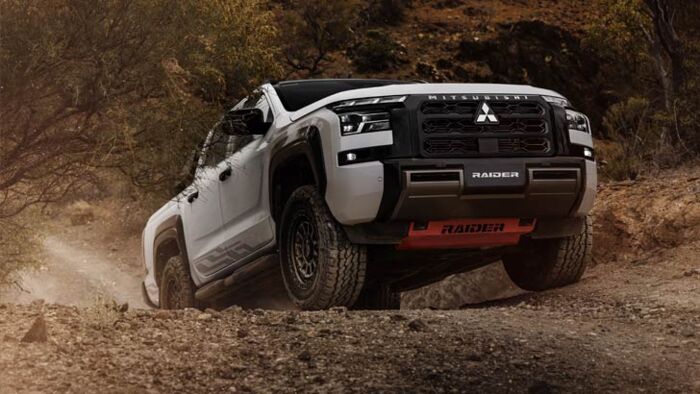
Mitsubishi offers a conditional 10-year/200,000km plan - but if you don't service with the brand, you get five years/100,000km of cover. If you do decide to service with Mitsubishi, though, you have access to a capped-price servicing plan for the duration (although it is on the pricey side, and essentially subsidises the extended warranty cover), and they throw in top-up roadside assist for a maximum of 10 years, too.
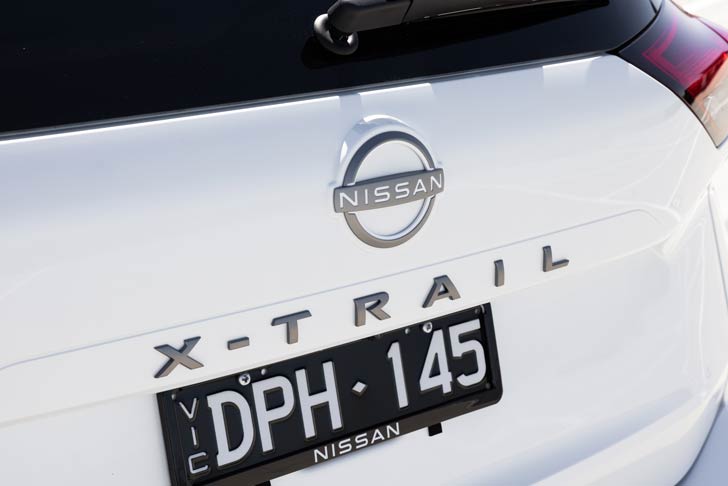
Nissan Australia has a huge 10-year/300,000km warranty program on offer too, but again, it requires owners to have their car serviced at the brand's network of servicing centres if they want that level of warranty. Otherwise, the duration is five years and unlimited kilometres.
There's a table below of the lengthiest warranty plans out there, but some of the newcomers that are hitting harder than most include Omoda Jaecoo from China, with a monster eight-year/unlimited kilometre plan, without any stipulations on inhouse servicing requirements.
GAC Australia - another Chinese player that has just reached our shores - has a mixed warranty program - seven years/unlimited kilometres for its petrol-powered models, and eight years/unlimited kilometres warranty for EVs. Those electric versions also have industry-leading eight year/200,000km battery warranties.
Many other challenger brands offer a seven-year warranty cover, including KGM (formerly Ssangyong), GWM (including Haval, Tank, Ora brands) and LDV (up to 200,000km for non-EV models) all part of the mix.
The first brand in Australia to offer a seven-year warranty was Kia, which maintains that level of cover with unlimited-kilometre cover for private owners.
And there's still only one European brand with a seven-year warranty - Skoda.
But if you're well-heeled enough to be in the market for a Ferrari, you can purchase additional warranty cover on an annual basis, out to a maximum of 15 years.
Car brands will occasionally offer promotional warranty cover for some models that are in runout or have excess stock available. Honda gas often offered a promotional eight-year warranty and eight years of roadside assistance as part of a clearance sale for existing model-year stock.
How do EV warranties differ from petrol and hybrid cars?
Not all EV warranties are created equal. Read the warranty paperwork or ask the dealership if you aren't sure about anything regarding the high-voltage battery cover for your hybrid, plug-in hybrid or electric car.
For instance, Nissan Australia publicly states that its warranty has an incorporated "State of Health guarantee", which says that over an eight-year or 160,000km period, the lithium-ion battery pack will still maintain "9 bars out of 12", or 75% total charging capacity, as is illustrated on the car's interior display.
Tesla also states "70 per cent battery retention" warranty cover for the Model 3 and Model Y. That brand recently changed its new-car warranty to be more generous, at five years/unlimited km, whereas previously it offered a four-year/80,000km plan.
Some brands don't openly state their "state of health" guarantee in writing, so be sure to have it documented for any future issues. And despite the fact you can easily get the info at a glance on your smartphone, car brands don't showcase the "state of health" of their vehicle battery packs - Nissan is still the only brand to actually show owners how much charging capacity is remaining in the battery.
Do you have to service with the dealer to keep your warranty?
Brands want you to stay loyal to them, and they want you to service your vehicle with their network, too.
From their perspective it will ensure a level of clarity for any incidental repair work that may come up, as genuine parts will have been used by in-house repairers; private mechanics and workshops may use cheaper or second-hand parts that may affect the warranty cover.
While it's hardly going to be as thrilling a read as The Power of One, you should make sure you go through your warranty paperwork to see what is included, what is covered, what isn't covered, and whether you need to maintain your vehicle with the brand's inhouse servicing division.
Does capped-price servicing affect your car warranty?
Almost all brands have capped-price servicing plans. In essence these plans are designed to help you know what you'll have to pay for basic maintenance over a period of time.
Capped-price programs typically span from three to seven years, but some go all the way out to 14 years - or even the entire life of the vehicle!
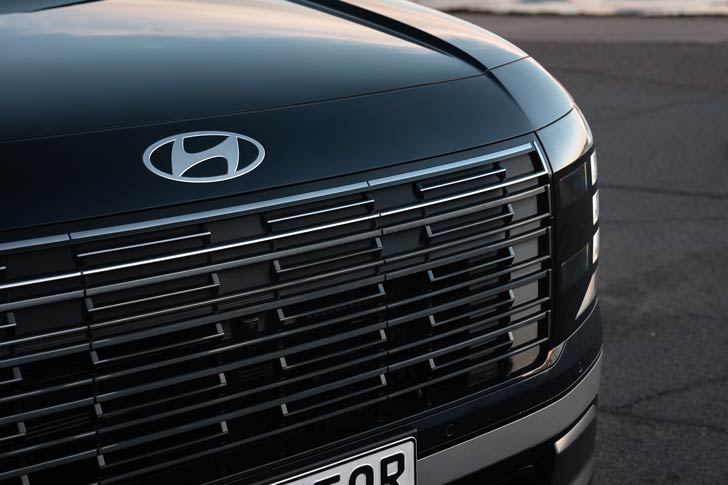
Hyundai offers Lifetime capped-price servicing, which assures that if customers keep coming back, they'll know what they need to budget for annual maintenance.
Service intervals depend on the vehicle - some are as short as six-months, others span out to two years between checkups.
There's not only the 'pay as you go' option when it comes to price-capped servicing - there's also the option from many brands to prepay your maintenance and save hundreds, or thousands, in the process. Some luxury brands have moved away from capped-price to only offer prepaid, as it helps bundle your costs into a smoother payment plan.
The benefits of prepaying are that you don't need to budget for your car's ongoing maintenance, and it also mitigates the potential for bill shock when you get a service done. You can roll the cost of ownership into your repayments, and that way you get the pleasant experience of collecting your car - which will have been serviced, washed and vacuumed - and drive off without getting your card out!
What if I sell my car?
Transferability of the warranty cover is a key selling point for many customers, because it could mean your vehicle is worth more on the secondhand market.
There is a big draw for a preowned-vehicle buyer to be able to buy a car that isn't as expensive as a new model and yet still has warranty cover included. EG: you could buy a five-year-old Kia and still be comfortable in the knowledge that there's still two years' cover left, should anything go wrong.
Prepaid service plans can also be passed on to the next owner in most instances, but make sure you read the fine print and ask at the dealership if you're not sure.
Australia's top 20 brands - and their warranty cover
Here are the different levels of cover on offer from the 20 best-selling vehicle brands in Australia (as of March 2026), including warranty length, EV component warranty duration and servicing options.
The numbers below are for private buyer considerations only - commercial buyers may have different levels of cover offered.
Also note, the warranty terms below are for 'whichever occurs first'.
Get stories like this in our newsletters.


 Reply
Reply