Card surcharges are banned so why are new fees appearing?




Just days after card surcharges were banned, some Aussies are noticing a new charge on their food orders: platform fees.
What's going on?
Ordering lunch through a QR code at a pub might no longer attract a card surcharge. But some customers are now seeing a new "platform fee" instead.
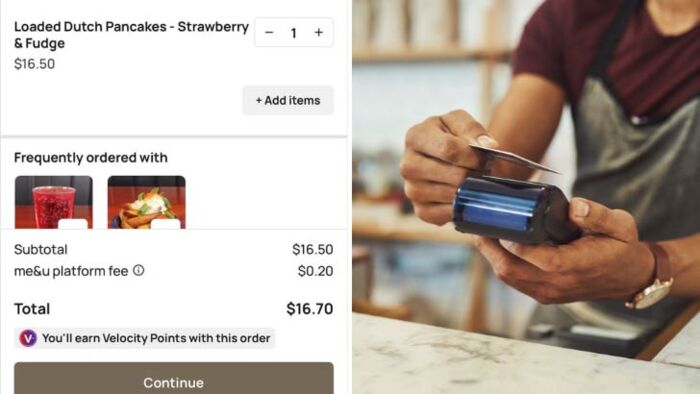
Aussies are noticing the new costs just as relief from fees on popular card payment methods started to be felt on Thursday.
Most of these new platform fees range from 20-60 cents, but Reddit users familiar with the ordering platforms say they've only been introduced recently.
It's led some consumers to argue the new fees are replacing card surcharges.
Who is charging the fees?
Among those introducing the new levies so far have been food ordering platforms me&u and Bopple.
Me&u shot to prominence in Australia during the coronavirus pandemic.
Its QR codes, which customers can use to order food and drinks from their tables, have become a common site at pubs and restaurants across the country.
Bopple is a smaller business, but similarly allows users to order from hospitality venues remotely.
Customers use credit cards, debit cards, prepaid gift cards or bank cards saved via Google or Apple pay to pay for orders.
These transactions would have previously attracted a card surcharge (1.7% in the case of me&u), but this is no longer allowed.
The card surcharge at a glance
From October 1, 2026:
- Businesses can no longer charge extra if you pay using Visa, Mastercard, American Express or EFTPOS credit, debit or prepaid cards.
- But they can still charge other fees or surcharges that aren't based on how you pay. This means weekend or public holiday surcharges, service fees or booking fees are still allowed.
Source: ACCC
So are platform fees allowed?
Some consumers have called on regulators to investigate the new fees.
The Australian Competition & Consumer Commission (ACCC) told SBS News it's aware of businesses introducing platform fees and public concerns surrounding them.
The surcharge ban only means businesses can no longer charge extra for payments made using Visa, Mastercard, American Express or EFTPOS credit, debit or prepaid cards.
Operators are still allowed to charge other fees or surcharges that aren't based on how a consumer pays for something.
This means weekend or public holiday surcharges and service and booking fees are still okay.
Businesses might still be facing their own costs to take card payments, though.
But the ACCC says they can't try and cover these by rebranding card surcharges as another fee.
Few rules restricting new fees
Until they were banned this week, the ACCC enforced rules governing card surcharges.
It said they couldn't be excessive and above what it actually costs businesses to process card payments.
As payment system expert Professor Steve Worthington from Swinburne University notes, there aren't the same guidelines for service or platform fees.
"We've lost that fallback we used to have," he says.
"[Until October 1], if you saw a charge and thought it was excessive, you could complain to the ACCC.
"Now if you're a consumer, the RBA doesn't want to know about it and the ACCC doesn't want to know about it".
The ACCC has clarified that introducing a card surcharge under another name may amount to "misleading conduct".
Businesses the ACCC accuse of such conduct can face significant action from the regulator.
What do the platforms say?
A me&u spokesperson told Money its platform fee is "compliant with new regulations" and venues can choose whether to pass it on to customers or cover it themselves.
Both me&U and Bopple say on their websites the platform fees help pay for the services they provide.
Neither company responded to questions about whether their platform fees had replaced previous card surcharges and wouldn't confirm when the new fees had been introduced.
The me&u spokesperson said on an average order of $42, their platform fee is $0.60.
A 1.7% card surcharge on the same subtotal would be $0.71.
How can you avoid these new fees?
Quite a few small businesses have been introducing cash discounts as the surcharge ban comes into effect.
"I think we're going to be seeing more use of cash than we were before," says Professor Worthington.
"It's quite legal to offer a discount to pay by cash and I think given the situation we've got at the moment, a lot of people might just take that up".
Get stories like this in our newsletters.