Why your electricity bill could rise despite July 1 price cuts




Many Australians have been told that electricity prices will fall from July 1, 2026. But for some households, power bills could actually increase thanks to sharp rises in daily supply charges. Here's why electricity bills may still go up, even when usage rates are falling.
When Sydney-based accountant James saw headlines announcing that electricity prices would be coming down from July 1, he naturally assumed that he would benefit.
It came as a surprise then when an email from his retailer, Origin Energy, revealed a different story. While his consumption charge was dropping, his supply charge was set to jump.
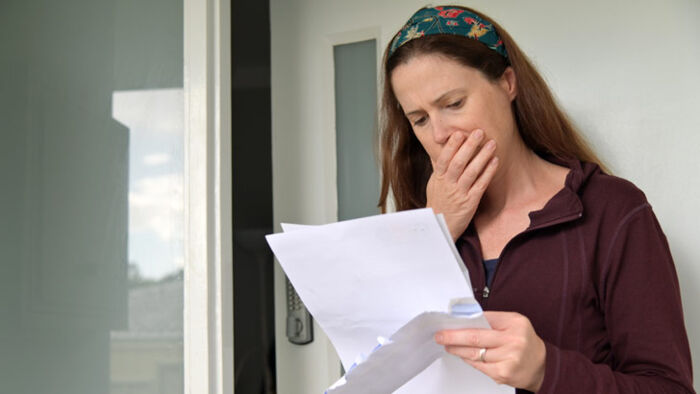
"Whilst I can understand and accept that prices generally rise each year, I was angry about a 70% increase in the daily supply charge," James says.
"The increase was stated with no explanation as to why or how it is calculated, and I felt insulted when the letter further went on to explain my bill would likely decrease.
"As a relatively low user of power, I calculated my overall bill will increase by about 25%, which Origin should already know full well."
James' experience is by no means unique. Money has seen similar price-change notices from energy retailers across different states and territories. So, what's going on?
At a glance
- Electricity prices are falling for many households from July 1.
- Most Australians are on market offers rather than default offers.
- Some retailers are increasing daily supply charges.
- Low-energy users could still face higher bills.
- Comparing energy plans may help reduce costs.
Why electricity bills may still rise in 2026
In late May, the Australian Energy Regulator (AER) revealed that most households and small businesses on the Default Market Offer (DMO) would see their electricity prices drop from July 1.
The DMO is the maximum price that retailers can charge on standing offers to residential and business customers in New South Wales, South East Queensland and South Australia.
Households on the Victorian Default Offer are also set to see their prices fall after an announcement from the Essential Services Commission.
"This year's Default Market Offer means many households on standing offers will see their energy bills decrease between 1% and 11%, and small business on standing offers will see bill relief between 6% and 21%," says Patrick Veyret, general manager of public affairs and strategy at Energy Consumers Australia.
"In Victoria, default prices will fall by an average of 5%."
But there's a catch. Only 8% of households and 15% of small businesses are currently on the DMO. The vast majority of households are signed up to market offers.
"Most customers are on market offers. While these offers are set by retailers and not the regulator, some retailers are adjusting offers towards the supply charge," Veyret explains.
"This means that, while prices in the market may come down on average, whether consumers will experience a bill reduction will depend on their plan and their energy use pattern."
How much are electricity supply charges increasing?
Like James, plenty of other customers have been expressing their frustrations about upcoming increases to their daily supply charges, the fixed fees charged for supplying energy to a home.
Together with consumption charges, the price people pay for the power they actually use, these form the bulk of electricity bill costs.
While any change in supply charges will vary by plan, retailer and distribution network, an analysis of offers from major retailers across three cities indicates that daily supply charges have increased by between 25% and 80% overnight.
The increases vary significantly between retailers and plans. The table below shows examples of how daily supply charges have changed across major electricity providers.
For their part, retailers maintain that while some customers will see their bills get more expensive, the majority will pay less thanks to lower consumption charges.
Still, customer frustration hasn't gone unnoticed, with federal energy minister Chris Bowen announcing last week that he had reached out to both the AER and the Australian Competition and Consumer Commission (ACCC) to ensure that everything is above board.
Will your electricity bill go up or down?
Whether your electricity bill rises or falls will depend on your retailer, plan and household energy usage.
Customers who use relatively little electricity may be more affected by increases in daily supply charges, while heavier users could benefit from lower consumption rates.
How to reduce your electricity bill after July 1
So, for customers facing the prospect of higher energy bills in the months to come, is there any action they can take now?
One place to start, Veyret recommends, is taking the time to compare your current deal to other options on the market.
"To ensure you are on the best deal for your circumstances, we recommend visiting a government energy comparison website such as Energy Made Easy or Victorian Energy Compare for assistance.
"The Energy Consumers Australia website also has a wealth of information aimed at helping households and small businesses save money on their power bills and better understanding their power plans."
Veyret also says that it's worth remembering that even though you might not be on a default offer, that doesn't automatically mean that you are getting a great deal.
"Research by the ACCC has found that 2.5 million consumers on market offers are paying prices at or above the default offer.
"What's more, it found that households and small businesses who've stayed with a retailer for a couple of years are often paying hundreds of dollars more per year simply for their loyalty."
Looking for more ways to lower your electricity bill? Read our guide to five ways to cut your energy bills this winter.
Get stories like this in our newsletters.