Five emotional mistakes first-home buyers should avoid





Buying a home is as much an emotional decision as a financial one. From chasing a 'forever home' to falling in love with the wrong property, these five common emotional mistakes can derail first-home buyers and owner-occupiers alike.
When you're buying a place to live in, emotions are everywhere. That's completely understandable. The goal is not to switch off your emotions, but to make sure they're not the ones driving the car while your logic is tied up in the boot.
Once you've named the emotional traps, you can start to build a proper strategy for buying a home to live in.
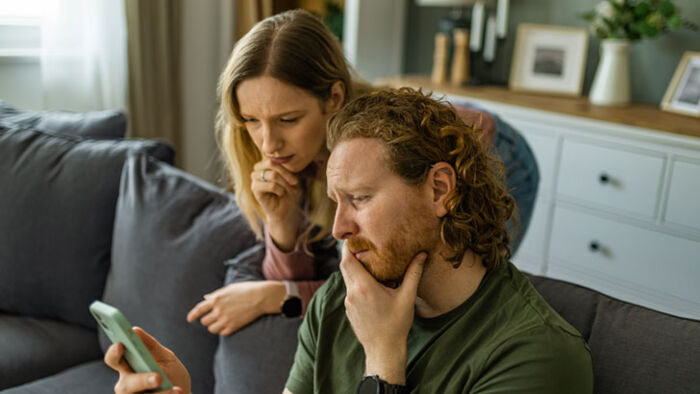
Here are five common emotional traps owner-occupiers fall into and how to avoid them.
1. The dream home myth (and the 'forever home' fantasy)
Most first-home buyers secretly want their first home to tick every box. Light, bright, renovated, close to everything, quiet street, great neighbours, north-facing backyard, walk-in pantry, subway tiles and of course 'future-proofed'.
The reality is, though, that your first home may not be perfect. You might get most of your needs met and only some of your wants. That's not failure, that's normal.
Having a detailed dream home in mind can create a few problems.
You might overstretch your budget and box yourself into stressful repayments, or delay buying for years, waiting for something 'perfect' while prices and rents keep moving.
You might talk yourself out of good, solid options because they are seven out of 10 instead of a mythical 12 out of 10.
We strongly encourage you to remove the phrase 'forever home' from your vocabulary for now. It piles on unnecessary pressure.
You don't need to lock in the perfect home for every version of your future self, you just need a home that works well for you for the next reasonable season of life.
2. Fear of making a mistake
Fear is one of the strongest emotions you'll feel when buying a home. Fear is normal, but it's not a great decision maker.
The antidote to fear is good data and clear criteria.
There's a reason the old acronym for fear is 'false evidence appearing real'. Your job is to replace false evidence with real evidence.
Fear can look like:
What if I buy in the wrong place?
Spend time in the suburb, talk to locals, walk the streets at different times of day. Look at school catchments, access to transport, flood maps and council plans.
If you turn up and next door has three abandoned cars in the front yard and a lawn that hasn't been mowed since 2014, that's useful evidence.
What if the market falls?
When you buy an owner-occupied home, your primary driver is security and lifestyle, not short-term speculation.
Property values will rise and fall in the short term, but you're not buying to hold for three years then flip. You're buying a stable base for your life.
What if there's something wrong with the property?
That's where due diligence comes in.
Building and pest inspections, strata reports, checking council records and having a good conveyancer are all about turning fear into facts.
For now, remember: don't ignore red flags and don't skip checks because you're 'too in love' with the house.
3. Comparing yourself with others
This is especially common for first-home buyers. Comparison will try to sneak into every part of your home-buying journey.
It might be friends who bought years earlier in a nicer suburb.
It might be family members who keep reminding you what they paid for their first home in 1994.
It might be social media feeds full of perfectly styled homes that don't even look lived in.
The trouble with comparison is that you don't know how much help they had from family, how much debt they're carrying behind the scenes, or what compromises they made elsewhere in their life to get there.
Your job is to build a life on your terms, not to recreate someone else's highlight reel.
If you're in a relationship, you both need to be strong on this. Decide together what's right for your values, your budget and your lifestyle, and stay in your lane.
4. Emotional pressure from family
Family can be one of the biggest emotional influences on your first-home purchase.
It may come from a good place, but can still be unhelpful.
Your parents or extended family may have bought in a completely different era, with different prices, different interest rates and very different expectations about what a 'proper home' looks like.
They might insist that you 'must' buy a three-bedroom brick home on a big block because they would never have bought an apartment or a townhouse.
Their reality is not your reality.
Today, many buyers can't afford to live close to family and buy a huge family home right off the bat.
You might need to move further out, buy a smaller place, choose a townhouse or unit, or live somewhere different from where your parents think you 'should' live.
Listen respectfully, but remember you're the one making the repayments.
Advice that ignores your actual numbers and your strategy is not advice you have to take.
5. Falling in love too fast
Falling in love with a property is incredibly common.
You walk in, the sun is streaming through the kitchen window, there's a pot of basil on the bench, someone's baked bread, the styling is immaculate and suddenly you're saying things like, 'I could see us here forever'.
That feeling isn't the enemy, but it does need boundaries.
When you lead with emotion, it becomes much easier to overlook red flags, push your budget beyond what's actually comfortable, or compromise on things that genuinely matter, all in the name of 'this feels right'.
As a general rule, Mercury and Venus don't need to align when you inspect your first property.
In fact, it's usually better if they don't.
This is an edited extract from The Quick-start Guide to Your First Property: Pick up your keys simpler, smarter and sooner by Glen James & Rachelle Kroon (Wiley, $34.95). Enter now for your chance to win one of five copies!
Get stories like this in our newsletters.