Equal Pay Day: Women don't need another budgeting lecture




Skipping takeaway coffees won't close Australia's 11.3% gender pay gap. Here's why Equal Pay Day is about more than income.
This year's Equal Pay Day falls on August 17 - 48 days after the financial year ends.
It marks the extra time women in Australia would need to work, on average, to earn what men earned in the previous financial year.
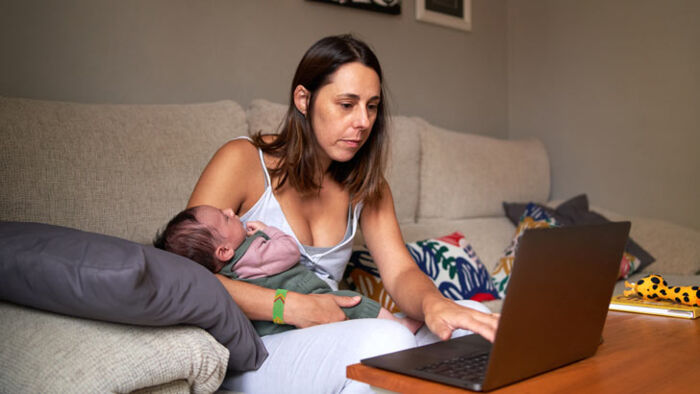
There's a familiar script for articles about women and finances. Review every transaction, cancel unused subscriptions, take lunch from home, find a spare $20 to put into super.
None of this is bad advice. But on Equal Pay Day, that advice can miss the point.
- Equal Pay Day 2026 falls on August 17
- Australia's gender pay gap is 11.3%
- Women effectively work an extra 48 days to earn what men earned in the previous financial year
The latest Australian Bureau of Statistics figures put the national gender pay gap for full-time adult ordinary time earnings at 11.3%. No subscription audit can close a gap of that size.
A gap in earnings across the economy can't be fixed by women becoming more disciplined shoppers.
But the answer isn't just telling women to keep fighting harder for equality, as if choices inside families and households have no lasting financial effect.
Time out of paid work, reduced hours and caring responsibilities affect income, experience, confidence and retirement savings.
And in many households this unpaid work still finds its way onto Mum's list.
More than a gap in earnings
Income matters. It affects what we can save, the shocks we can absorb and the choices available to us.
But financial wellbeing isn't simply a number on a payslip or super statement. It's about whether money supports our lives in practical ways, like meeting commitments, planning ahead and feeling some control over what comes next.
MLC's 2026 Real Retirement Report found financial independence and retiring comfortably are Australians' top financial goals, yet many don't feel on track.
Why not looking feels easier
If we think a statement, account or super balance may contain bad news, not opening it can feel like self-protection.
The problem hasn't gone anywhere, but for that moment we don't have to feel it. Most of us have done some version of this.
There are good reasons why some people have less room for financial admin.
Work, care, illness, grief, separation or the load of keeping everyone else's lives moving can turn one more decision into too much.
For younger women, that might mean trying to build savings while wondering if home ownership is achievable.
In midlife, it might mean balancing work, children, ageing parents and competing priorities.
Closer to retirement, it can become a confronting question: will I have enough?
Carers Australia says two-thirds of primary carers are female.
That matters because caring responsibilities don't just take time, they take attention, planning and emotional energy too.
And I say that knowing even working in this field doesn't make me immune. I also wear multiple hats, have mentally crowded weeks, and still put off the thing I know would help.
This is where confidence can be misunderstood. We often treat financial confidence as something that comes after we've paid down debt, improved our super balance or sorted out our budget.
But confidence can begin with something smaller, like writing the issue down, naming the concern, checking one number or opening one envelope rather than avoiding it.
Sometimes things aren't half as bad as they seem, but ambiguity can make everything feel more dire. And even if things are off track, you don't need to solve it all today or alone.
MLC's research also found that cost of living was the most commonly cited barrier to Australians achieving their financial aspirations. That matters because people aren't disengaged because they don't care.
Often, they're looking for a starting point that feels manageable, relevant and grounded in real life.
The aim isn't to hand women another list of jobs or pretend small savings will close a national pay gap.
They won't.
It's about moving from blame to confidence, and toward things that can make financial wellbeing feel more possible.
Five ways to feel more confident about your money
These steps aren't about fixing everything at once. They're small ways to make money feel less like a fog and make the next step feel achievable.
1. Write it down when money is on your mind
When things feel mentally crowded, structure helps.
Writing down what's in your head doesn't solve the problem, but it can make it easier to see what you're dealing with.
It might be a bill, a worry about super, a conversation you need to have or a question you can't answer yet.
Getting it onto paper can make the whole thing feel less tangled.
2. Replace uncertainty with numbers
Once you've named what's on your mind, look for the number that would make it less vague.
Check your super balance, open the credit card statement, check what's due before payday or use a calculator to estimate where you're heading.
The number won't necessarily fix it, but it turns vague worry into something practical.
3. Choose three things, not everything
A money list can get overwhelming quickly. Choose three things to tackle first and write one action beside each.
That might be making a call, finding a login, checking a balance or booking time to read something properly.
Do them in a week, or one each week across the month. The point is a plan small enough to start.
4. Tell people what you actually need
One thing I've learnt is that people don't always understand the load we're carrying, even when they care.
Saying 'I have a lot on my mind' rarely tells someone what would help.
It's often more effective to say, 'Can you take this one?' or 'Can you sit with me while I do it?'.
Being specific gives people a clear way to help, rather than leaving them guessing.
5. Outsource what you don't have to carry alone
There's no prize for doing everything yourself. If something is outside your knowledge, time or capacity, look for support.
Call your super fund, speak to an adviser, use a digital tool, ask your partner to take over a task or contact a free financial counsellor if things are difficult.
Asking for help can be part of taking control, not a sign you've lost it.
The bottom line
Equal Pay Day reminds us the system still has work to do.
While that continues, it's okay to start smaller and closer to home.
Open the thing you've been avoiding. Write down what's weighing on you. Ask for the help you need. One step won't fix the gap, but it can make the next one feel possible.
Get stories like this in our newsletters.