EV owners set to be slapped with road user charges




Electric vehicles (EVs) are known for being cheaper to run - but that could be about to change.
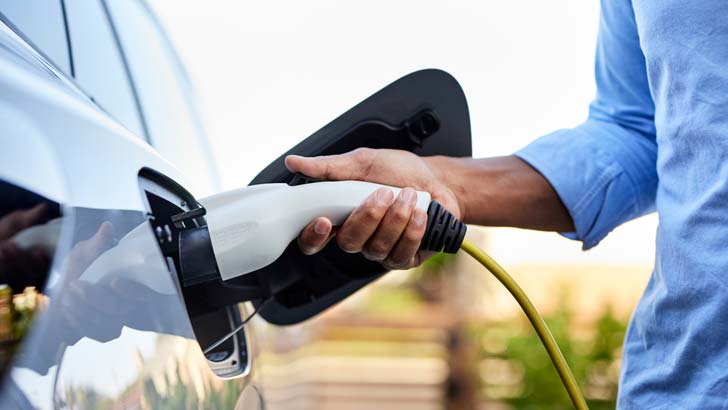
The federal government is considering implementing a tax on every kilometre driven by EV owners - possibly within just a couple of years.
Some might see it as a move to equalise running costs - conventional cars with diesel or petrol engines pay their way through the fuel excise, which is currently set at 51.6 cents per litre.
At current national averages of $1.64 per litre at the time of writing, the federal excise hits internal-combustion-engine (ICE) vehicle drivers pretty hard. The excise is apparently meant to funnel those funds back to road maintenance.
The argument, then, is that EV drivers should have to pay their way on the road, too, with a road user charge that will be set at a certain cost per kilometre driven.
With EV adoption set to increase - as new federal emissions legislation makes it more difficult for car brands to sell ICE vehicles with stepped targets for fleet emissions tightening over the next few years - proponents of the new national tax claim it will further add to the coffers to upkeep roads across the country. Worth noting, EVs are typically a lot heavier than ICE vehicles, and that indeed does mean more wear and tear on roadways.
@moneymagaus Is the honeymoon over for electric cars? The government is considering a road user charge that would tax EV owners for every kilometre they drive. Matt Campbell from @therightcar.au breaks down what you need to know. #electriccar #ev #electriccar #roads #driving ♬ original sound - moneymagaus
Currently there is no equivalent excise for electric vehicles, though there have been attempts to institute road user charges before.
The Victorian government's tax on zero- and low-emissions vehicles was deemed unconstitutional. The Supreme Court found the state-based cash-grab wasn't legal, and projected that any future road-user charge would need to be implemented on a national level.
Federal treasurer Jim Chalmers recently said following a round table with politicians and industry figureheads that there is "a lot of conceptual support" for a national EV drivers tax.
"Right around the table, people had a view that this is an idea whose time has come and so we will do that work," Chalmers told Nine. "It does, I think, encourage us down that path.
"We've got some good views, some good input. We'll work with the states and territories to try and work out the best model on the best timing."
To the end of July 2025, a total of 54,364 electric vehicles have been sold - almost equal to the same period in 2024 (54,267), despite more than a dozen additional EV options for customers to pick from.
One of the biggest current perceived benefits of EVs is the potential for extremely cheap running costs, with the potential for owners to use home solar setups to recharge at almost no cost, while maintenance costs are also typically lower.
Get stories like this in our newsletters.