The hidden costs of renting that Australians don't see coming




Rents are soaring, vacancies are scarce and home ownership feels further out of reach. But rising rents aren't the only challenge facing tenants. New rental technology platforms, rent payment apps and embedded energy networks are creating hidden costs, privacy risks and restrictions that many renters don't discover until it's too late.
It's a brutal time to be renting in Australia: prices are rising, vacancy is shrinking and the first rung on the property ladder keeps sliding out of reach.
The average national rent is about $683 a week and climbing 7% year on year. In the capitals it's closer to $779.
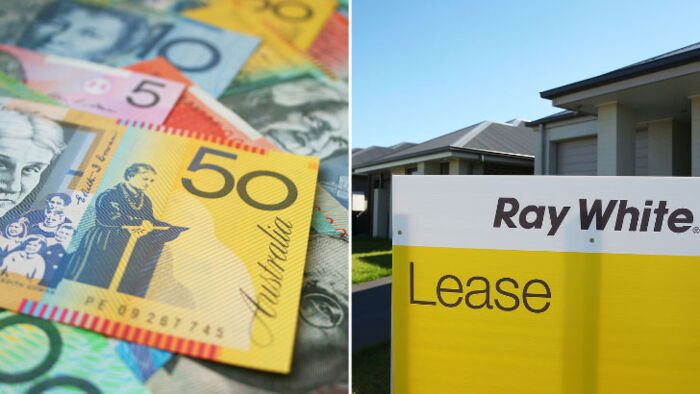
Vacancy rates sit at just 1.2%, and rent growth outpaces wages almost everywhere.
If you never buy, the penalty follows you into retirement - renters need roughly $300,000 more in super than homeowners to achieve the same living standard.
But as housing affordability worsens, new layers of technology and middlemen are reshaping the rental market - often in ways that increase risk, cost and control over tenants.
1. How rental applications can expose your personal data
In the scramble for a rental, tenants are paying with data.
A recent AHURI study found rental application portals can request around 50 separate data points, extending well beyond identity and income into lifestyle-related details gathered through long digital forms.
In NSW alone, the government estimates about 187,000 pieces of identification are collected from renters each week: passports, driver licences, bank statements, payslips and referees' details. That information is often screened against tenancy databases and so-called blacklists.
"Currently, there is no consistent standard for how this highly sensitive information is stored, used or destroyed," says NSW rental commissioner Trina Jones.
Property technology (proptech) is now embedded across the market. AHURI researchers identified 57 rental platforms operating by early 2025, including tools that risk-score tenants, algorithmically "match" applicants to properties and maintain tenancy databases that can shadow renters for years.
"Applicants may be unaware they are being vetted by proptech," says Dr Sophia Maalsen from the University of Sydney.
"How applications are sorted and scored remains opaque, and the weighting of characteristics is unknown, creating a 'black box' effect."
A February investigation by Guardian Australia added fuel to those concerns. A researcher found seven rent-tech platforms exposing personal documents via links that did not require login access.
Some links were "guessable" because they used sequential codes; others could be cached by web crawlers. In one case, opening a single lease generated an authentication cookie that unlocked broader landlord records, including rental history and maintenance files.
States are beginning to respond. NSW has introduced reforms to standardise application forms, curb excessive data collection and require disclosure when listing photos have been digitally altered.
National progress has been slower. In 2023, national cabinet backed plans to simplify rental applications and limit what can be collected, but reforms have yet to be implemented federally.
Many agencies and proptech firms are also exempt from the Privacy Act because their annual turnover falls under $3 million - even as the Office of the Australian Information Commissioner (OAIC) flags the sector as a "key priority".
How to protect your personal data when applying for a rental
Ask what information is mandatory and why.
Request deletion of your documents if your application is unsuccessful.
If your data appears compromised, lodge a complaint with your state regulator or the OAIC.
2. Why some rent payment apps charge extra fees
Data isn't the only place renters are feeling squeezed. The way rent itself is collected is also under scrutiny.
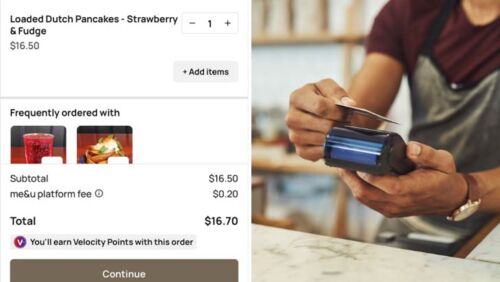
Consumer advocates say renters are increasingly being steered towards third-party payment apps, often with fees attached and limited practical alternatives.
In 2024, more than 40% of renters told CHOICE they felt pressured to use a third-party app when applying for a property. Nearly one in three say they've skipped properties altogether because they didn't trust the platforms involved.
On paper, most states require at least one fee-free way to pay rent. But in practice, renters say the free option can be deliberately inconvenient.
One widely used example is Ailo.
Renters can pay by direct debit (with a 0.25% fee) or card (1.5%), while the no-fee method requires setting up manual transfers that do not store payment details.
While that may make the paid option faster and simpler, analysis by The Times suggests renters could pay nearly $500 a year in fees.
Some platforms promote reward points as a sweetener, but the value can be negligible.
In 2021, the Tenants' Union of NSW examined one rewards system and found a year's worth of points could be worth as little as $3.50 to $7 in vouchers or $8.62 if donated to charity. As Barefoot Investor Scott Pape quipped at the time, it could take 69 years for renters to earn enough for a razor.
There are other risks. In Western Australia, Consumer Protection has warned that some third-party rent platforms route payments through intermediaries or overseas banks before the money reaches an agent's trust account.
Under state law, licensed real estate agents must hold rent in protected trust accounts. Third-party platforms are not licensees and are not required to use trust accounts.
If funds go missing before they reach a licensed agent's account, tenants may not be covered by the state's fidelity fund - the last-resort compensation scheme that reimburses losses from fraud or theft involving money held in an agent's trust account.
"Not only have you lost serious protections," the Consumer Protection Commissioner has warned, "but these third-party payment platform providers are generally overseas and if something goes wrong with them, your money is gone."
In NSW, landlords are already required to offer at least one fee-free way to pay rent. Similar protections exist in other states and territories.
The NSW government has now signalled it will strengthen those rules to ensure fee-free options are genuinely convenient, rather than technically available but impractical.
Draft legislation has yet to be released. But if the reforms proceed as flagged, renters could see a return to simpler methods such as direct bank transfers, reducing reliance on app-based payment systems.
How to avoid unnecessary rent payment fees
Ask in writing what the fee-free payment option is before signing a lease. Consumer Protection advises tenants to read the agreement carefully and clarify how rent must be paid.
Confirm where your money lands: directly into a licensed agent's trust account or via a third-party processor. If platform or card fees are being passed on to you, check with your state regulator whether that complies with local tenancy laws.
3. Why some renters can't choose their electricity provider
There's another cost many renters don't see until they move in: embedded energy networks.
In many apartment blocks and residential land lease communities, electricity is supplied through a private network. Instead of choosing their own retailer, residents buy power from the site operator, who purchases energy in bulk and on-sells it.
These operators are "exempt sellers", meaning they don't face the same regulatory obligations as licensed energy retailers.
In effect, residents can be locked into a single supplier with limited ability to shop around.
"For too long, people living in apartments, residential land lease communities and other properties with embedded networks have faced challenges that others don't, including a lack of competitive choice and at times, unclear pricing," says NSW fair trading minister Anoulack Chanthivong.
The state's Embedded Network Action Plan aims to align prices more closely with market offers and improve access to dispute resolution and rebates.
But reforms are still unfolding, and protections vary by state.
How to check if a rental is on an embedded electricity network
Before signing a lease, ask whether the property is on an embedded network and how utilities are billed. Details can also be found in strata reports.
Factor energy costs into your rental comparison. If you believe pricing is unfair or unclear, contact your state energy ombudsman or consumer regulator to understand your options.
Get stories like this in our newsletters.