How to avoid a home insurance headache this summer




Summer isn't just about beach days and backyard barbecues - it's also peak season for home insurance claims.
"During this season we see a 60% increase in wild weather-related claims compared to other seasons," says Scott Lindsay, executive manager at NRMA Insurance.
"We also see a 40% spike in home theft claims during the Christmas and New Year period, with 10% of all theft claims for the year being reported in January last year.
"All these factors make this period extremely high-risk, which is why we are urging all Australians to prioritise preparing their homes for this upcoming season."
Extreme weather events and break-ins may be a fact of life, but as Lindsay suggests, there are steps homeowners may want to take - especially if they're planning on going away.
Preparing for extreme weather events
The unfortunate reality is that even though summer has barely begun, Australia is already feeling the impacts of natural disasters, with dozens of homes lost to bushfires in New South Wales and Tasmania.
It's a stark reminder of the importance of keeping up to date with information and warnings related to disasters and weather events.
"The risk of storms, cyclones, flooding, heatwaves and bushfires is ramping up across the country," says Sophie Ryan, comparison expert at iSelect.
"So, keep an eye on any warnings from local authorities and the weather bureau and act as soon as possible."
When it comes to practical action to take around the house, Lindsay says that there's no better time than the present to start preparing.
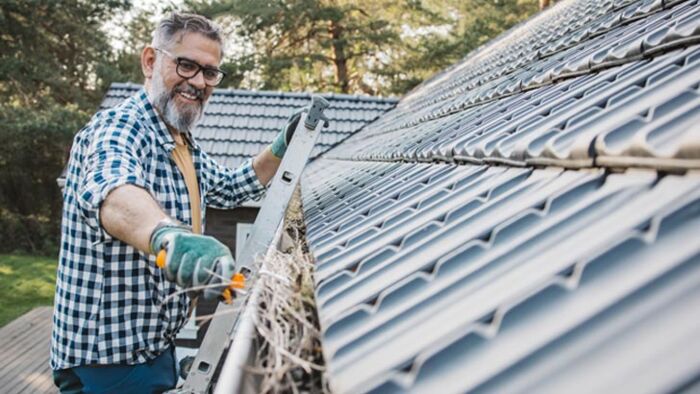
"To get ready for extreme weather this summer, small actions like clearing gutters, securing loose outdoor items, and trimming overhanging branches can make a big difference in protecting your home from severe storms or bushfires."
For more detailed advice related to preparing for natural disasters in different parts of the country, check out the National Emergency Management Agency's preparation hub.
Securing your home before you go away
Beyond preparing for weather events and natural disasters, homeowners may also want to consider how they ready their homes for any holidays they're planning to take.
Nearly one in two Australians (46%) are planning to be away from home for two or more consecutive days over the holiday period, according to NRMA Insurance.
That, of course, comes with a risk - particularly for those planning to leave their homes empty while going on longer overseas holidays.
"Many Australians will be taking some well-deserved time away this summer, but unfortunately this is also when homes are most vulnerable, both to weather damage and to theft," Lindsay says.
"Some sensible precautions include turning off your water at the mains to prevent leaks and burst water pipes, lock and secure all windows and doors, close any blinds and ask a neighbour to collect your mail or check in on your property.
"Overflowing mailboxes, overgrown lawns and empty driveways are easy giveaways that a home is unoccupied and can attract unwanted attention."
Why it's worth reviewing your insurance
After checking off your to-do list around the house, Ryan says that it's worth dusting off your insurance policy, or even taking out cover, to ensure you're adequately protected. Here are her four tips:
- Get cover early: "Buy or review cover before a severe weather event is on the radar. Insurers can put temporary embargoes in place when risks spike, which can delay new cover and leave you out of pocket."
- Avoid underinsurance: "If you have a home or content insurance policy, check it's up to date, especially the sum insured for rebuild costs. And make sure you've added any expensive items such as new TVs or computers you may have purchased."
- Know what your policy covers: "Storm, flood and fire are often 'defined events', but details and exclusions vary between providers, so read the PDS and check for any gaps like optional flood cover."
- Reach out about extended travel: "Tell your insurer if your place will be empty for an extended period of time. Many policies treat a home as 'unoccupied' after around 60 days, which can change your cover or excess."
Looking for a new home and contents plan? Find out which insurer took out top spot in the Best-Value Home and Contents Insurance category in Money's 2026 Best of the Best Awards.
Get stories like this in our newsletters.