You're probably paying for things your library gives away




Most Australians are paying for things they could be getting for free.
From audiobooks and streaming-style platforms to tools, equipment and even workspaces, modern libraries are saving some households up to $6000 a year.
In a cost-of-living crunch, they are replacing subscriptions, one-off purchases and even co-working costs, without people realising.
And most people have no idea just how much they're missing.
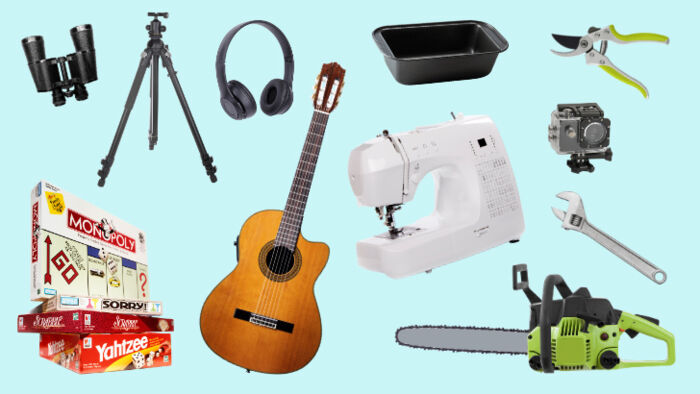
Some Australian libraries now lend everything from cake tins, bread machines and sewing machines to robotics kits, musical instruments and power tools, items that are expensive to buy but often used only once or twice.
"Most people think of libraries as a convenience rather than a financial tool," says Antony Selby, senior financial adviser at Financial Spectrum.
"They offer zero-cost access to things that would otherwise require purchase, subscription or rental."
Some libraries even lend GoPro cameras, metal detectors and 3D printers, items that can cost hundreds to buy. It's one of the few services you've already paid for, but probably aren't using.
Things you didn't know your library lends for free
- Power tools and gardening equipment
- Musical instruments
- Cake tins and kitchen appliances
- Robotics kits and tech equipment
- Toys, games and board games
- Camping and hobby gear
- Energy-saving kits

The easiest $1000 saving most people miss
For avid readers, the numbers stack up quickly.
Paperbacks typically cost between $25 and $35 each.
Borrowing just two to four books a month instead of buying them could save a regular reader around $1000 a year, according to estimates from the Australian Library and Information Association (ALIA).
Audiobooks and e-books deliver similar savings.
Paid audiobook subscriptions generally cost between $9 and $17 a month for a single title, with additional books costing extra.
Borrowing two to four e-books or audiobooks a month through free apps such as Libby or BorrowBox can save you up to $720 a year.
The apps are straightforward to use.
Library members download the app, log in with their library card, and borrow digital books or audiobooks the same way they would borrow a physical title.
Treat your library card like any other financial tool, advises Selby.
"The practical framework looks something like this: before buying a book, check the library. Before paying for Netflix, Disney Plus or Amazon Prime subscriptions, or buying a tool for a one-time project, check the library.
"It soon becomes a first-stop habit rather than an afterthought," he says.
Why libraries are replacing subscriptions
Libraries still do books - and much more besides.
Today's libraries offer everything from children's programs and author talks to English-language classes, digital literacy workshops, meeting rooms and free Wi-Fi.
Many have also become popular workspaces for freelancers and remote workers.
"Libraries [today] are multi-purpose community hubs supporting learning, work, creativity and digital access," says Cathie Warburton, CEO of the Australian Library and Information Association (ALIA).
Sydney libraries now lend musical instruments, retro gaming consoles, robotics kits and board games, while some branches also offer laser cutters, 3D printers and music rooms.
"We've seen a strong shift toward digital collections including e-books, audiobooks and streaming platforms that are available anywhere and anytime," says Sydney Lord Mayor Clover Moore.
The 'library of things' most people don't know about
One of the biggest - and least known - ways libraries can save you money is through borrowing items you'll probably only use once or twice.
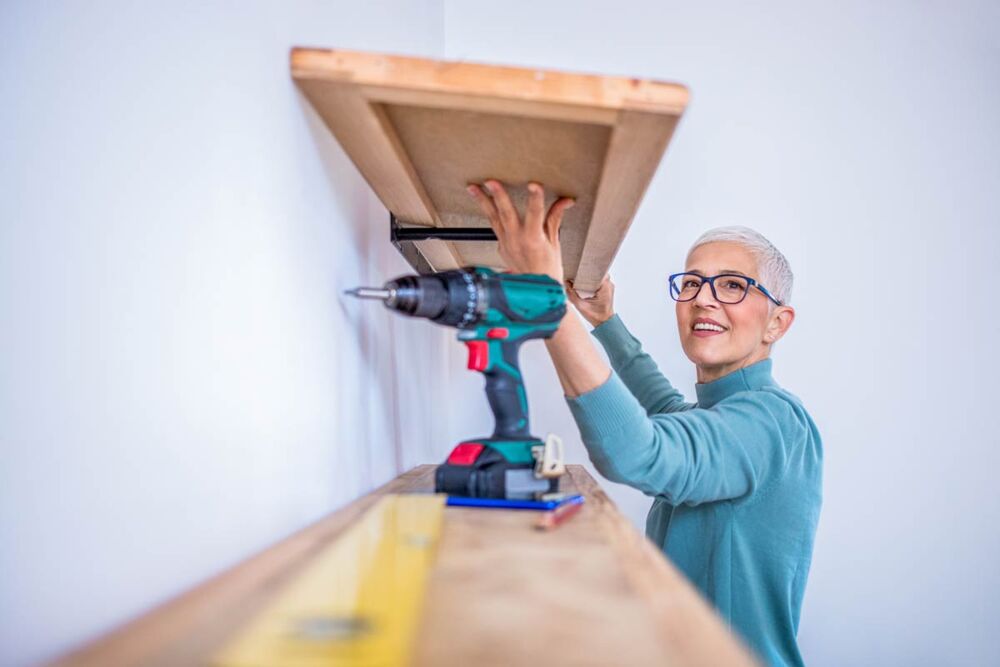
Across Australia, many libraries now run 'libraries of things', where members can borrow practical items such as cake tins, tools and camping equipment.
The appeal is obvious: many of these items are expensive to buy but used infrequently.
South Australia's City of Charles Sturt libraries lend everything from GoPro camera kits and metal detectors to vinyl records and infrared thermometers.
"A GoPro camera kit can cost more than $600 to buy, while a metal detector is typically $180 or more," says Angela Evans, Mayor of the City of Charles Sturt.
"Even practical tools such as infrared thermometers, which can cost around $460, are available to borrow for free."
Evans says regular library users can realistically save between $1000 and $3000 a year through free books, digital subscriptions, Wi-Fi, workspaces and borrowed equipment.
"Replacing newspaper subscriptions and buying fewer books alone can save hundreds annually," she says.
For renters and apartment dwellers, borrowing also helps reduce clutter and storage pressure.
Borrow instead of buying, tools add up fast
Standalone tool libraries are also growing in popularity as households look for cheaper, more sustainable ways to complete home projects.
The Brunswick Tool Library in Melbourne allows members to borrow up to 10 tools at a time, including ladders, mulchers, drills, vacuums and woodworking equipment.
Annual membership costs $100 and tools can be reserved online and collected several times a week.
"A typical DIY member can save hundreds of dollars a year.
To buy a basic set of garden tools at Bunnings - spade, fork, rake and hoe in mid-range brands - you're looking at around $130.
Add a cordless drill kit, circular saw and orbital sander, and that's another $360. You're already at nearly $500 before you've picked up a single specialist tool.
"Borrow all of that through the tool library and your $100 membership pays for itself many times over - often on the very first loan," says Zack Morris, president of the Brunswick Tool Library.
Tool libraries like this also run workshops teaching practical skills such as basic repairs, bike maintenance and tool use.
Repair instead of replace
Repair cafés are another fast-growing movement helping households save money.
Generally run by volunteers through councils, libraries or community organisations, they help people repair broken clothing, appliances, electronics and household items rather than replacing them.
The Bundoora Repair Café repairs everything from textiles and bikes to small appliances and lamps, helping residents fix items that might otherwise end up in landfill.
"Many items we throw away still have plenty of usable life left in them," says Taylor.
The City of Boroondara runs annual Repair and Reuse Community Days, where residents can bring damaged items such as clothing, bicycles and gardening tools to be repaired or restored.
Repairing instead of replacing also has broader environmental benefits.
"Repairing a toaster rather than replacing it can save money immediately while reducing demand for new products and the resources needed to make them," says Taylor.
"It's a simple example of the circular economy in action."
How much you could actually save
The answer depends on how often - and how extensively - you use library services.
But Selby estimates:
- Borrowing books instead of buying them: around $300 to $600 a year
- Adding audiobooks via Libby or OverDrive: another $120 to $240 a year
- Replacing paid kids' activities with free library programs: $200 to $800 a year
- Using library workspaces one to two days a week instead of a co-working space: $1500 to $5000 annually
"A reasonably active household - books, e-books, occasional tool loans and kids' programs - could realistically save $800 to $2000 a year.
"A freelancer who also uses workspace could push that to $3000 to $6000 per year," he says.
For those looking to trim costs without sacrificing lifestyle, libraries may be one of the smartest free resources available.
Because while many savings strategies involve cutting back, today's library offers something different: access to more, while spending less.
Get stories like this in our newsletters.
 Reply
Reply