Billionaire boom sparks Oxfam call for wealth tax




The average Australian billionaire's wealth grew by almost $600,000 a day in the past year, or over $10.5 billion collectively, Oxfam research found.
Globally, billionaire wealth jumped by over 16% in 2025, three times faster than the past five-year average, to $27.7 trillion - its highest level in history.
Since 2020, Australia has recorded eight new billionaires to reach 48. Oxfam said those individuals hold more wealth than the bottom 40% of the population combined.
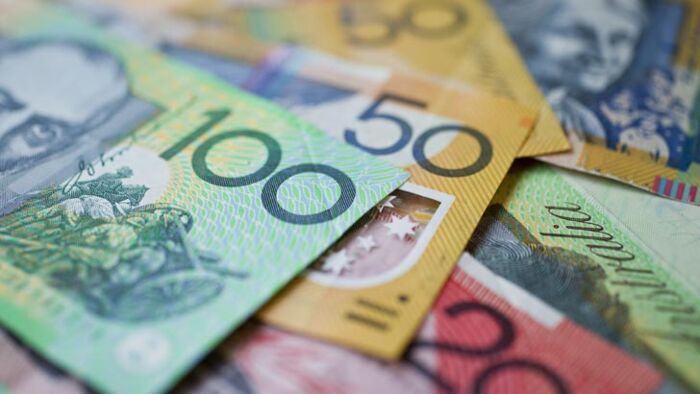
Oxfam has called on the government to tax the super-rich and remove tax breaks that allow them to amass extreme wealth.
Oxfam has urged the government to introduce a net wealth tax on the richest 0.5% of households, with rates increasing in accordance with increased wealth.
Oxfam said a 5% wealth tax on Australia's billionaires last year could have raised $17.4 billion, which it said could have helped deliver cheap childcare for all families, extend energy bill relief for another two years and increase the humanitarian budget almost seven times over.
The anti-poverty organisation also called for ending the capital gains tax discount for individuals and trusts and instead taxing the income from capital gains on investments like we income from work.
It also asked the government to phase out negative gearing to close loopholes that allow wealthy individuals to pay less tax.
Oxfam chief executive Jennifer Tierney says the surge in billionaire wealth exposes a system that is failing people at home and abroad.
"While millions of Australians are cutting back on essentials, struggling with soaring rents and mortgages, and watching global crises like conflict in Yemen, Sudan and Syria receive dwindling humanitarian support; Australia's billionaires are accumulating extraordinary wealth at extraordinary speed. The gap between those doing it toughest and those benefiting most is stark, and well evidenced," she says.
The report analysed how the super-rich are securing political power which it said can shape economies and societies, which can be to the detriment of the rights and freedoms of people around the world.
Oxfam estimated billionaires are 4000 times more likely to hold political office than ordinary citizens.
"When one billionaire can spend hundreds of millions of dollars to shape political conversations, it shows how extreme wealth can translate directly into political power - undermining a fair and healthy democracy," Tierney says.
Oxfam said in Australia, over 3.7 million people live in poverty, including 757,000 children under 15 years.
"We have a Prime Minister who talks about creating a kinder and fairer Australia," Tierney says.
"The government has the tools to act. Ensuring the richest Australians pay their fair share of tax would reduce inequality, curb the growth of extreme wealth, and generate much-needed revenue for essential services at a time when people are doing it tough at home and humanitarian needs are soaring globally."
Get stories like this in our newsletters.
 Reply
Reply