What a home renovation really costs in 2025




It's no secret the pressure is on for renovators, with rising costs, longer timelines and tighter approvals making it harder than ever to stick to budget.
"Fast forward to 2025 and renovating your home can feel more like planning a small military operation - complete with budget blowouts, unpredictable delays and enough stress to make you wonder if that avocado bathroom was really that bad," says Cherie Barber, founder of Renovating For Profit.
But if you've got your heart set on an upgrade, how much should you actually expect to pay - and where can you save without cutting corners? We break it down, room by room.

What you'll pay
Renovation costs have essentially doubled since pre-COVID, with projects that once cost $100,000 now often coming in closer to $200,000, says Barber.
A quality renovation in 2025 typically sits around $3000 to $5000 per square metre, depending on finish and complexity, says Erin Cayless co-founder and operations director at Three Birds Renovations.
Lean luxe or go custom, and you'll easily hit $7000 plus per square metre, she says. At the other end, smart and simple updates can come in at $2000 to $3000 per sqm - if you're working with a high-volume builder and keeping the layout straightforward.
Why renovating is so expensive now
"Short answer? A perfect storm of global chaos, rising material costs, tradie shortages and now, some cheeky little import tariffs," says Barber.
In places like Sydney's Inner West, master builder Darren Long, managing director or Sure Space, says the challenges go beyond materials and labour: "The complexities of the approval process - especially with heritage regulations and new regulations like flood zoning - and the ongoing challenge of securing skilled tradespeople" are now major cost drivers too.
Kitchens: The priciest room in the house
Kitchens are typically the most expensive space to renovate because they involve the highest concentration of trades - from plumbers and electricians to cabinetmakers, tilers and appliance installers - all working in a single, highly functional zone.
If you're redoing a kitchen in 2025, expect to pay around:
- $10,000-$15,000 for a flat-pack setup
- $25,000-$35,000 for a mid-range custom kitchen
- $50,000+ if you're splurging on natural stone, high-end appliances and bespoke cabinetry
Barber puts top-end kitchen renos even higher - anywhere from $75,000 to $120,000, especially where structural changes are involved.
Bathrooms: Luxe touches mean big bucks
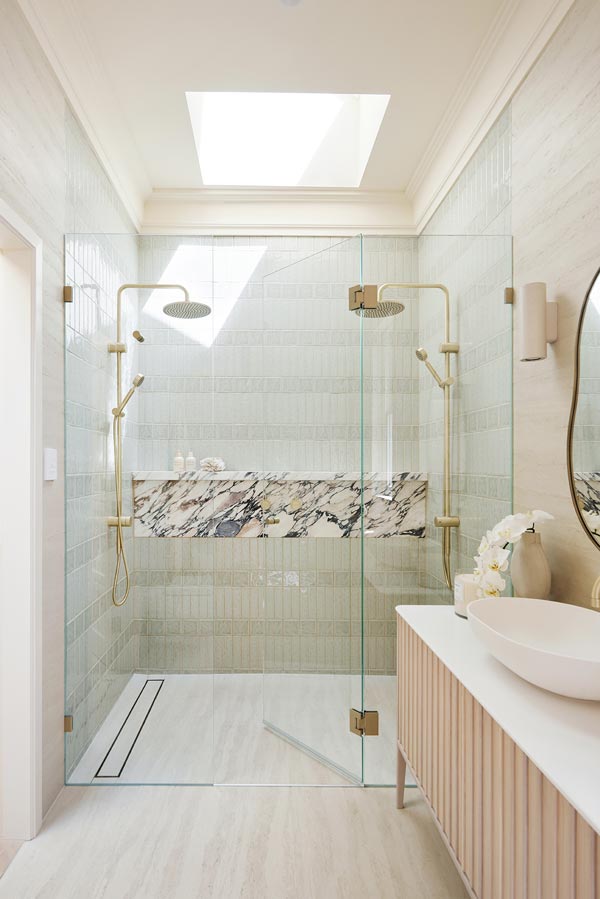
A family bathroom revamp will set you back between $15,000 and $30,000, according to the team at Three Birds Renovations - and more if you're after luxuries like underfloor heating or custom vanities.
Barber's ballpark for a full bathroom reno is $20,000 to $35,000, climbing past $40,000 with structural changes such as moving walls or windows, or premium finishes such as designer tapware or imported tiles.
Living rooms and bedrooms: Easier on the wallet
Living areas and bedrooms are among the most budget-friendly spaces to redo - especially if you're not making structural changes. Expect to spend around $4000 to $6000 per room for a straightforward update, such as new paint, flooring and lighting, according to Three Birds Renovations.
Builder Darren Long agrees that cosmetic makeovers in these zones are far simpler and cheaper than wet areas.
"If you can renovate within the existing structure of your home, you'll generally save on significant structural work," he says.
But costs quickly rise when you start adding custom joinery, shifting walls or installing new windows. The more trades you involve, the higher the budget climbs - so keep it light and efficient if you're watching costs.
Outdoor spaces: The budget wildcard
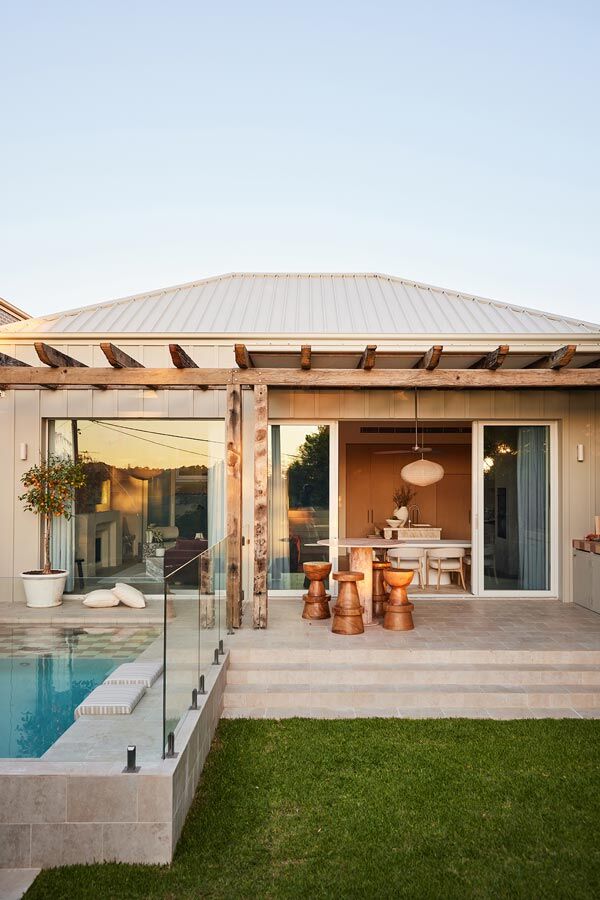
Outdoor areas can offer great bang for buck - but they're also one of the easiest places for budgets to spiral.
A modest revamp with decking, a built-in barbecue and some basic landscaping might set you back $8000 to $20,000, according to Three Birds Renovations. But start adding in lighting, stone, brickwork or major landscaping and the numbers climb fast.
"Renovating any external area of your home tends to be pricey," says Barber. "Expect to pay between $25,000 to $50,000+, depending on the size of your space, the topography of your land and whether any excavation or fill is required."
She adds that costs go up further if the area doesn't have water, electrical or gas lines in place. Even a basic timber deck is now around $250 to $400 per square metre, depending on the material used, she says.
Where people blow the budget
Overspending is most common in the high-function areas of the home. "Kitchens and bathrooms are where people get carried away with the bells and whistles," says Barber. From luxury tapware and full-height tiling to over-customised cabinetry, costs can quickly balloon - especially when you lose sight of what's essential.
Darren Long says a major budget killer is changing your mind mid-build. "Each change means undoing work, redoing it, reordering materials and paying for additional labour," he says. Long's advice? Lock in your decisions early and communicate clearly with your builder to avoid surprise costs.
What not to skimp on
While saving money is important, some corners just aren't worth cutting.
"Always hire qualified professionals," says Barber. "Don't just go with the cheapest quote - make sure the tradie has provided a detailed scope of what is and isn't included."
Long agrees, particularly when it comes to complex or regulated work.
"You want licensed, reliable people doing the big stuff like electrical and plumbing," he says. "Poor workmanship here can cost you big time down the track." He also warns against DIYing layout design without professional input: "A poorly planned room is a mistake you'll live with every day."
Top tips to keep costs in check
- Stick with your existing layout. Moving walls or plumbing can mean engineering reports, council approval and major costs.
- Use flat-pack joinery in laundries or pantries. Upgrade it with custom handles or a luxe benchtop and it will look bespoke.
- Plan properly - and then stick to the plan. Every change mid-build adds dollars, delays and headaches.
- Do cosmetic tasks yourself. "Painting, demolition and ripping up old carpet are all DIY-friendly and save on labour," says Barber.
- Mix high and low finishes. Splurge on one standout element, then balance with budget-friendly materials.
- Shop local. Australian-made means faster lead times, fewer shipping dramas and you'll avoid US tariffs on items such as tapware and tiles.
- Get at least three quotes. "Without three quotes, you have no way to determine the real price of a job," says Barber.
- Negotiate fixed-price contracts. Avoid hourly rates if you can - it protects you from slow tradies or unforeseen delays.
Get stories like this in our newsletters.