Australia Post to resume sending parcels to the US




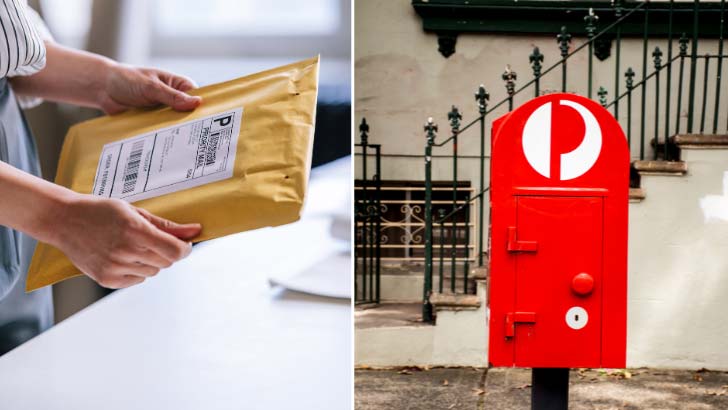
Australia Post will restart parcel deliveries to the United States and its territories by September 25, ending a temporary but painful suspension caused by sudden changes to US tariff rules.
The move follows an August decision by the US Government to scrap the de minimis import exemption for parcels under US$800 (about A$1300).
Previously, low-value goods entered tariff-free, but they now face duties that in some cases exceed US$80 per shipment.
The change blindsided exporters worldwide because the exemption wasn't due to expire until 2027.
It had already been removed for China earlier in 2025 hitting retailers like Shein and Temu, but last month the deadline was abruptly brought forward for all other countries.
Australia Post finds a workaround
Australia Post says it has been working "around the clock" to adapt its systems.
It has partnered with Zonos, one of the few authorised US Customs and Border Protection providers, to allow Business Contract and MyPost Business customers to meet the new rules.
Gary Starr, Australia Post's executive general manager for parcels, post and eCommerce services, says more than 190 postal operators worldwide were forced into similar suspensions.
"The real impact has been on our customers who export their goods to the US," Starr says.
"Our priority has always been to get a solution up and running as soon as possible, while keeping our customers updated and informed. If we can lift the suspension earlier than 25 September, we absolutely will."
While commercial export services remained open for large shippers, smaller businesses were left without an affordable option.
Small businesses on the frontline
Sydney clothing designers Heidi Cummins and Daisy Bell are among those most affected.
Together they built their bohemian label Ulu Lounge on Instagram and Facebook, where American shoppers now make up 70% of their customers.
Until late August, they could ship orders for about $30 a parcel through Australia Post.
The suspension left them with piles of unsent orders, mounting costs, and tough decisions.
"We didn't want our customers buying something and out of nowhere there's a tariff on top, so we've been swallowing the cost ourselves," Cummins told Money in August.
Ulu Lounge has resorted to more expensive couriers like DHL, which absorb tariffs but charge higher rates, and is bulk-shipping products to a US warehouse.
"DHL pay the tariffs, and we pay DHL," Cummins explained.
"At the end of the day, customers don't care about tariff rules, they just want their order to arrive on time and at the price they expected."
What the new rules mean for senders
Even as Australia Post resumes services, customers will need to brace for higher costs and potential delays. The new US rules mean:
• Most parcels are now subject to tariffs: senders should expect additional duties to be charged before goods can clear US customs.
• Gifts valued under US$100 are exempt, but only if they are clearly from one individual to another. If the sender information includes a business name or appears to be a purchase, the item won't qualify. Letters and documents of no commercial value are also exempt.
• No refunds: US authorities have confirmed they will not refund duty payments for undeliverable or returned items.
• Responsibility on the sender: Australia Post warns it is up to senders to check destination country rules, fees and restrictions before posting.
The bigger picture
The White House argues tariffs will bring manufacturing jobs back to America. But for exporters like Ulu Lounge, the reality is higher costs that are ultimately passed on to consumers.
As parcels start flowing again later this month, Australians sending to the US - and American shoppers buying from Australian businesses - should expect to pay more, wait longer, and navigate more paperwork.
For small businesses, there's a lesson to be learned: global politics can disrupt trade in an instant.
Get stories like this in our newsletters.