Cheryl Harris: The volunteer champion empowering others to thrive




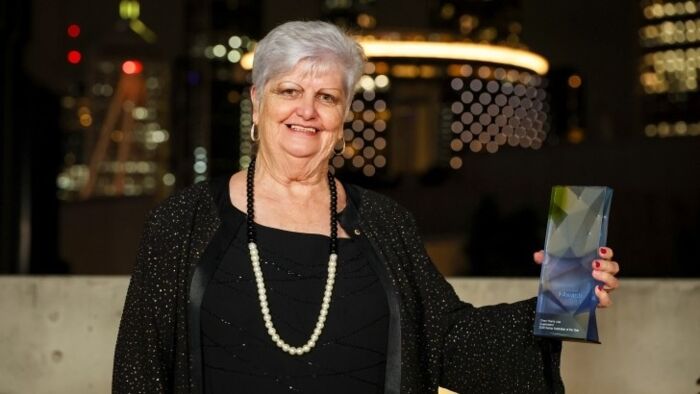
Cheryl Harris OAM is a tireless champion for volunteers and the 2026 Queensland Senior Australian of the Year, recognised for her extraordinary contribution to community life on the Sunshine Coast. Her passion for helping others has evolved into a lifelong commitment to strengthening volunteer engagement across the region.
As the former chief executive of Volunteering Sunshine Coast, Cheryl led the development of the Pathways to Employment program, helping people build skills, confidence and pathways into paid work through volunteering.
She is currently chair of Healthy Ageing Partnerships, empowering older Australians through shared knowledge and informed health choices.
Tell me about your early years. What shaped your attitude towards community?
I grew up in Rhodesia, now Zimbabwe, in an average family rich in happiness.
The youngest of four children, with two older brothers and a younger sister, I was well looked after - my brothers were especially protective, which I appreciated.
It was a close-knit family environment, filled with fun, laughter and love.
My mum taught us from a young age to do our best at school, to respect everyone regardless of colour or creed, and to treat others with kindness.
She encouraged us to celebrate others' achievements, rather than be jealous of them.
She also instilled in us the belief that if you can help someone, you should, with the right intentions and never expecting anything in return. It's a principle I've tried to live by since.
When did you first realise volunteering could change lives?
I started volunteering at 20, and as I grew older, I understood just how much volunteering can change lives.
You gain skills that support your professional life, form new friendships, and by understanding the needs within your community, you become more aware of the positive impact you can have.
What's the most rewarding moment you've had as a volunteer?
A young man came to volunteer when I was running a kidney support organisation.
He was autistic, so I knew his communication style might be a little different.
During the interview, I asked what he enjoyed doing, and he said he loved working with computers.
I mentioned that I needed someone to produce our newsletter, and his face lit up. He volunteered twice a week, was incredibly reliable, and did an amazing job.
Over time, he grew more confident, chatted easily with others in the office, and became a valuable member of our organisation.
I was thrilled that taking the time to understand his passion helped him shine.
How does volunteering help people build confidence and financial resilience?
Volunteering Queensland defines volunteering as: "Time willingly given for the common good and without financial gain".
Volunteering is particularly valuable if you're new to a State or country, as it's an excellent way to meet people and build connections. I
t can also be beneficial if you've been unemployed for some time or are a parent returning to the workforce.
The skills you bring - and those you gain - often build on past study or work experience, helping you stay current while adding real value to the not-for-profit organisation you support.
After COVID, volunteer numbers dropped significantly, so encouraging others to volunteer - whether young, middle-aged or older - is incredibly important.
Even corporate volunteering is a great team-building exercise.
What advice would you give to someone who wants to volunteer but worries about work and money?
Think of the difference you're making - whether helping animals, supporting the homeless, assisting older people, or contributing to disaster resilience during floods and droughts.
Think of our farmers and everything they endure.
I understand that rising living costs and fuel prices make it harder, especially if you're on an age pension, youth allowance or any Services Australia payment.
But the satisfaction you gain from seeing the difference your few hours make is immense.
What's one misconception older Australians have about money and health?
There's a common misconception: 'If I'm frugal and avoid spending, I'll stay financially secure, even if my health starts to fail.'
Unfortunately, avoiding dental check-ups, skipping physio or not considering mobility aids can create bigger health problems later.
With the current changes to My Aged Care and higher co-payments, it's not easy, especially for lower income earners.
Talking to Services Australia, a social worker or family members can help.
Even saving a few dollars each fortnight can make a difference.
If you're financially stable, speaking with a financial adviser can help you plan for later years and future medical needs.
There are no quick fixes, but planning helps.
How do you see financial wellbeing intersecting with healthy ageing?
Financial wellbeing and healthy ageing are two sides of the same coin.
When older people feel financially secure, they can make choices that protect their health - choices about housing, mobility, social connection and preventative care.
When people stay healthy, they protect their financial independence for longer.
Our role is to strengthen both, because dignity in later life depends on more than services; it depends on the freedom to live well, participate fully and age with confidence.
What's one piece of money advice you'd give your 16-year-old self?
I wish that, as a youngster, I had been advised to save 10% of my earnings from the day I started working.
I would say to myself: invest early in the things that build your future - skills, relationships and your wellbeing.
Money grows, but so do you, and the earlier you back yourself, the stronger your foundation becomes.
Please finish this sentence: Money is good for...
... creating options - the freedom to live well, stay connected, and make choices that reflect what matters to you.
Money is good for adding a bit of sparkle to the everyday - the kind that makes life feel deliciously yours.
Money is good for making memories that outlast receipts.
Get stories like this in our newsletters.