Fuel shock reignites Australia's inflation problem




Petrol and power prices have sent inflation back to 4.6%, reviving fears of another RBA rate hike.
Annual inflation has jumped to its highest rate in more than two years, according to new data released by the Australian Bureau of Statistics (ABS) this morning.
The Consumer Price Index (CPI) rose 4.6% in the 12 months to March - a sharp increase from the 3.7% rate recorded over the 12 months to February.
"Annual CPI inflation is the highest it's been since September 2023," says Sue-Ellen Luke, head of prices statistics at the ABS.
Underlying inflation (or trimmed mean) - which doesn't include the most volatile price changes in the basket of goods and services tracked by the ABS - remained steady at 3.3% over the 12 months.
Transport and housing costs rise
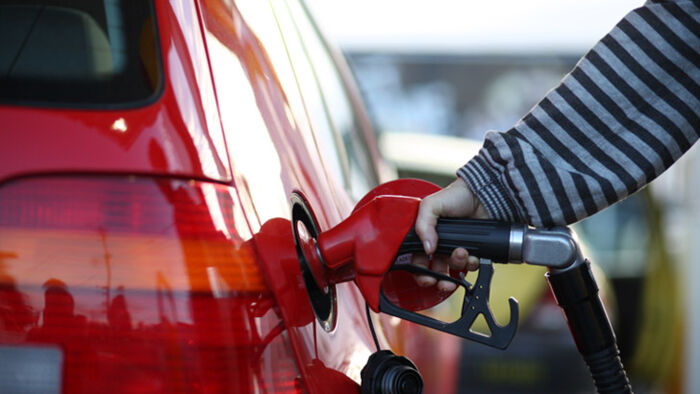
While petrol prices have come down in the last fortnight, motorists won't be surprised to learn that automotive fuel was one of the largest recent drivers of inflation.
"Automotive fuel prices rose 32.8% from February to March, which pre-dates the halving of the fuel excise on April 1," Luke says.
"The increase in March is the largest monthly increase since the series began in 2017, reflecting the impact of the conflict in the Middle East on fuel prices."
The recent spike in fuel costs ensured that transport category (up 8.9%), was one of the largest contributors towards the uptick in headline inflation.
The other was the housing category (up 6.5%), pushed higher by elevated electricity costs which, according to the ABS, are 25% higher than they were 12 months ago following the end of government energy rebates.
What could this mean for the May RBA meeting?
Next week the Reserve Bank of Australia's (RBA) Monetary Policy Board will meet for the third time this year, armed with the knowledge that inflation has crept even further above its desired 2-3% target band.
As it stands, experts suggest that the Board is more likely than not to hand down a third straight 25-basis-point rate rise on Tuesday afternoon which would take the cash rate from 4.10% to 4.35%.
Before this morning's inflation release markets were pricing in the chance of a rate rise at 76%, while all four major banks were predicting a 25bp hike.
"Although the quarterly increase in trimmed-mean inflation was slightly less than the market feared, it was still uncomfortably high and cements the case for a rate hike at next week's RBA meeting," says David Bassanese, chief economist at Betashares.
"Beyond May, however, the case for further rate hikes is less clear-cut. There has been some modest easing in trimmed-mean quarterly inflation over the last three quarters, and a 0.8% increase is arguably not bad given the surge in energy costs in the last month of the quarter.
"Much will depend on how long the Iran conflict persists and whether the Strait of Hormuz remains effectively closed."
Get stories like this in our newsletters.


 Reply
Reply