What the fuel excise cut means for petrol prices




The federal government will temporarily halve the fuel excise from Wednesday, cutting 26.3 cents a litre from petrol and diesel for three months, as Canberra scrambles to contain the fallout from the worsening fuel crisis.
The move was announced after Prime Minister Anthony Albanese met state and territory leaders at national cabinet on Monday.
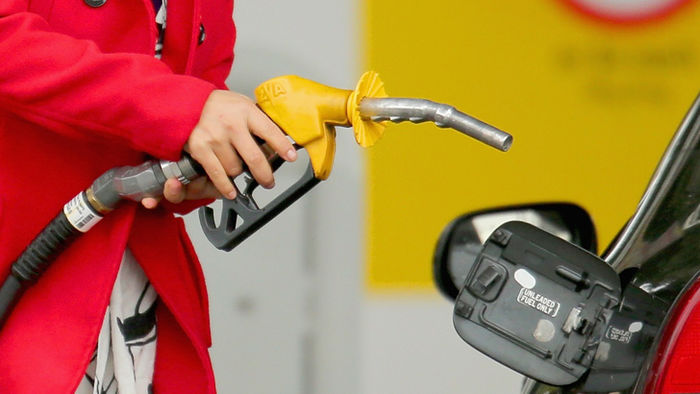
The package includes a fuel security plan, a 50% cut to the fuel excise and a three-month reduction in the heavy vehicle road user charge.
Treasurer Jim Chalmers says the excise cut and truck relief would cost the budget about $2.55 billion.
What is the fuel excise?
Fuel excise is a federal tax built into the price of petrol and diesel.
With the tax temporarily cut in half, the 53 cent-a-litre charge will fall by 26.3 cents for three months.
"We're making fuel cheaper today because we understand that Australians are under serious pressure," says Albanese.
Why are petrol prices spiking?
The move comes as war involving Iran disrupts oil and gas flows through the Strait of Hormuz, one of the world's most important energy choke points.
About a fifth of global energy trade normally passes through the strait, so any disruption quickly pushes oil prices higher. Brent crude has climbed above US$115 a barrel, lifting fuel costs in Australia.
Australia is especially exposed because it imports about 90% of its fuel.
The country has around one month of petrol, diesel and jet fuel, while cancelled shipments from Asia and local shortages have added to concerns about supply.
What is the National Fuel Security Plan?
Albanese says national cabinet had adopted a national fuel security plan to co-ordinate the response between the Commonwealth, states and territories.
"The plan outlines how governments will work together to keep Australia open and to keep our economy going," he says.
He says the plan had four levels of action and was designed to avoid a patchwork response across the country:
Level 1 - Plan and prepare
Fuel supply runs as normal while governments watch global risks. Australians can purchase fuel as normally.
The government will work collaboratively with fuel suppliers and distributors to gather supply chain information at the national level. Supply and price reporting will also be updated, and government will work with industry to monitor possible impacts
Level 2 - Keeping Australia moving
This is where Australia is currently at, where fuel supply continues to operate effectively, but localised supply disruptions occur.
Australians should "only buy the fuel you need", the plan says.
"Make voluntary choices to use less and avoid the impact of higher fuel prices."
Canberra engages trading partners, underwrites extra cargoes and critical inputs, publishes near-real-time data, temporarily adjusts fuel standards to divert more product onshore, and manages the release of oil to keep allocations fair.
Level 3 - Take targeted action
If disruptions persist, the focus shifts to moving fuel to priority areas and prompting broader voluntary conservation.
The government will act to secure supply. Clear guidance will be provided on how you can help make sure fuel gets to where it's needed most.
"All governments will look for practical measures to help you reduce your use."
The government would intensify diplomatic efforts, make further targeted releases from reserves, and work with states on nationally consistent, practical measures to cut demand.
Level 4 - Protecting critical services
If supply tightens further, stronger demand measures kick in to guarantee fuel for essential users (health, utilities, emergency services) while keeping the economy open.
A national framework prioritises critical sectors, and the Commonwealth directs supply to states and territories fairly, with clear triggers to wind measures back.
Truck relief
The government will also cut the heavy vehicle road user charge to zero for three months and defer the next scheduled increase for six months. The charge is currently 32.4 cents a litre.
Albanese says the move would help trucking businesses hit by rising fuel costs.
"For many trucking companies that are small, they rely upon a cash flow which is under pressure, because they pay for their fuel, and then they get paid down the track in 30, 60, or 90 days, depending upon the contractual arrangements that they have," he says.
Chalmers says the package was aimed at softening the hit to households and businesses.
"The steps that we're announcing are all about taking some of the sting out of these higher petrol and diesel prices," he says.
States split on free public transport
Public transport is where the national response starts to split.
Victoria and Tasmania have announced temporary free public transport measures, while other states have ruled them out for now.
Victoria will make trains, trams and buses free from March 31 until the end of April, while Tasmania has made public buses free from March 30.
"This is a temporary measure to help with the cost of living - it will take pressure off the pump and help you save," Victorian Premier Jacinta Allan said.
Tasmanian Premier Jeremy Rockliff said: "We know the rising cost of fuel is impacting the family budget, and that's why we have again taken strong and decisive action to protect Tasmanians."
But South Australia, Queensland, Western Australia and New South Wales have all declined to follow suit.
Queensland and South Australia had recently cut public transport costs, arguing making it free is unnecessary as it's already heavily subsidised.
WA Premier Roger Cook also rejected the idea, saying fares were already at a "historically low" level.
"Rick Astley was top of the charts when fares were this low in Western Australia back in the 80s," he said.
NSW has also ruled out free public transport, arguing it would cost millions of dollars a day and make it harder to fund extra services if demand surged.
However, this would NSW the most expensive state in Australia for public transport.
What it means for households
For households, the quickest relief will come from the excise cut.
A driver filling a 50-litre tank would save about $13.15 if the full reduction is passed on. For a 65-litre tank, the saving would be about $17.10.
It will not solve the broader supply problem or fully cancel out the effect of higher global oil prices.
While it's uncertain when fuel prices will settle, it should give households some short-term relief while Canberra tries to stop an overseas energy shock from becoming a deeper domestic one.
Get stories like this in our newsletters.