How to have a waste-free Christmas and save big




Christmas has a way of sneaking up on us. So too, the credit-card debt and pressure to rush, buy, wrap, rinse and repeat.
Ironically, I've struggled writing this article in a way that's fresh and new. Because the message hasn't really changed in 15 years.
Buy nothing new - get loads back in return! More money. More time. More peace. Healthier planet. More connected communities.
Gifts that heal not harm
We all know our planet needs our help. Mother Nature, who gives us food, medicine, shelter, health, joy, awe and wonder, is aching.
One of the simplest solutions - we need to consume less stuff.
Buying less gives us more. More time. More presence. More joy. (And less clutter. Less stress. Less debt.)
Make the gift match the message
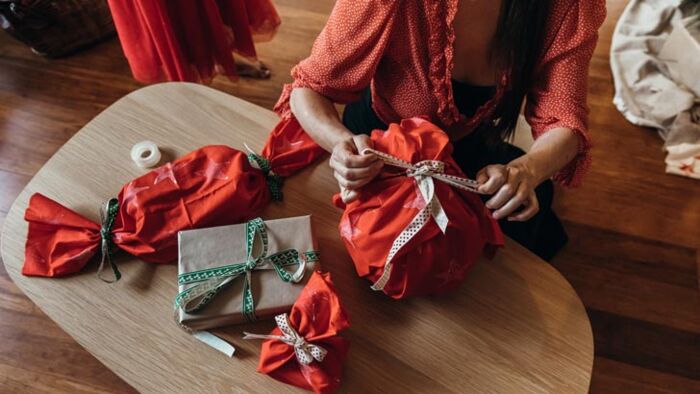
If we want to show we care, gifting clutter no one wants, wrapped in plastic, heading to heaving landfill, in a world weighed down with wasteful consumption, mostly shows, that we don't care.
Christmas is the perfect time to remember, one of the most generous things we can do, for ourselves, families, communities and planet, is gift what we've got and buy nothing new.
We need more meaning - not more Labubus
We live in a culture that calls us "consumers" and tells us our role is to consume.
Drive to a place. Buy the thing. Give them your money. Upgrade the thing. Store the thing. Replace the thing.
When we step out of that script, something super awesome happens. We save money. We save time.
We reconnect, with each other (and what we've already got.)
When we choose reuse over retail, sharing over shopping, second-hand over brand-new, we remake our world.
We become citizens (instead of "consumers") creators and community members, with more time and money for the things that count.
So. Much. Stuff.
Our cupboards are full. Toy boxes overflow. Garages, bookshelves, wardrobes and kitchen drawers bulge. Recognising the extreme privilege of having too much stuff, it is a situation so many of us are in.
Regifting starts here. Think of these places as second-hand department stores!
Normalise re-gifting with a message of: "Because I love you, I'm choosing to spend time with you rather than money at the mall. Enjoy this book that I really loved and know you will too."
Sharing builds the kind of wealth money can't buy
Borrow the extra chairs. Swap kids' toys with mates.
Before you buy, ask neighbours do they have one you can borrow theirs?
Sharing can strengthen our social glue - the invisible infrastructure that makes our communities more connected, safer, resilient and fun. When we connect with our neighbours, loneliness drops, trust grows and everyday life gets easier.
Second-hand is first-rate
Second-hand gifts come with stories: they carry character, charm and far less environmental cost.
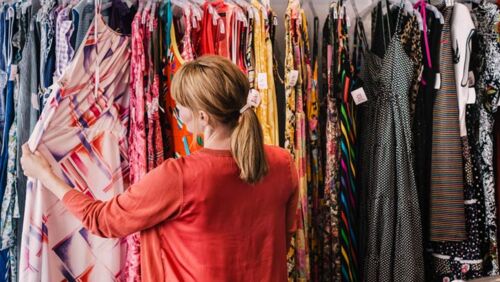
From books, to bikes to clothes to cookware, buying second-hand keeps valuable resources in circulation and money in our pockets.
A quiet rebellion that adds up
Choosing a thoughtful, waste-free Christmas isn't loud or flashy. It's subtle. It's practical. It works.
It saves households money during one of the most expensive times of the year and cuts waste at its source.
It reminds us that healing our planet doesn't require heroics, just better habits, done daily, shared widely.
This Christmas, be the one to call it
Spread the message to use what we've got, share what we can, reuse what works, donate what we don't need, buy second-hand, buy better, buy less.
Here's to more "Second Hand Santa", "Op-Shop Only", "Plants not Plastic", "Love Not Landfill" messages lighting up the Whatsapp channels
Let's make Christmas 2025 lighter on the planet, better to our bank balance and kinder to our kids' future.
Get stories like this in our newsletters.