Jonathon Moran on conquering his demons and shopping addiction




For as long as he can remember, shopping has been a salve for entertainment writer Jonathon Moran.
His wardrobe is a testament to this. Moran doesn't just own one pair of ugg boots, he owns three. Then there are his dozens of pairs of shoes, his t-shirts in various colours and sizes and even a stack of business shirts still in their packaging.
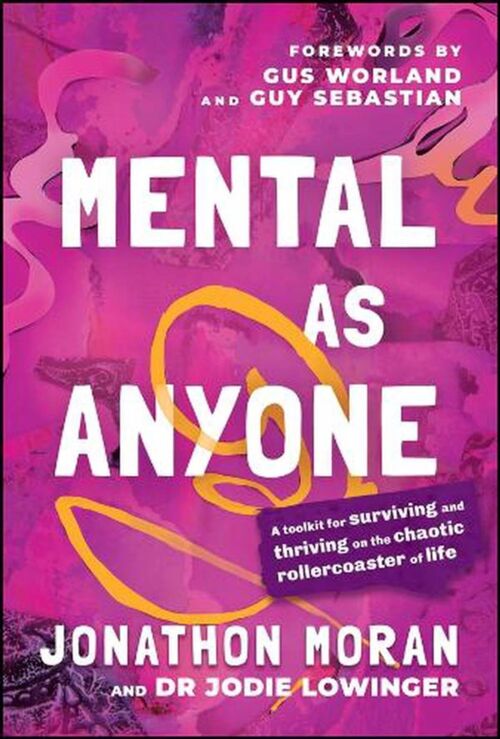
In some ways, his shopping addiction is inherited, says Moran, who this month released his memoir, Mental As Anyone, inspired by his podcast of the same name.
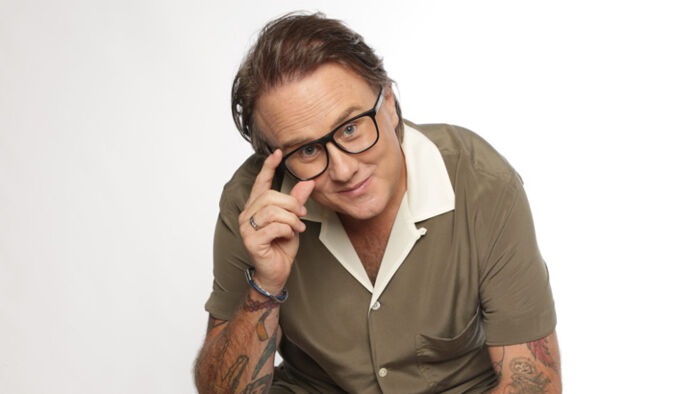
"My mother was a shopper, and I guess she passed that down to me, amongst other things - that desire for a dopamine hit. She definitely had the same compulsion, for sure.
"She didn't have a lot of money growing up, so she was the kind of person that would buy things in the sales at Christmas that would be gifted the next year.
"She spent, but she spent on things that mattered. Not just on stupid little things that I seem to spend my money on these days."
For Moran, chief entertainment writer at The Daily Telegraph, the act of making a purchase gives him a rush - that hit of dopamine.
And the compulsion can extend to anything. As he explains, Labubus - a popular range of collectible plush toys - have been a real point of focus lately.
"I've been into the store twice today. Just as I was walking around the city for different things I happened to be like, 'Oh, I wonder if there's any more [Labubus] in stock?', because they update them so often.
"So it's just a constant thing. But anything to do with shopping is exciting.
"I just love going to the supermarket. You know, seeing what treats they've got and what almond milk is there this week that I can get on sale."
How common is shopping addiction?
Moran is by no means alone in his shopping addiction.
Dr Jodie Lowinger is a clinical psychologist, executive coach, keynote speaker and founder of The Anxiety Clinic. She also co-wrote Mental As Anyone with Moran.
She says that while it might not be talked about quite as openly as some other behavioural issues, shopping addiction is far more common than people may think.
"Studies estimate that approximately 2% to 8% of the population experience compulsive buying behaviours severe enough to cause significant psychological distress or impairment in functioning.
"The rise of online shopping, social media marketing, and buy now pay later platforms have significantly increased accessibility and impulsivity triggers. However, many individuals don't seek help due to a sense of stigma or shame."
Some people may think the idea of compulsive buying isn't all that serious. Perhaps a case of overly-indulgent retail therapy or just a bad spending habit. But Lowinger is quick to dismiss this.
"While the term might sometimes be used in a trivial way in a culture that normalises consumerism, shopping addiction is far from trivial," she says.
"Compulsive buying is widely recognised in clinical psychology and psychiatry as a significant behavioural addiction that warrants attention and treatment, similar in many ways to gambling disorder.
"It shares many features with other addictions including cravings or urges, loss of control, emotional triggers, and negative consequences. It frequently co-occurs with anxiety, depression, ADHD, substance use and obsessive-compulsive traits."
What are the signs of a shopping addiction?
So where is the line between more run-of-the-mill shopping that most people will be required to do throughout their lives and the kind of behaviour that would be considered deleterious?
"The key difference between healthy spending and compulsive buying lies in control, intention, and consequence. When shopping becomes a coping mechanism rather than a conscious choice, it's time to seek help," Lowinger explains.
Lowinger says that there are a number of common red flags, including when someone uses shopping to escape from things like stress, anxiety, boredom or sadness. Then, afterwards, experiences a sense of guilt, shame or regret.
"People might find themselves hiding purchases, lying about spending, or accumulating debt yet feeling unable to stop," she says.
"They might spend excessive time thinking about shopping or browsing online, at the expense of work, relationships or other responsibilities."
Is compulsive spending linked to mental health?
For Moran, his behaviour is inextricably linked to his mental health. Yes, he admits that he's always on the hunt for a bargain, but his compulsive tendencies intensify in periods of heightened stress.
"It depends where I am with my in my life and where I am from a mental health perspective. If life is going well, then things are okay. But if things are a bit skew-whiff, then they head the other way."
That was the case in the days following the death of his mother. In the throes of grief, Moran turned to a familiar vice.
First came the purchase of a couple of pairs of new shoes and a new suit. Then came new jumpers and business shirts. To top it all off, Moran found himself the owner of an inordinate supply of five-in-one can openers - 20 all up. A 'just in case' purchase.
Moran isn't unaware of his compulsion, or what drives it. Nor is he shy about talking about it.
In between his childhood in Canberra and interviewing celebrities from Madonna to Michael Bublé, his memoir reveals the cause and cost of his shopping addiction.
Understandably, the book launch has also been causing him stress.
"With the book coming out stress levels have been high. I've been thinking about whether it's going to be good enough. You know, are people going to relate to it? Are people going to buy it? All those things.
"At the moment I'm acutely aware that I don't need to buy 20 can openers. And if I do buy anything, I try and make it practical rather than something I just don't need.
"Being aware of it is the trick for me. If I'm aware of it, I can do something about it. Or, at least, I know that it's happening."
When should you seek help?
Gaining that sense of awareness has been important for Moran, but so has reaching out for support.
"Managing my mental health by way of counselling when I know things are going down a certain path and I might be feeling a little bit skew-whiff - that is an important step," he says.
"Obviously now being very busy with the book and having multiple stresses going on I'm aware that my mental health is in a heightened state, so I am seeing someone.
"And these are things that I talk about. You know, how do I reign in my excessive stuff. And it's not just shopping, it's excessive anything."
Ultimately, Lowinger says that it's important for anyone who may be dealing with compulsive spending and the underlying causes to know that they're not alone - that there are ways to approach it and that there is help available.
"What I'd recommend is taking a pause and getting curious about your own emotional patterns," she says.
"Start noticing your triggers: What feelings come up before you shop? What's the emotional aftermath? Journalling or using a trigger tracker can be helpful.
"Introduce healthy circuit-breakers like delaying purchases for 24 hours, limiting exposure to online shopping, or replacing the urge with a healthy self-care habit.
"If the behaviour is frequent, distressing, or impacting your finances or relationships, it's worth speaking to a clinical psychologist."
Need to talk?
BeyondBlue: 1300 22 4636
Lifeline: 13 11 14
Get stories like this in our newsletters.

 Reply
Reply