Priced out of the city? Try these 10 regional hotspots




Priced out of the city? A new report has identified 10 regional hotspots where home buyers can purchase property for hundreds of thousands less than in the capitals.
The growing number of Australians struggling to become homeowners will welcome a report showing the regional hubs, many within commuting distance of major cities and with other positive economic features, that are more affordable options for first-home buyers.
It will also interest older people looking to buy a cheaper home to free up cash for a better retirement lifestyle, as well as investors who don't have the sums needed to invest in big cities.
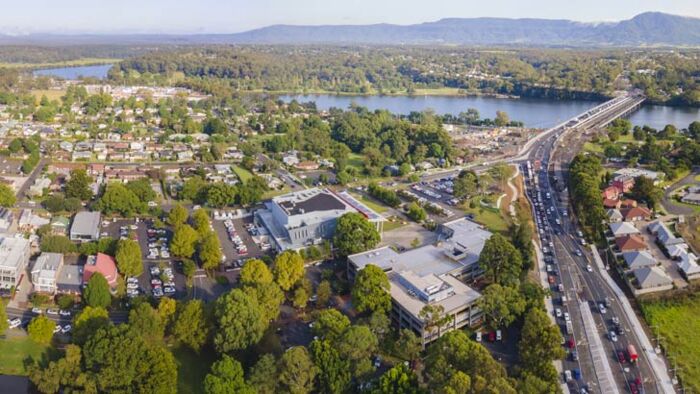
Ten regional local government areas across Queensland, NSW, Victoria and Tasmania were designated as affordable buys in PRD Real Estate's 2026 Smart Moves: Regional Edition report.
Five criteria drove the report's findings: affordability compared to the state capital, sales and growth, rental yield, the local unemployment rate and planned development in the area. The full report is available at prd.com.au.
Looking beyond price was key to ensuring regions were viable for buyers, according to PRD chief economist Diaswati Mardiasmo.
These areas are turning into more sustainable and insulated economic hubs because of the commercial and infrastructure activity planned, she says.
And with more people now working some days a week from home, buying a house close to work is not as important as it once was.Purchasing in a regional area with job opportunities, infrastructure and lower prices also means lower debt commitments, adds Mardiasmo.
10 regional hotspots for property buyers
- NSW: Central Coast, MidCoast, Shoalhaven
- Victoria: Bendigo, Geelong, Casey
- Tasmania: Launceston
- Queensland: Cairns, Toowoomba, Ipswich
- Cheapest median house price: Launceston, Tasmania ($575,000)
- Most affordable compared with its capital city: Central Coast, NSW ($925,000 versus Sydney's $1.76 million median)
Affordable NSW regional property hotspots
The Central Coast LGA, north of Sydney, was one of the areas singled out. It offers houses at almost half the price of those in the capital, with a median house price of $925,000 at the end of 2025 compared with $1.76 million in Sydney.
It's a well-established coastal region, valued for its scenic beaches and surrounding national parks, with good road and rail transport links to Sydney and Newcastle.
Over a period of 10 years to 2025, the area recorded strong median house price growth of 76.2%, while remaining significantly more affordable than Sydney, according to the report.
"Over the past 12 months, median house prices increased by a modest 0.6%, contributing to a more sustainable environment for first-home buyers. However, with economic momentum building and limited housing stock, buying conditions may tighten as demand accelerates."
Two other NSW regions made the cut: the MidCoast LGA north of Newcastle, with a $750,000 median house price at the end of 2025, and the Shoalhaven LGA on the south coast, where the median house price sat at $865,000 in December 2025.
Shoalhaven's unemployment rate of 3.3% is below the Australian average of 4.2%.
"House sales increased by 18.5%, while median house prices rose by 2.5% over 2025. Despite this growth, median house prices remain approximately 50.8% more affordable than Sydney Metro, supporting continued buyer demand," says the report.
The MidCoast, renowned for its beaches, lakes and relaxed coastal lifestyle, recorded population growth of 4.3% over the past five years.
"This reflects its increasing appeal, particularly for retirement living, which remains a key driver of the local economy," the report says.
Victoria's affordable regional property markets
Three Victorian regions have been included: the Bendigo LGA, the Geelong LGA and the City of Casey LGA.
Bendigo, a former gold rush city in central Victoria, has the lowest median house price of the three at $610,000, compared with the Melbourne median of $1.11 million at the end of 2025.
Bendigo is accessible to Melbourne by rail and road within two hours.
"Investment conditions across the Bendigo LGA remain compelling," says the report.
Average rental yields were 3.9% for houses at the end of 2025, well above Melbourne Metro's 3%, while units achieved an average yield of 5.2%, also outperforming Melbourne Metro's 4.4%.
Known as Victoria's second city, Geelong offers great lifestyle options as well as houses with a median price tag of about $700,000, 37% less than Melbourne.
It's also only about an hour's commute to the capital by either road or rail.
The area offers first-home buyers and first-time investors low-cost entry into a proven growth location, says the report.
Casey, a major growth corridor south-east of Melbourne, recorded a median house price of $765,000 as at December 2025.
Spreading from the Dandenong Ranges in the north to the shoreline of Western Port in the south, it's Victoria's most populous municipality and has recorded high population growth of 11.4% over the past five years.
Major towns include Berwick, Cranbourne, Endeavour Hills, Hallam, Hampton Park and Narre Warren.
Launceston emerges as Tasmania's cheapest regional hotspot
The Launceston LGA, which includes Tasmania's second-largest city, offers the cheapest median of all the areas identified in the report, $575,000 at the close of 2025.
This is significantly less than in the capital Hobart, where the median sat at $767,451 in December 2025.
"A steady regional market with tightening supply conditions" is how the report categorises Launceston.
It recorded a falling unemployment rate in 2025 and house sales grew by 20.4%, while the median price rose 4.5%.
Over the 10 years to 2025, median house prices grew 115.4%.
Queensland regional areas offering lower house prices
Back on the mainland, Queensland has three of the most affordable areas.
On the far north coast, the Cairns region had a median house price of $745,000 at the end of 2025. In Toowoomba, an inland hub in the southeast, the median house price was $769,000, and in Ipswich, a major regional centre within the Greater Brisbane area, the median price reached $801,450.
At the same time, Brisbane's median was $1.17 million.
All these areas have recorded strong population growth over the past five years: 11.7% in Ipswich, 7% in Toowoomba and 5.1% in Cairns.
Apart from considering regional living as a way of getting a foothold in the property market, first-home buyers should make sure they are taking full advantage of any government schemes on offer.
Government schemes that can help first-home buyers
1. First Home Guarantee (5% deposit scheme)
Eligible first-time buyers can buy a home with a 5% deposit (2% for single parents) without paying lenders mortgage insurance (LMI). The government guarantees the rest.
LMI is a one-off, non-refundable fee charged by lenders when a borrower has a deposit of less than 20%, and it protects the lender, not the borrower.
For example, a first-home buyer purchasing an $800,000 home with a 5% deposit ($40,000) could pay about $31,000 in LMI without the scheme.
2. First Home Super Saver (FHSS) scheme
This allows voluntary contributions of up to $50,000 to superannuation, which can be withdrawn for a first home deposit, generally benefitting from the lower 15% tax rate on contributions.
3. Help to Buy scheme
A shared equity scheme where the government contributes 5% to 30% of the purchase price for existing homes, and up to 40% for new builds, reducing the mortgage size.
There are also various state and territory incentives such as the First Home Owner Grant, which is a one-off grant, typically up to $10,000, for buying or building a new home.
It is available across states and territories, with varying thresholds.
4. First Home Buyers Assistance Scheme
In NSW, this scheme offers full exemptions on stamp duty for existing homes up to $800,000 and vacant land up to $400,000, with reduced rates up to $1 million.
Many first-home buyers in regional NSW would be eligible for this assistance.
Get stories like this in our newsletters.

 Reply
Reply