RBA raises cash rate to 4.60%, highest level since 2011




Australian borrowers have been hit with another rate rise after the RBA lifted the cash rate to a 15-year high of 4.60%. The move could add more than $100 a month to repayments on the average mortgage, with experts divided on whether more hikes are still to come.
The official cash rate has hit a 15-year high of 4.60% following the Reserve Bank Board's latest monetary policy meeting in Sydney this afternoon.
The Board unanimously agreed on a 25-basis-point increase at the meeting - the fourth hike from the central bank in just eight months.
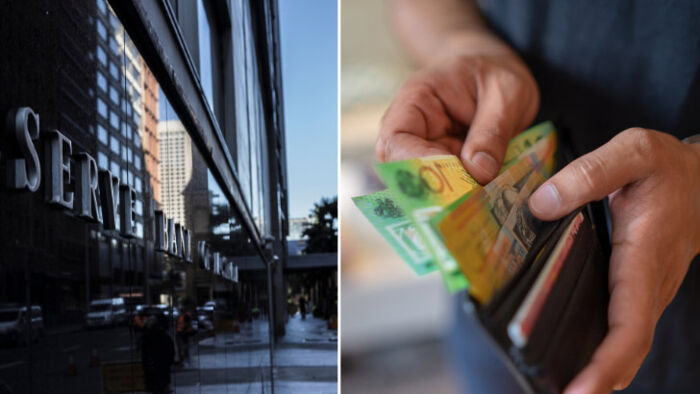
In its post-meeting statement, the Board said higher fuel prices have pushed up other goods and services, and growth and inflation have been higher than expected.
"Recent inflation outcomes in Australia were stronger than expected at the previous meeting.
"The Board will continue to do what it considers necessary to bring inflation sustainably back to target, including increasing the cash rate target further if needed."
The last time rates were this high
Julia Gillard occupied the Lodge. Gotye's 'Somebody That I Used to Know' topped the ARIA charts. And the cash rate sat at 4.75%.
It was October 2011 - the last time interest rates were higher than they are today.
Plenty has changed in the 15 years since, but there are some similarities between the two periods.
Annual inflation was running at 3.5% in the September quarter of 2011 (on par with the most recent CPI print), while unemployment was at 5.2% (it's 4.6% today).
As it turned out, October 2011 marked a near-term peak for the cash rate. Over the following two years rates were cut to 2.50%.
That could also be the case today: rates could flatline before falling next year. They could also climb higher. Only time will tell.
What does today's rate rise mean for mortgages?
One group that will be hoping that the cash rate has reached a peak is Australian homeowners with a mortgage.
In the meantime, they'll be focused on the weeks ahead and the prospect of an email from their lender outlining a 25-basis-point hike to their home loan rate.
Should that happen, a borrower with an average loan of $731,000 paying a typical variable interest rate of 6.21% would see their repayments jump by $113 a month.
Of course, that jump in repayments - if it does occur - won't be coming in isolation.
Factoring in today's increase and the rate hikes passed on earlier in the year, the average borrower could soon be paying $427 more per month than they were in January, according to Finder.
Australians with a mortgage are being urged not to sit on their hands though.
"Now is the time to pay close attention to the rate you're paying," says Richard Whitten, home loans expert at Finder.
"If you spot a better deal elsewhere, ask your lender what they can do. If they won't budge, switch to a more competitive loan. A lower rate could wipe out the cost of today's hike."
Will the RBA lift rates again before the end of 2026?
Now that today's verdict is in, attention will turn to the final monetary policy meetings of the year which will be held over November 2-3 and December 7-8.
The question is though: could either result in further hikes? The consensus from experts is mixed.
Among the banks, economists at ANZ and HSBC are currently predicting another hike from the RBA in November.
CommBank, NAB and Westpac, on the other hand, haven't pencilled in another rise, but aren't ruling one out entirely if economic conditions worsen.
Elsewhere, nearly half (48%) of economists and experts surveyed by Finder in the leadup to today's meeting said that they expected at least one more hike before the end of the year.
Get stories like this in our newsletters.