The road trip mistakes that could cost Australians hundreds




A few simple checks before you leave could save you hundreds in fuel, repairs and emergency callout costs, while helping keep your family safe on the road.
Whether it's a school holiday adventure, a long weekend with your mates or just a getaway with your partner, Australians love road trips. But they can be both costly and dangerous if you don't prepare properly.
Often we simply pack up the car and hit the road. However, a little foresight and preparation can help make your trip safer, less stressful and potentially cheaper.

Here are some important tips that will help ensure your next road trip is both safer and cheaper.
Service timing
If your car has recently had its routine service, it should be ready for the trip.
But if it hasn't had a check-up in a long time (over six months) or you've covered a lot of kays, then booking a tune-up is a great idea.
This will mean your car will not only have a better chance of making it there and back again, but will also be running at its most efficient.
A poorly maintained vehicle can burn more fuel and is more likely to suffer a breakdown, potentially turning a relatively cheap service into a costly roadside repair.
You should also make sure all the usually overlooked items, such as windscreen wipers, fluid levels and lights are all working properly.
These kinds of jobs can be done by yourself, if you don't mind working on cars, to save a few more dollars.
Tyre pressure
This is one of the biggest mistakes people make.
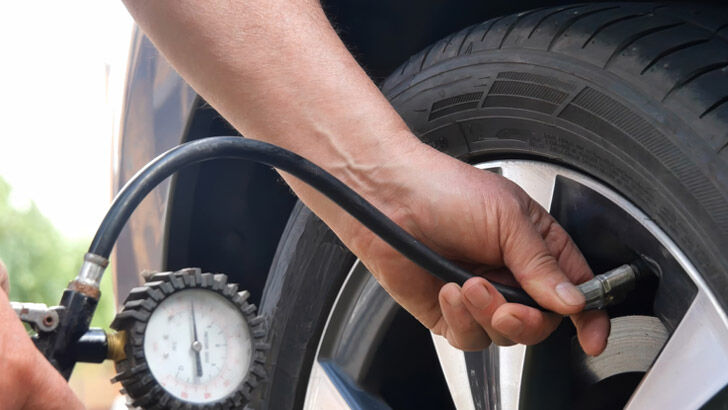
Having your tyres underinflated can lead to high fuel consumption and extra wear, so you need to check they are at the correct pressure.
Under-inflated tyres can increase fuel consumption and shorten tyre life, meaning motorists can end up paying more at both the bowser and the tyre shop.
You should start by checking the tyres are in good condition, with no punctures, cracks, and uneven wear.
It is best to check tyre pressure when they are cold, so do it either the day before the trip or before you set off.
The majority of service stations have easy-to-use air pumps these days, so that's where you'll need to go.
Most cars have a chart showing the correct tyre pressures on the inside of the driver's door frame, or sometimes inside the fuel cap so you'll know what pressure to inflate them to.
A wheel alignment is well worth the investment. If your wheels are out of alignment, your tyres can wear unevenly, and a long road trip may leave you needing a replacement sooner than expected.
You should also check the spare tyre, if your car has one, or make sure you at least have a tyre repair kit.
You don't want to be sitting by the side of the highway for hours if you can get yourself moving.
Battery failures
According to the NRMA, a flat battery is one of the most common causes of a breakdown on Australian roads.
So before you hit the road, it's important to ensure the 12-volt battery in your car is in good condition.
There are multiple ways a battery can fail, so it's worth getting a professional to give it a thorough inspection and replace it if recommended by your mechanic.
A few hundred dollars on a new battery could save your holiday from being stuck on the side of the road or in a random car park.
Overloaded vehicles
It's easy to want to pack a few more things 'just in case' you need them, but overloading your vehicle can be both costly and dangerous.
For starters, you need to be careful where you pack your luggage.
Having loose items in the cabin can be extremely hazardous in an accident, as they can fly around and hit you or your family. So, if you have an enclosed boot, keep all the large items in there.
But if you have an SUV or wagon, try to keep everything below the seat line. If that's not possible, consider fitting a cargo barrier between the luggage area and cabin.
Also, be mindful about how much weight you are adding to your car. More weight means the engine (or electric motor) needs to work harder and will use more fuel (or electricity), so you'll be spending more.
Roof boxes are a popular choice for many families these days, but while they add more space they also add more wind resistance, which means higher fuel consumption.
If you have an electric car, a roof box can reduce your range by as much as 25% at highway speeds, so make sure everything you take is worth it.
Roadside assistance and insurance
Before setting off on a long trip, make sure your car insurance is current and that you can easily access your policy details if something goes wrong.
It's also worth checking whether you already have roadside assistance through your insurer, vehicle manufacturer, warranty or motoring club membership.
Many drivers don't realise they're covered until they need help.
If you're not covered, consider taking out a policy before you leave.
Paying for an emergency callout on the spot can cost significantly more than an annual roadside assistance membership, particularly if you break down far from home.
Emergency kits
It's a great idea to have a small emergency kit in your car, just in case you strike trouble.
The kit should include a hi-vis vest and a foldable warning triangle to make it easier for other motorists to spot you if you're stopped on the roadside.
A torch, with spare batteries, is helpful too, as you don't just want to rely on your smartphone torch if you need it to make calls or look up other help.
Jumper cables are another sensible item to include.
As we've said earlier, a flat battery is common so having the ability to get it going with the help of someone nearby could save you hours waiting for help to come to you.
You should also make sure your car's manual is in the vehicle.
Some newer cars require you to access it online via a QR code, so you may want to download it in case you run into trouble where there is no phone reception.
Finally, a first aid kit is a good idea, because while no-one wants to get into an accident, if you do, having immediate help could be vital.
Get stories like this in our newsletters.