How to spot a romance scam before it's too late




Picture a scammer in your mind's eye. While a shadowy figure perched in front of a computer may come to mind, putting a face to that figure can be more difficult. Scammers, after all, want to stay hidden.
The reality is that with many scams - particularly online dating and romance scams - scammers need to take on a face to pair with the fabricated persona they've created to manipulate their victims.
And as it turns out, scammers have a type.
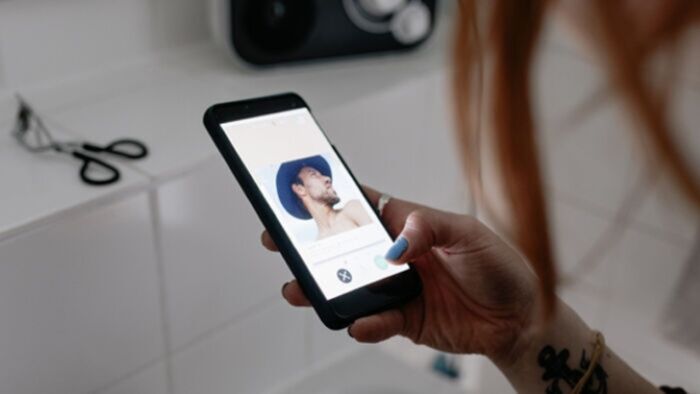
Between January and April, reverse image search engine ProFaceFinder analysed thousands of anonymised images submitted by users who suspected that they were being scammed.
As a result of the analysis, the firm released a report identifying 72 images frequently linked with fake identities used in romance scams.
It found that scammers prefer to use images of younger people with attractive faces that appear friendly, trustworthy and have a degree of status or authority.
Scammers were also more likely to select cropped or low-quality images to make reverse searches more difficult, and to source them from inactive social media profiles or via using artificial intelligence to make recognition harder.
"These images aren't selected at random. Scammers optimise for emotional impact and visual credibility. The more an image looks 'real, but untraceable,' the more likely it is to be reused," the report states.
What types of images do scammers use?
Perhaps unsurprisingly, ProFaceFinder discovered that the traits commonly identified in images linked to scams differed depending on whether the profile was a man or woman.
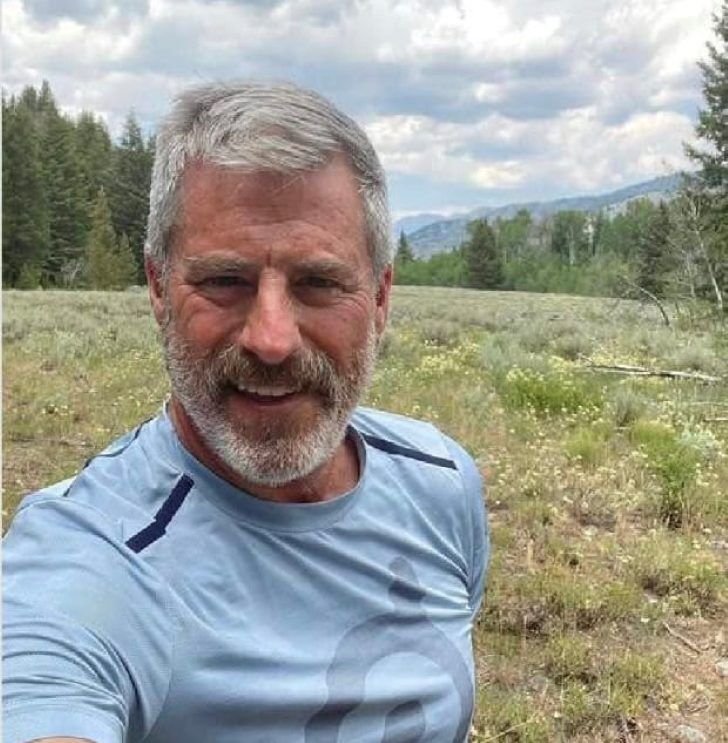
For instance, men were typically aged in their late teens to thirties and were often wearing uniforms or posing with dogs or other pets.
The images of men were also more likely to feature a serious or neutral expression and would often highlight their physique or their active lifestyle.
Meanwhile, the research found that images of women were also likely to feature people aged in their late teens to thirties, but without any prominent lifestyle indictors (e.g. a specific work uniform).
Instead, images of women were more likely to be selfies or closely cropped images featuring softer lighting. Scammers were also likely to use images of women sporting friendly or even 'flirty' expressions.

Romance scam red flags
The unfortunate reality is that these sorts of images clearly have a role in making romance scams one of the more pervasive types of scams.
In the first five months of 2025, Australians reported losses of more than $12 million to romance scams alone, according to Scamwatch data.
In fact, investment ($73 million) and phishing scams ($15 million) were the only categories to record greater losses over the same period.
So how can people avoid falling victim to romance scams? Broadly speaking, there are no shortage of signs and red flags that Scamwatch advises Aussies to look out for.
More specifically though, it suggests that fake profiles created on dating apps and social media which are used in romance scams often feature photos that look overly professional, or blurry and unclear.
The profile may also contain little personal information, and any linked social media accounts are likely to have relatively few connections and little engagement from other people.
Scamwatch also recommends that if anything seems suspicious about a profile, it may be worth conducting a reserve image search on the photos and searching for their name and the word 'scam'.
Get stories like this in our newsletters.