Side hustles and tax: What the ATO really expects




Making extra money from Uber, Etsy, Airtasker or social media? The ATO may already know about it. As side hustles boom, digital platforms are reporting millions of dollars in earnings directly to the tax office. Here's what income you need to declare, what deductions you can claim and the mistakes that could land you in hot water this tax season.
Whether it's driving for rideshare services on weekends, selling handcrafted goods online, consulting part-time or earning revenue from social media, side hustles and gig economy work have become mainstream ways to boost income.
As tax season approaches, firms such as H&R Block say they are seeing more Australians navigating tax obligations for the first time, often without realising how the Australian Taxation Office (ATO) views side-hustle income.
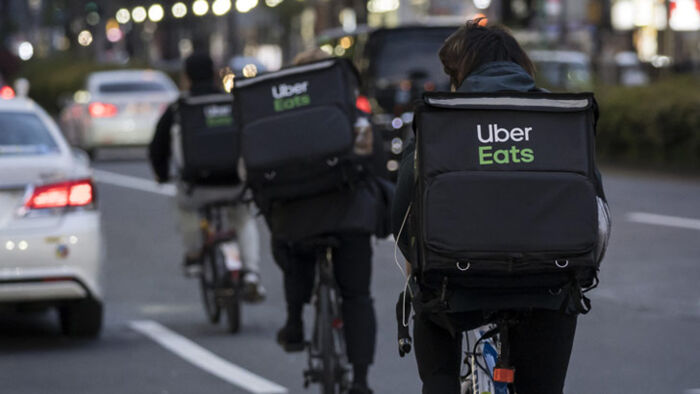
Understanding exactly what the ATO expects is essential not only for staying compliant with tax law, but also for avoiding the stress and potential penalties that can come with under-reporting income or misclaiming deductions.
The rise of the side hustle and why the ATO cares
Whether you're a freelancer, gig worker or casual seller, the ATO is watching more closely than ever.
The modern tax office uses advanced data-matching systems and receives income information directly from digital platforms under the Sharing Economy Reporting Regime.
That means platforms such as rideshare, food delivery apps, online marketplaces, content platforms and even payment services are now reporting user earnings straight to the ATO.
According to ATO Assistant Commissioner Tim Loh, record numbers of taxpayers are supplementing their income through side hustles - and many mistakenly assume this income doesn't need to be declared.
It does.
The long-standing principle remains simple: if you earn money, you must report it.
- Uber and rideshare earnings
- Food delivery income
- Online marketplace sales
- Airbnb and short-stay rental income
- Share trading and capital gains
- Cryptocurrency transactions
- Interest earned on bank accounts
- Dividend income from shares and investments
The side hustle income the ATO expects you to declare
Whether it comes from traditional work or a side hustle, all assessable income must be included in your tax return.
This includes:
- Earnings from digital platforms - ride-sharing, delivery, task-based apps
- Freelance or consulting fees
- Sales of goods online or at markets
- Income from subscriptions, advertising or fan donations on content platforms
- One-off payments for services, even if casual
Importantly, it doesn't matter whether the work is casual, part-time or irregular - if you received payment for services or goods, that income is assessable and you must declare it.
Even if your total income from side hustles doesn't exceed the tax-free threshold (currently $18,200), it still must be reported.
Failing to do so simply because you think income is "small" or "under the radar" is a dangerous assumption, especially with expanded reporting and data-matching.
When your side hustle needs an ABN or GST registration
If your side hustle is more than just a hobby - for instance, it involves repeated activities with the intention of making profit - the ATO is likely to treat it as a business.
In those cases, you'll generally need an Australian Business Number (ABN) and may need to register for Goods and Services Tax (GST) if your turnover exceeds the threshold (currently $75,000 per year).
Here's a quick rule of thumb:
- ABN: required if you're carrying on a business
- GST registration: required if your side hustle business earns $75,000 or more
Even before these thresholds are reached, obtaining an ABN can make invoicing, record-keeping and tax compliance easier.
What expenses can side hustlers claim at tax time?
One of the benefits of reporting side-hustle income is that you can also claim legitimate business-related deductions, which reduce your taxable income.
But there are rules:
- Only claim expenses that relate directly to earning your side-hustle income
- Keep all receipts, invoices and records
- Don't claim personal expenses or items that are only partly business-related without proper apportionment
For example, a delivery driver might claim vehicle costs, fuel and insurance proportional to business use, but not meals, personal phone bills or private trips.
Likewise, a freelancer can claim software subscription costs but not personal phone usage unrelated to the work.
Importantly, the ATO generally expects you to keep records for five years - a relatively long period that underpins auditing standards and substantiation requirements.
Hobby or business? How the ATO decides
Consider someone selling handcrafted jewellery.
If they occasionally make a sale to friends without profit motive, it may be considered a hobby and not taxable income.
But if the activity becomes regular, advertised and profit-oriented - such as selling via an online marketplace - the ATO considers this a business and expects income declaration, appropriate registrations and deductions claimed only for work-related expenses.
This fine line between hobby and business isn't always obvious, which is why consulting a tax professional early can save complexity later.
Three side hustle tax mistakes that can cause problems
A few traps can catch side hustlers unaware:
- Under-reporting income: With platforms reporting earnings straight to the ATO, undeclared income is easier than ever for the tax office to spot.
- Over-claiming deductions: Claiming expenses that aren't genuinely work-related can lead to audits, penalties or interest.
- Misunderstanding GST rules: Crossing the $75,000 threshold without GST registration can lead to liabilities.
Five ways to stay on the right side of the ATO
Here are practical steps to keep your side hustle on the right side of the law:
- Track income regularly - don't wait until tax time
- Separate business and personal accounts
- Keep detailed receipts and logs for expenses and work activities
- Set aside money for tax - budgeting 20-30% of side-hustle income is common practice, especially when tax is not withheld at source
- Seek professional advice if unsure
Side hustles and gig work are exciting and flexible ways to boost your earnings - but they're increasingly "in the spotlight" for the ATO.
With sophisticated data systems and expanding reporting regimes, there's less room than ever to overlook tax obligations.
The good news is that with clear record-keeping, understanding of your obligations and timely advice, you can enjoy the benefits of your side hustle without unwanted tax surprises.
Get stories like this in our newsletters.


 Reply
Reply