A single person's guide to managing money




Why do so many money-saving tips assume you have a partner? We take a deep dive into why more people are living alone - not just in Australia, but globally - and find out the strategies that experts say can put singles in front financially.
Nothing spells 'freedom' like living alone.
Your choice of movie - every night! No 'please explain' about your latest credit card purchase, and no one to nag about the perils of eating pizza three nights in a row. No doubt about it, single living can be incredibly liberating.

However, it also brings its own set of financial challenges.
For the 2.4 million Australians who live alone, flying solo means taking full responsibility for personal financial wellbeing.
There's no partner's income to fall back on. No dipping into a joint account for unexpected bills and no shared super savings to draw on in retirement.
Despite the challenges, plenty of singles wouldn't have it any other way.
Sure, it can mean taking extra care with your money.
But ticking off personal goals and reaching financial milestones on your own can be incredibly rewarding.
Frank Sinatra was definitely onto something when he crooned 'I did it my way'.
Going it alone is a global trend
Solo living is a relatively new thing.
A century ago, the average Australian household comprised about 4.5 people. Today, that figure is closer to 2.4 people.
Part of the decline reflects falling birth rates. However, a noticeable shift lies in the number of people living alone.
Less than 50 years ago, in 1981, fewer than one in five (18%) households was occupied by one person.
Today, more than one in four (26%) Australians lives solo.
Change strategist and author of Radical Curiosity, Michael McQueen, says the growth in single person households is being driven by a combination of factors: we're marrying later; living longer; having fewer children; and experiencing different patterns of divorce and separation.

There has also been an important cultural shift.
"Living alone is no longer necessarily seen as a temporary stage you pass through before finding a partner," says McQueen.
"For a growing number of people, particularly those with the financial means to do it, independence is something they actively value.
"The changing economic position of women is also driving the rise in solo living.
"Greater participation in higher education and the workforce means living independently is an option today in a way it simply wasn't for many women a few generations ago," explains McQueen.
He adds that older women will remain a significant part of the singles story because women tend to live longer than men.
Although he adds, "I think we're going to increasingly associate living alone with choice as much as age or widowhood."
Singles set to flex the 'power of one' In just two decades, by 2046, close to 3.5 million Australians are expected to be living solo.
As McQueen notes, this has enormous implications for all of us because our economy has traditionally been designed around the family or couples as the basic unit of consumption.
This means we can expect to see changes in everything from food packaging and ready-made meals to appliances, insurance, subscriptions and travel.
"Businesses that continue assuming every customer is buying for two or four people risk missing a very large market" adds McQueen.
"Once solo consumers represent a quarter or more of your potential market, treating them as an exception starts to make less commercial sense.
"Tourism is an area likely to undergo rapid change.
"There is a real opportunity for hotels, cruise lines and tour operators to design products specifically for solo travellers, rather than simply taking something designed for couples and adding a surcharge," observes McQueen.
Housing is also likely to evolve to cater more for singles.
Along with smaller homes, expect to see apartments and developments that combine private space with shared amenities and opportunities for community.
"The theme of social isolation is just as big as the economic impact of this trend," says McQueen.
He adds, "One fascinating development is that living alone may not necessarily mean buying a home alone. I suspect we'll see more experimentation with co-ownership and other models that allow people to remain independent without having to shoulder the entire cost of housing themselves."
Four ways singles can cut costs
For all the freedom and flexibility that solo living provides, singles face one overarching challenge.
As Jessica Irvine, author of The Cost of Living Survival Guide points out, "It costs more to live alone."

Singles will be all too familiar with how this works.
From the Netflix subscription to the weekly supermarket shop, and major expenses like insurance, none of it gets halved.
As a single, you wear the full cost on one income.
Irvine puts it, "If you're not sharing a bed with someone, you're paying the full cost of buying that bed, heating the room around it, paying for the rent or mortgage on that bedroom - there is no one else to share costs with."
That doesn't mean singles have to live half as well as couples.
The trick is to use simple strategies that can cut everyday costs.
1. Buy in bulk
When it comes to groceries, Irvine says, "Really dial in your shopping. Buy in bulk and freeze.
Grab discounted meats near their expiry date and portion them up into singles servings and whack them in the freezer ready to defrost on a busy weekday night. Always cook double what you need and freeze leftovers."
2. Batch cook with friends
Super-size the savings by bringing like-minded friends on board.
"Schedule a regular at-home cook-up night with your bestie, where you shop in bulk and prepare multiple meals together for the week ahead," suggests Irvine.
3. Team up
Teaming up with a fellow single can also provide savings on holidays, which often cater to the needs of couples and families.
"Grab a buddy and travel together," Irvine suggests. "Instead of booking a hotel room, which is usually priced for two adults, look at shared accommodation.
If your backpacking hostel days are over, consider options like 'homestays' in Bali, which are like living in an apartment block with your own bedroom and bathroom, but shared communal areas.
"In Europe, book smaller, budget hotels. Grab a baguette and some cheese and call that breakfast for the week. You can still travel the world - on your own terms."
4. Travel smart
Alternatively, think about travel options designed for singles, like group tours.
Buying a home solo
Let's not gild the lily. It won't always be easy to buy a home as a single.
The upside, as Irvine points out, is that "lenders do not discriminate against singles. If you can prove you have the capacity to afford a loan, they will lend to you.
"So, if you're desperate to escape the share house and being 10th in line for the shower, you don't have to give up on the dream of homeownership."
A key hurdle is likely to be finding a home within your budget.
That can call for a few compromises.
Lorinda Mansfield, selling agent with Raine & Horne on Sydney's Lower North Shore, reports a growing number of solo homebuyers in recent years.
Most are young professionals, people coming out of a divorce or relationship breakup, and senior women.
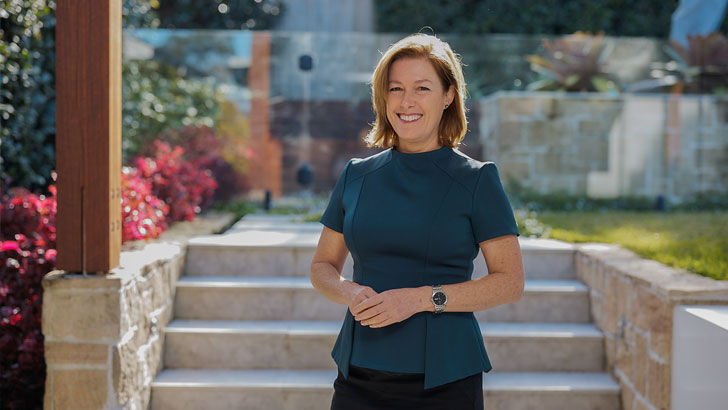
Mansfield says budget constraints mean single buyers tend to opt for one-bedroom apartments.
"Older buyers can be confronted by the number of occupants in a high-rise building, so they often look for more boutique-style apartments," she adds.
Craig Betalli, senior broker at Our Broker Finance, says there are steps singles can take to increase the likelihood of landing loan approval.
First, check your credit record.
This shows how well you've managed debt in the past and it's something you can take a look at for free through the major credit reference agencies, such as Experian and Equifax.
"Your credit file can be tainted in many ways, even by an outstanding payment for a bill that has gone unnoticed after moving home," warns Betalli.
First homebuyers may be able to access the Federal government's 5% deposit scheme.
It can let first-time buyers get into the market with as little as 5% deposit and zero lenders mortgage insurance.
That said, Betalli cautions that borrowing a high percentage of a property's value calls for "the income to support a bigger loan".
He adds, "Singles without significant income may need to look at boosting their earnings through a new job or taking on a second job. It can also help to lean into parental support. Or, if you can work remotely, buying in a regional area may be an affordable option."
Another possibility is Help to Buy - the shared equity scheme launched in late 2025.
Eligible buyers can purchase with a deposit of 2%, and the Federal government chips in to own 30% of your home (40% for new builds).
As Irvine puts it, "The government becomes the life partner to buy your first home with!"
Under the scheme, the government proportionally shares any gains or losses made when you sell your home, or you can choose to buy out the government's equity share.
Forging financial security on one income
While it can seem that the odds are stacked against singles building long-term wealth, there are upsides.
Irvine explains, "You are completely in the driver's seat. You have total control.
There is no partner with different spending habits or conflicting desires to deal with, and every night is money date night!"
Amir Rodnia, financial planner, founder of Rodnia Wealth Partners, and author of Freedom Gameplan, says, "The most important thing singles need is an overarching plan to build wealth."

He adds, "I find clients tend to focus on products - often asking questions like 'Should I invest in cryptocurrencies?' But long-term strategy matters more than products.
"It's important to have a plan that covers the next 10 to 20 years of your life."
Build 'rainy day' cash reserves As Rodnia explains, "Couples typically have some redundancy built into their financial system. If one person's income falls or cuts out completely, a twosome likely has the back-up of a second income.
"Singles do not. That makes it especially important to have rainy day savings."
Aiming for a cash buffer equal to around three months of personal expenses is a good rule of thumb, according to Rodnia.
If that's not possible, plan ahead and have a strategy in place to build that cash reserve.
Set investments on auto-pilot According to Rodnia, automated investing can be super helpful for singles.
"Set aside an amount you can invest regularly, then let the returns compound over time," he says.
Putting investments on auto-pilot eliminates fatigue around decision-making, and as Rodnia notes, most people quickly adjust to changes in disposable income when part of their take-home pay is automatically redirected towards investments.
For auto-investment options take a look at platforms like Moomoo, Tiger Brokers, Webull, Betashares Direct and Sharesies.
When it comes to asset selection, Irvine says broad-based, index-tracking ETFs can offer a low-cost entry point for singles to invest in shares and other asset markets.
Once your portfolio has established a toehold, Rodnia says that it can be worth using personal 'bonuses' - anything from a salary increase to a tax refund, to grow investments and add to your future wellbeing.
Protect your best asset - you Singles can be especially vulnerable to loss of income due to illness or injury.
"There is often no second source of income to rely on if something goes wrong," says Rodnia.
This being the case, he points to three types of personal cover that can be especially important for singles:
- Income protection insurance replaces around 75% of your pre-tax working income, if you can't work because of illness or injury.
- Total and permanent disability (TPD) cover pays a lump sum if a serious illness or injury leaves you permanently unable to work, and
- Trauma cover pays a tax-free lump sum if you are diagnosed with a serious medical condition or injury.
Some types of personal cover may be available through your super fund, meaning the premiums come out of retirement savings rather than today's income.
Or you can buy them directly.
In either case, Rodnia notes, "There are a lot of different nuances around personal protection insurance, and this is an area where it can pay to talk to a financial adviser."
Build a singles safety net
We all need someone we can turn to in an emergency, and as Michael McQueen notes, "Living alone doesn't have to mean being alone."
He says, "As single-person households become more common, I think we'll see people become much more deliberate about creating their own networks of friends, family, neighbours and professionals.
"You could almost think of it as building the infrastructure around an independent life."
How to plan for the golden years
Being single doesn't have to mean you're disadvantaged when the time comes to hang up your work boots.
Nonetheless, as Kate Rolfe, retirement experience lead at Aware Super, observes, "It does mean your retirement income will largely depend on the decisions you make throughout your working life.
The earlier you start paying attention to your super, the more choices you'll have later."

Super is an area where small steps can have a surprisingly big impact over time.
"Contributing a little extra to your super when you receive a pay rise, bonus or tax refund can help grow your balance over time," says Rolfe.
"It's also worth checking that you're not paying fees across multiple super accounts."
The good news is that a growing number of super funds offer a variety of online tools that can help singles get an idea of what their future retirement may look like - and how they can improve the outlook.
Rolfe offers a simple example.
"Imagine Sarah is 45, single, and has $250,000 in super," she says.
"Using Aware Super's My Retirement Planner, Sarah may discover that contributing an extra $50 a week (around $7 a day) could add more than $100,000 to her retirement savings by age 65."
How your super is invested also has a major impact on the value of your nest egg on retirement.
Rodnia explains, "Clients often ask me if Fund A is better than Fund B, but the investment blend you select for your super can be one of the biggest drivers of long term growth for your nest egg."
As a guide, the latest data from Rainmaker Information shows annual returns on a 'growth' option have averaged around 8.5% annually over the past 10 years, compared with 7.0% for balanced options and 4.7% annually for capital stable options.
Estate planning - not to be neglected
Estate planning is no less important for singles than couples.
Melisa Sloan, founder of Madison Sloan Lawyers, says having formal plans in place lets singles decide who is to receive their assets when they die, rather than leaving it to a government formula.
By way of example, if you pass away intestate (without a formal Will) and have no partner or children, Sloan says your assets would pass to your parents in the first instance, then flow on to any siblings, grandparents, aunts and uncles and, finally, any cousins.
That's where an up-to-date Will plays a critical role.
"There are often significant people in your life that you would like to leave assets to, or charities that are important to you," says Sloan.
"Having the power to make decisions about who your assets pass to - and in what proportion - is a lovely legacy to leave."
According to Sloan, having a Will drafted by a solicitor can cost upwards of $900.
While it's an extra cost, Sloan cautions that a do-it-yourself Will "often contains ambiguous instructions that can cause problems".
Other common DIY mistakes include the Will not being correctly executed or not executed in the presence of two witnesses.
If, as a single, you're unsure who to turn to as an executor (responsible for carrying out the instructions in your Will), your solicitor may agree to take on the role, although Sloan says that this service would normally be charged at a solicitor's hourly rate.
Decide who can make decisions for you when you're unable to
"Putting power of attorney documents in place as part of your estate planning is crucial," says estate planning lawyer Melisa Sloan.
"It allows you to decide who will care for you if you can no longer make your own financial, legal, medical and personal decisions in the future.
"We have seen many elderly people appoint a trusted niece or nephew or a trusted younger friend.
In many instances, people elect a friend around the same age, adds Sloan.
"In such instances, we strongly recommend that they appoint back-up attorneys who may be a little younger, so that they are completely covered."
5 money-smart strategies for singles
As Jess Irvine explains, "Living alone doesn't have to compromise your financial health. Take control, think outside-the-box and you can still thrive financially solo."
With this in mind, here are five tips to help you get ahead financially.
1. Take advantage of being the sole decision-maker
As a single you have complete control - no compromising.
Make that work for you by setting clear financial goals and having a plan to achieve them.
2. Pay yourself first - grow emergency savings
Consider asking your employer to redirect part of your pay to a dedicated savings account.
3. Protect your income
Your ability to earn can be your most valuable asset as a single.
Income protection insurance can be a financial lifeline if you can't work due to illness or injury.
The premiums are usually tax deductible.
4. Question all your fixed costs
Make a habit of reviewing and negotiating utilities, insurance and internet costs annually.
Every dollar matters more when you're carrying expenses alone.
5. Embrace the freedom that smart money habits can bring
The key to building financial security is simple. Spend less than you earn. Save the difference.
Use those savings to invest for the long term, and plan ahead to protect yourself from unexpected setbacks.

Case study
Debbie Lawson, 64, has been enjoying solo living for almost a quarter of a century since her marriage ended (with no kids) in 2003.
With careful money management, Debbie has been able to tick plenty of boxes for financial security.
She owns a home on acreage in the NSW Hunter Valley - a property shared with her much-loved horses and, as Debbie puts it, single living means, "I can do what I want, when I want - or I don't have to do anything at all!"
The downside is occasional loneliness, although as Debbie notes, "I have my animals, I work five days a week and I can always phone or catch up with friends." Even so, Debbie admits that living on one income can mean "some things take a little longer to save for or pay off."
This has underpinned a disciplined financial approach that involves sticking to a budget and keeping a close eye on spending.
To grow savings, Debbie uses a pay split, with part of her regular wage automatically directed to a separate savings account used for holidays or unexpected emergencies.
While Debbie has no income protection or life insurance, she relies on other strategies to protect her financial wellbeing.
"I don't take a lot of leave from work," she explains.
"So between my annual and long service leave, I would have around six months' cover if I was unable to work.
I also have enough savings to pay out my mortgage, which gives me a good sense of financial security."
Like many Australians (single or partnered), Debbie's home and super are her only investments, and as her mid-60s approach, she admits to "taking a much closer interest in my super, so that I can understand my options and plan for the future.
Part of that planning involves what Debbie describes as "later in life" matters.
She says, "My older sisters are preparing for their own departures, and they have given me good advice about what they have researched, so it has certainly made me think more seriously about putting things like a power of attorney in place."
While she doesn't have a formal Will at present, this is something Debbie plans to "sort through".
She says, "I intend to leave everything to my nieces and their children, and make sure my assets and belongings go to them."
Get stories like this in our newsletters.