The Tasmanian educator reshaping how teens learn money skills




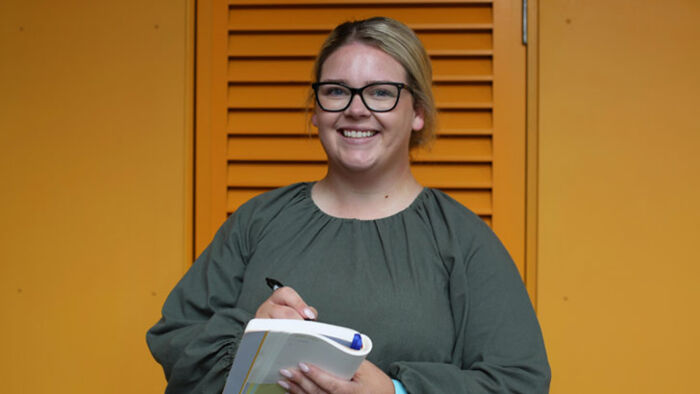
When Alyssia Kennedy - a life skills educator and Tasmanian Young Australian of the Year - left school, she realised she lacked essential life skills such as budgeting.
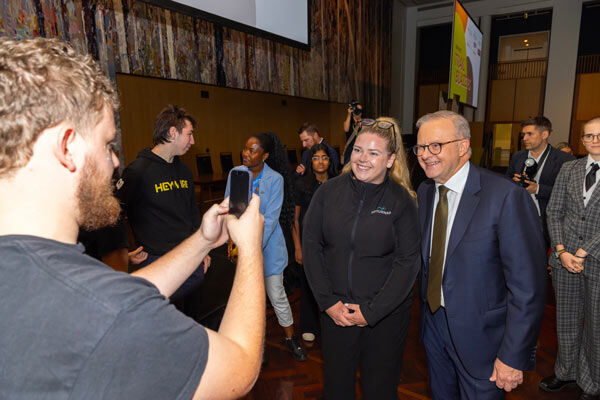
Like many before her, she learned the hard way. Determined to change that, Alyssia founded the Life After School program to bridge the gap between classroom learning and real-world knowledge. She now partners with schools and youth groups to equip young people with tools to transition into adulthood. Her program earned her recognition as a 2025 ABC Trailblazer, giving her the chance to present ideas to policymakers in Canberra. Alyssia's vision and commitment are helping a generation not just survive but thrive in adult life.
Tell me about your early years. What shaped your attitude toward money?
Growing up, money wasn't something that was openly talked about or explained. It was just something you worked for and hoped would stretch far enough.
I learned early that money represented security, but I didn't necessarily understand how to manage it. Like many young people, I left school knowing how to earn, but not how to budget, plan or prepare for the unexpected.
Those early experiences shaped my attitude toward money in a very practical way.
I realised that confidence with money doesn't come from how much you earn, but from understanding how to manage it. That's what later drove me to learn the hard lessons myself and, ultimately, want to help others avoid the same stress.
What was the hardest lesson you had to learn on your own?
It was around managing bills, especially the unexpected ones. I remember my partner and I had purchased a block of land and then received a land tax bill.
We honestly had no idea such a thing existed. That experience made me realise there were probably other bills and costs I wasn't prepared for.
It was a wake-up call that led me to start putting money aside in a savings account, so I'd be ready for the unexpected.
Was there a specific moment that inspired you to turn that challenge into the Life After School program?
The Life After School program started when my old school invited me in to speak about various topics, such as what to expect when you move out of home, the types of expenses that come with renting or owning a home and car expenses.
That session was fantastic, and it opened my eyes to the impact this knowledge could have for future generations.
I remembered how lost I felt when I didn't have this information, and I knew I could make a difference. I didn't want any young person to go through the same uncertainty I did, so I decided to turn that challenge into a program that equips them with practical life skills before they leave school.
How did your own financial experiences (such as budgeting or doing taxes) shape the content of your program?
It has been a learning curve for me over the years and going through various things myself has allowed me to develop content that is real, raw and relatable.
There are a few laughs in there, too, because I haven't always had it together, but certainly glad I have learned these skills along the way.
Sharing my story allows participants to see that we're all human and face challenges, but through the Life After School program, they gain the tools and skills to either navigate those challenges or avoid them altogether.
Why do you think schools often overlook teaching practical financial skills?
Teachers do an amazing job, and I don't want to take away from that. The reality is that the curriculum is already so full that practical financial skills like budgeting and understanding taxes often don't get enough space. Some schools do cover this, but it depends on the teacher and how it's delivered.
That's where programs like Life After School can help. We support teachers, provide a different voice and offer students a new way to engage.
I've found that students don't always listen to parents or teachers (like a record on repeat), and I don't expect them to always listen to me either, but I have had some great conversations that show they have taken something away from the program.
What's the biggest misconception young people have about money when they leave school?
One of the biggest misconceptions young people have when they leave school is around how much money they will be paid and how much they can save when they move out of home.
A lot of the time, students discuss the excitement of moving out of home, whether that's for university or to take the next step into adulthood. What they don't realise is the real-life costs and how much they need to earn to have a roof over their head and food on the table.
When we go through budgets in the program, most of the students go well over their budget and they have still forgotten to add in things such as fuel or insurance. I then talk about living within their means and what steps they may take to ensure they can pay for their rent, for example.
What are the top three financial skills every young person should master before leaving school?
- Budget and track what's coming in and what's going out. Manage the expenses and live within your means.
- Understand different types of debt, credit and contracts. Be well informed before making any big decisions.
- Understand how super works and how important it is for your future self.
If you could add one life skill to every school curriculum tomorrow, what would it be?
It would be budgeting. Honestly, it's such an important tool that everyone should be using.
It's often underrated, but when you understand how to plan, track and manage your money, it becomes a powerful support for making decisions and reducing stress.
What's been the most rewarding feedback you've received from a student or parent?
I speak with so many young people and parents who've been part of the program, and it's moments like this that show the impact we're making.
Just recently, two students came up to me to thank me for running the session. They said they understood the content and that it made it easier for them to think about what's next.
They even mentioned wanting to learn more about superannuation and felt more prepared by going through the budgeting activities. Moments like that show me we're making a difference.
What's the best money advice you've ever received? Did you follow it?
It was 'put money into your superannuation'. I didn't follow it at first, but now I do. I have seen a difference in my balance but my predicted balance has changed a fair bit.
I don't know what the future will look like when I retire, so I want to ensure that I have enough to live comfortably.
What's one piece of money advice you'd give your 16-year-old self?
I wish I had started saving money at 16. Even small amounts add up over time and developing that habit sooner would have made managing unexpected expenses and planning so much easier.
Please finish this sentence: Money is good for...
... Money is good for investing in your future, not just spending today.
Get stories like this in our newsletters.