The family cars now hit by the Luxury Car Tax




The Luxury Car Tax (LCT) saw significant changes from July 1, 2025, with a number of mainstream family cars now falling foul of new rules.
The federal government applies LCT to passenger vehicles that have a list price of more than $80,567 (before on-road costs and options/accessories) for "Other Vehicles" that are not classified as "Fuel-efficient" - those models have a higher threshold of $91,387.
In previous years the LCT thresholds have increased in line with inflation, but for the new financial year from July 1, 2025, the dollar figures remained the same, with LCT charged at 33c per dollar spent over the threshold limit.
However, there has been a big change to what constitutes a "fuel-efficient" vehicle under the legislation, with the government adjusting the description to make it significantly harder for regular cars to meet the requirement.
From the ATO: "From 1 July 2025, a fuel-efficient car is defined as a vehicle that has a fuel consumption that does not exceed 3.5 litres per 100 kilometres as a combined rating under the vehicle standards in force under section 12 of the Road Vehicle Standards Act 2018."
Previously vehicles needed to have fuel use of 7.0L/100km or less to meet the standard - with this jump meaning a number of new cars now fail to meet the requirement.
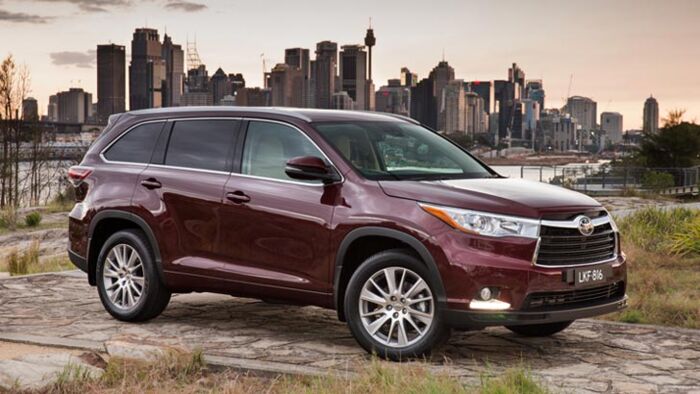
An example is the $85,135 Toyota Kluger Grande Hybrid - which was previously classed as "fuel-efficient" with an official fuel consumption figure of 5.6 litres per 100km - and now doesn't meet the requirement, and therefore means mums and dads will have to fork out more for the high-grade family seven-seater.
Another car that costs more now than it did before is a Lexus NX 350h hybrid, with a fuel use number of 5.0L/100km - hardly a gas guzzler. But buyers will have to fork out an extra few grand to get into one of those due to this change in conditions.
There are examples of vehicles that do meet the new strict obligations.
The plug-in hybrid (PHEV) Mazda CX-80 GT P40e ($84,048), for example, has an official fuel use number of 2.7 litres per 100km, because it has a large battery pack that allows electric-only driving.
However, there are no vehicles on the market in Australia that have a fuel use figure of 3.5L/100km (or less) that don't have some form of electrification - they're mainly PHEVs, and they typically have outlandishly low combined cycle fuel use figures.
We won't get into the misleading nature of "official" fuel consumption numbers here, but just know that there are now dozens of vehicles that have become more expensive because of the change in calculations, from those family SUVs to luxury models from Audi and BMW.
And if you're thinking that fully electric cars are exempt, think again; they fall under the fuel-efficient vehicle categorisation.
The Luxury Car Tax was designed as a protectionist measure to try and shield the Australian car manufacturing business, launching on July 1, 2000. It continues to hit new-car customers to this day, despite the fact that the final Australian-produced car rolled off the assembly line at Holden on October 20, 2017.
Get stories like this in our newsletters.


 Reply
Reply