The camping gear worth your money, and what to skip




From $25 stoves to $800 portable fridges, camping gear can add up fast, but spending more doesn't always mean a better trip. A former camping store manager breaks down what's worth buying, what to skip, and how to camp comfortably on any budget.
Many moons ago, I managed a camping store.
And it was around this time of the year I would be busy building the ultimate camping display.
Customers, drawn in by long weekends and gift ideas, would get lost in the aisles bewildered by the outdoor gadgets: pop-up fire pits, camping espresso makers, solar phone chargers, you name it.
While the bells and whistles are nice, my job was to show them a vision of the weekend when they walked through the door.
Here's how to get started, depending on your budget.
What camping gear do you actually need?
Every trip comes down to a few essentials:
- Shelter
- Sleeping gear
- Food storage and cooking
- Lighting
- A comfortable place to sit
How much you spend on each will shape your experience, but smart choices matter more than price.
Tents and swags: what should you spend?
Budget ($): $13 to $200
Nothing ends a trip faster than a leaking tent.
Check the waterhead rating:
- Aim for 1500mm+ (fly)
- Aim for 2000mm+ (floor)
A budget option like Oztrail's Dome range can work well under $200.
A basic $13 Kmart tent, rated at just 450mm, is fine for backyard use, but risky in real rain.
Smart tip: Always check the forecast if you go ultra cheap.
Mid-range ($$): $200 to $500
This is the sweet spot for most campers.
- Dome tents offer space and weather protection
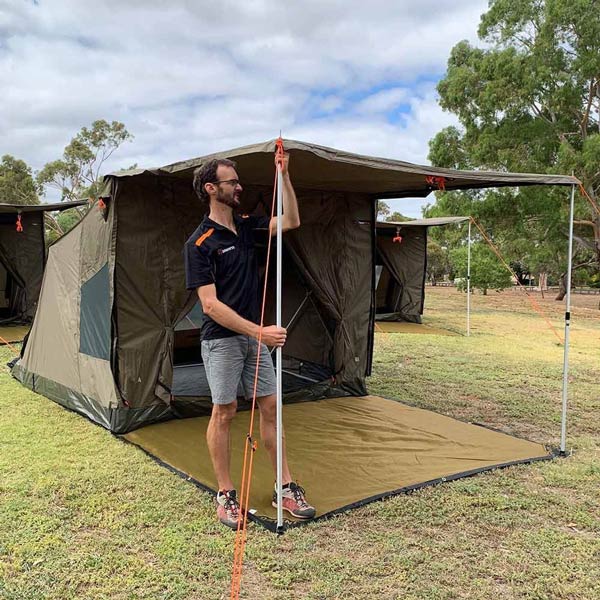
- Instant-up tents save serious setup time
Watch out for sizing claims. "Sleeps six" usually means six very cosy people.
If you'd rather skip the pegs and poles, Coleman's Instant Up range works well. The Oztrail Pop Up Pod is even faster.
On rainy school trips in WA's southwest, I relied on the Wanderer Magnitude Dome - sturdy, weather-proof, roomy.
Smugly, I stood watching mine spring up in seconds while my mates sweated over poles - but we never figured how to pack it away.
That tent rode five hours home on a bus, still fully set up.
Smart tip: Always ask to see how a tent packs down before buying.
Premium ($$$): $600+
I still use my Australian-made Burks & Wills Grampian swag from high school, proof a quality swag can last decades. The new model sells for $649.
For bigger setups, the Oztent RV range offers a rock-solid triangular frame with 30-second pitch time. Blackwolf's Turbo series is another canvas option, though both are heavy unless you've got a roof rack.
Rooftop tents push luxury further with built-in mattresses, lighting and the best sunrise views... if you're willing to pay.
Trade-off: Weight and cost increase quickly.
Sleeping gear: how to avoid a bad night
Getting a decent night's rest can make or break a camping trip. A good mattress and sleeping bag are just as important as the tent.
Budget ($): under $100
Blow-up mattresses are popular and are also great for home use, but in my eight years at a camping store they were the number one return. Most failures came from overfilling: stop at 80-90% so seams don't stretch.
The other issue was pumps. Too many people bought 240V models, then had no way to use them in the bush. A hand pump works, or a 12V pump like the Coleman QuickPump plugs straight into your car. If you must have 240V, the Dometic 150W Can Inverter ($82, Caravan RV Camping) is a good fix and doubles as a phone charger.
Foam roll mats are a budget backup, sold at Kmart, Anaconda and BCF.
For sleeping bags, kids can handle a Wanderer LilFlame +10°C ($39.99, BCF) in the warmer months. For cooler nights, the Kings Hooded Sleeping Bag rated to -2°C ($59, 4WD Supacentre) is a solid budget choice.
Mid-range ($$): $100 to $300
Self-inflating mats are the sweet spot for comfort while being less prone to leaks. Just unroll, open the vents and the foam expands. The Kings Queen-Sized Self Inflating Foam Mattress ($249, 4WD Supacentre) is roomy and practical. Just remember to do the first inflation at home as vacuum-packed mats can take up to an hour.
Cold campers should look at the Oztent Redgum HotSpot Heated XL Sleeping Bag ($249, Snowys), which comes with reusable pads that heat up following a chemical reaction.
Important: First inflation can take up to an hour. Do it at home.
Premium ($$$)
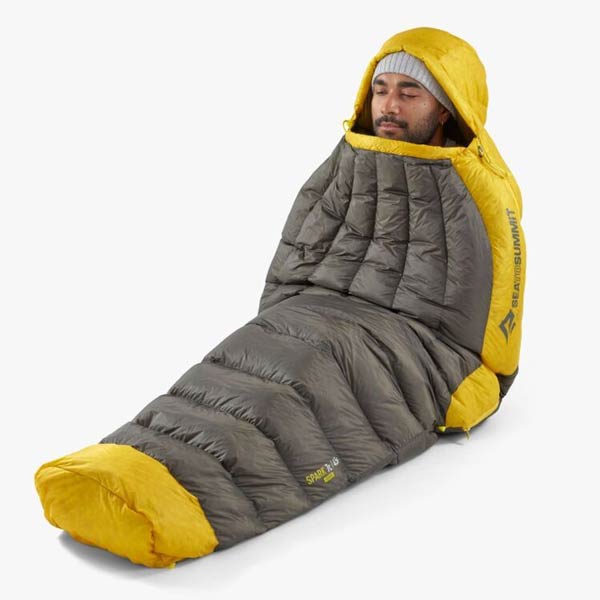
Sleeping bags - like the Sea to Summit Spark 850 -1°C ($649.99, Anaconda) or Kathmandu's Zenter -8°C ($699) - swap synthetic materials for goose or duck down feathers. These high-end models prioritise warmth with minimal weight.
Add the Sea to Summit Comfort Deluxe Self Inflating Mat ($499, Snowys) and you're as close to a real bed as you'll get outdoors.
Best for: Regular campers or cold climates.
Camping chairs: are expensive ones worth it?
Once the tent's up and the beds are sorted, it's time for the best part of camping: sitting by the fire. The chair you pick matters more than you think; it's where you'll spend hours eating, chatting and unwinding.
Budget ($): under $50
Under $50 will get you the basics from Kmart or Big W. Options range from classic cooler armchairs to moon chairs, directors' chairs and simple recliners. They're fine for a weekend away, but don't expect them to last years of use.
Mid-range ($$): around $100
Anaconda's Dune and BCF's Wanderer brands dominate this range.
The Wanderer Premium Cooler Arm Chair with Wine Holder ($99, often on sale at BCF) was the single most popular item I saw in my time at the store. Pallets of them would disappear in a day.
Other standouts include the Dune 4WD Deluxe Lounge Recliner and Dune 4WD Directors Chair with Side Table.
My personal pick is the Oztent King Goanna Chair, with adjustable lumbar straps that support your back after a long day.
Premium ($$$): $200+
If you want to splurge, the Oztent Mawson Chair Series II and the YETI Trailhead Camping Chair both deliver serious comfort and durability.
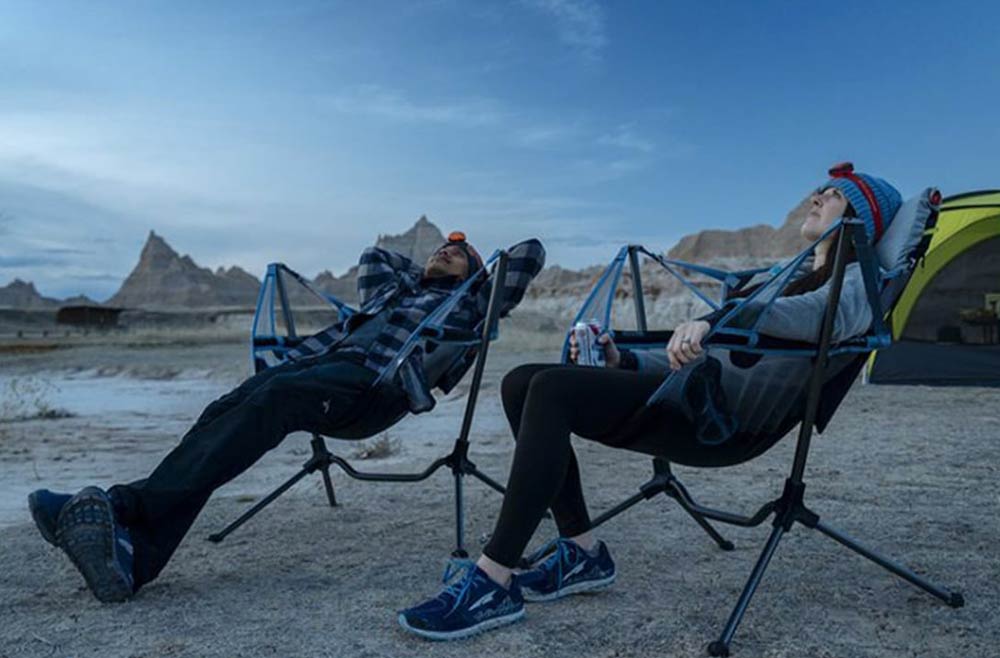
At a recent getaway in the NSW Southern Highlands, I tried the Nemo Stargaze Reclining Camp Chair.
True to its name, it let me rock back and watch the stars in total comfort, which was easily the most memorable seat I've ever used around a fire.
Reality check: This is where you'll spend hours, so comfort matters.
Food storage: Esky vs icebox vs fridge
Under the harsh Australian sun, proper food storage is a must. How you tackle it depends on whether you're away for a weekend or going bush for weeks.
Budget ($): Esky (from $30)
There's a reason the brand became a verb.
A solid Esky (or 'cooler' by other brands) with ice packs or frozen water bottles is fine for a short getaway or a mate's barbecue.
Go for anything over 26 litres if you want to slip in a bottle of wine.
Look for thick insulation and a drain plug to make life easier when the ice inevitably melts.
Mid ($$): Icebox (from $200)
Stay longer and you'll need more muscle. Iceboxes from brands like Dometic or Evakool will keep things cold for several days.
A 43L Dometic can push towards 10 days of cooling if you pre-chill everything and use block ice instead of party cubes.
They're built tough and come in all sizes, from small shoulder boxes to giant 111L chests. But it's not by litre in how you compare iceboxes - each one will have a drink capacity rating. The largest Dometic size holds 180 cans.
Closer to the $500 mark you'll find Yeti's Tundra range, which offers heavy-duty hinges and latches that won't snap mid-trip.
Example: A 43L unit can last up to 10 days in the right conditions.
Premium ($$$): Portable fridge/freezer (from $500-$1600)
Forget Ford and Holden. The real Aussie divide that splits families is whether you're an Engel or Dometic (Waeco) fan.
These portable fridge/freezers are perfect for campers who go off-grid and want to keep fresh food properly cold. Running off your car battery or a solar setup, a 12V fridge removes the daily scramble for ice.
I remember a trucker rolling in from the red dirt past Kalgoorlie, lugging a box so banged it up it looked like it was used in an episode of MythBusters. It was an Engel from the 1980s, and it was still trucking along. Turns out he just wanted a cover.
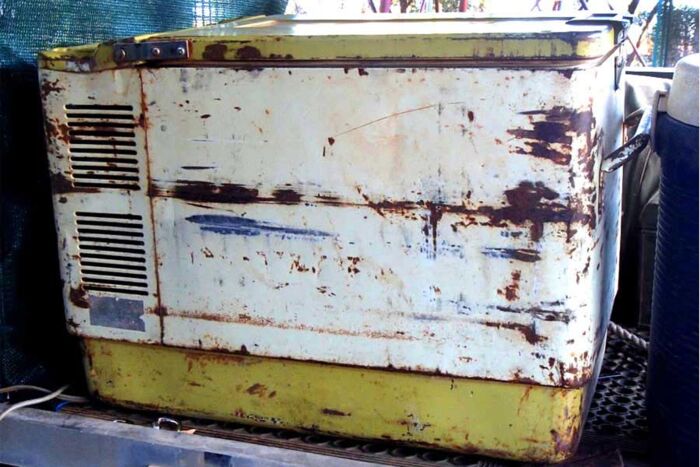
Engel's secret is its Sawafuji swing motor, built for off-road use with just one moving part. It often outlasts its five-year warranty.
Dometic is the newer player, with more sizes and arguably better tech, including a three-stage battery protection system that stops you stranding your car with a flat.
Dometics are cheaper and lighter, but Engel diehards swear by its reinforced steel build. Either way, it's money well spent if you're out for more than a few nights.
Cooking gear: what's safest and most practical?
Camp cooking can be as simple or sophisticated as you like.
Some people are happy with instant noodles, others won't leave home without their cast iron skillet.
The trick is finding the balance between portability, fuel efficiency and how much effort you actually want to put in after driving or hiking all day.
Budget ($): Butane gas stove (from $25)
These little single-burner stoves are the entry point for most campers.
Light, cheap, and compact, they'll boil water for your coffee or fry up bacon and eggs without fuss.
Butane canisters are easy to find, but safety matters. Every so often you'll see recalls or reports of explosions from dodgy models or misuse.
Before you light up, check the canister for rust or dents, only use the correct size can, and never cook in an enclosed space. On hot days, keep your spare cans out of direct sun. Anything over 50 degrees and pressure builds quickly.
Mid ($$): Two-burner LPG stove (from $80)
If you're cooking for a family or just want more flexibility, step up to a two-burner. These stoves run on larger gas bottles, give you the grunt to cook multiple dishes at once.
Anything with a BTU rating over 10,000 will handle most camp meals; and ensure you buy one with a Piezo ignition so you're not fumbling with matches.
After countless trips across WA's southwest, I can confirm wind shields are essential - otherwise the Fremantle Doctor will have your sausages cold before they're cooked. Drip trays also save a lot of mess.
Just remember, not all gas bottles are equal.
Smaller 2-3L bottles often use 3/8" fittings, which are compatible with most two-burner stoves. Larger gas bottles have POL connections so check before you head bush or risk a hungry first night.
Premium ($$$): Portable Weber BBQ (from $330)
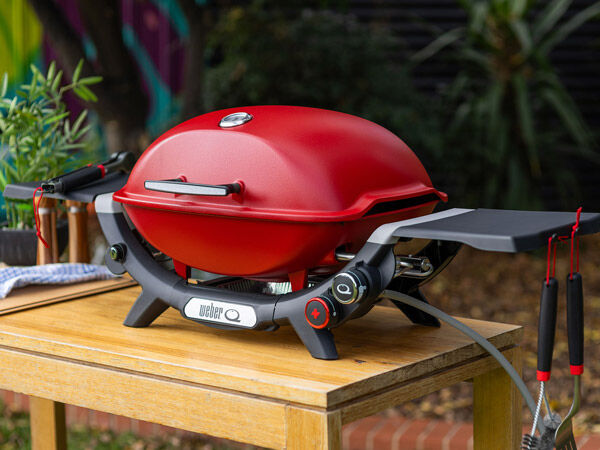
For the campers who like their meals a little fancy, it's hard to beat the Weber Q. Think of it like Apple's iPhone strategy or Dyson's vacuums: just a few models, but endless accessories.
Hot plates, rotisseries, pizza stones, smoker boxes, thermometers - you can customise it to cook almost anything.
Over seven years at BCF I can count on one hand how many came back faulty, which says a lot about their reliability.
They're bulkier than a stove and take up more room in the car, but if you love the idea of roasting a chicken or baking a pizza in the bush, nothing else comes close.
Trade-off: Takes up more space
Lighting: what works best at camp?
Once the sun goes down, good lighting makes all the difference, whether you're cooking, reading, or navigating your way to the loo.
Budget ($): $15 to $50
Cheap, cheerful, and usually running on AAA batteries, these are the entry point for most campers.
A $15 torch-and-headlamp combo can get you through a weekend.
Headlamps keep your hands free for cooking or setting up the tent, while small LED lanterns hang overhead like UFOs, giving just enough light without blinding your mates.
Stock up on spare batteries and you'll be fine.
Mid-range ($): $60+
Step it up and you'll find far brighter, longer-lasting options.
Rechargeable camp lights from brands like Coleman or BioLite charge through USB, often come with multiple brightness settings, and some double as power banks for your phone.
Around the campsite, LED strip-light kits are another popular choice.
Plug them into your cigarette lighter or a small battery pack and they'll light up awnings or gazebos with ease.
Wanderer sells kits from about $70, and plenty of modern rooftop awnings now come with strips pre-installed.
Premium ($$): $200+
If you want serious performance, LED Lenser makes some of the best headlamps and torches on the market.
And they're not just for campers; tradies swear by them. Top models can throw a beam up to 330 metres, cost close to $700, and even link to your phone via Bluetooth so you can fine-tune the light.
On the other end of the spectrum, solar lighting systems are a smart choice for longer stays.
A panel, battery and multiple light sources will keep your camp lit night after night without a single disposable battery or charging station.
Perfect if you're setting up for a week or just want to tread lighter on the planet.
How to save money on camping gear
Online retailers like Amazon and Temu make it easy to order gear, but when it comes to camping, nothing beats seeing it in person.
Testing how heavy an Engel is or seeing the difference between the gas connections can save you a lot of regret later.
Still, there are ways to cut costs:
- The Entertainment Book includes discounts at retailers like Big W, which stocks basic camping gear.
- ShopBack partners with Caravan RV Camping and Anaconda, offering cashback on purchases.
- Consider renting gear. Overnight Adventures delivers (and collects) camping kits Australia-wide. Packages start at $295, with a family setup from $495.
Happy camping.
Last updated June 2026.
Get stories like this in our newsletters.