Woolworths hikes Everyday Extra subscription cost




Woolworths loyalty program moves to monthly subscription model, Jetstar to charge for bags in overhead lockers, and HSBC exits retail banking in Australia. Here are five important money stories you may have missed this week.
Woolworths shoppers hit with another price hike
Everyday Extra members are facing higher costs as the supermarket moves to a monthly subscription model.
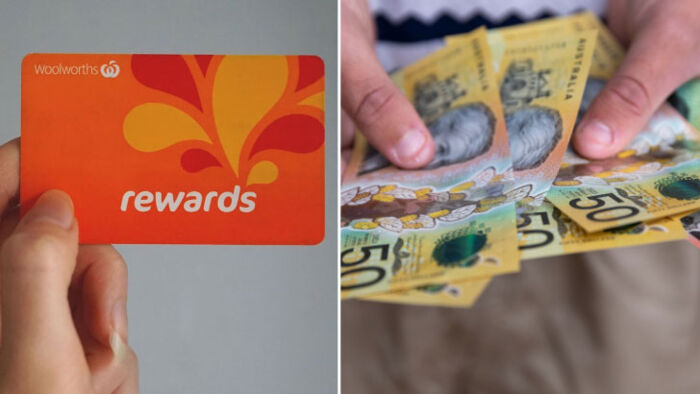
Woolworths is phasing out the annual fee for its Everyday Extra loyalty program in favour of a monthly subscription model.
Existing members will remain on their current plan until their annual subscription expires, after which they will need to switch to the monthly option or opt out.
Everyday Extra offers shoppers the chance to save through:
- 10% off one shop per calendar month at Woolworths, and
- Double points at Woolworths and BIG W.
A Woolworths spokesperson told Money, "From July 30, 2026, Everyday Extra will only be offered via a monthly plan of $7 per month. The annual plan option will no longer be available. All the subscription benefits remain exactly the same."
But with members set to pay 20% more for the same benefits, many Woolworths shoppers are unhappy.
As Reddit user VantageXL reminded everyone, "When Everyday Extra first launched a few years ago it was just $59/year (sometimes $35 during a promotion), the 10% discount also worked at Big W and you received 3x points instead of 2x points. I wonder what the next 'enhancement' will be. Maybe they'll just scrap it entirely."
The free Woolworths Everyday Rewards program boasts more than 14 million subscribers.
"FFS. I hate monthly subs," said one Reddit user.
"Me too. See ya later everyday rewards! I'm shopping at Aldi mostly anyway," added another.
Jetstar to charge for overhead carry-on luggage from 2027
Passengers could pay up to $52 extra per flight to store bags in overhead lockers.
From February 2, 2027, Jetstar will scrap its current free 7kg carry-on limit.
Instead, it is introducing 'Priority Carry-On'.
This will see passengers pay upwards of $25 for each domestic flight, and as much as $52 per international flight for luggage stored in overhead lockers.
There will be no cost for a laptop, handbag or small backpack that can be stowed under the seat.
Jetstar is trying to put a positive spin on the new charges, saying passengers who pay for overhead luggage will have priority boarding.
However, for a family of four holidaying in Japan, the overhead luggage fee could add an extra $400-plus to airfares - and that's just based on the fare from Cairns to Tokyo, let alone connecting domestic flights.
The reaction from travellers has been mixed.
As Reddit user Numerous_Problems points out, carry-on allowance has been abused for years.
But another - theparrotofdoom, says "One day, they'll figure out a way to charge us for the luxury of having wings on the plane, or stairs to get onto the plane."
Jetstar says it will no longer routinely weigh passengers' bags before boarding following the introduction of Priority Carry-On
That said, customers will need to keep their bags to 10kg in weight so they can lift the luggage themselves.
Travellers with existing bookings after February 2, 2027, will be upgraded to include Priority Carry-on at no cost.
HSBC to exit Australian retail banking after 40 years
More than 90,000 home loan customers will eventually be transferred to a new lender.
What happens if my home loan lender shuts down? It's a question plenty of mortgage holders ask, and around 91,000 Australians who have a home loan with HSBC are about to find out.
After 40 years of banking in Australia, HSBC is calling time on its local retail banking operations.
HSBC will sell its $36 billion portfolio of Australian home loans and personal loans to Blackstone, the world's largest alternative asset manager, with Pepper Money set to manage the loans on a daily basis.
All this is expected to happen in 2027.
For now, HSBC says its customers can continue to bank as normal. No action required at this point.
HSBC claims it is bailing out of its Aussie retail operations as "part of the ongoing simplification of the HSBC Group".
Still, it goes to show how hard it can be for foreign banks to crack into the lucrative Australian mortgage market.
Another major international bank - Citibank, sold its retail business to NAB in 2022.
Low-income Australians to benefit from new bank fee protections
Banks will be required to move eligible customers into cheaper accounts unless they opt out.
Back in 2024 the Australian Securities and Investments Commission unearthed a scandal that saw more than 150,000 low income and First Nations customers pay $6 million in bank fees over a year.
This was despite many account holders being eligible for a basic, low-fee account.
As the saga unfolded, the Commonwealth Bank dug in its heels and refused to refund excessive fees charged to low income customers (those relying on Centrelink for income).
However, the Australian Competition and Consumer Commission (ACCC) has just issued a landmark ruling requiring banks to proactively move eligible customers into low or no-fee accounts unless they choose to opt out.
ACCC deputy chair Mick Keogh says, "These conditions will help more eligible Australians access lower-cost banking products and avoid bank fees that significantly impact people on lower incomes.
"We want banks to do more than simply make these accounts available. They should actively identify customers who may benefit and make sure they are aware of their options."
Consumer Action Law Centre CEO Stephanie Tonkin, describes the ACCC's move as "a common-sense decision that will put money back into the pockets of people who can least afford to lose it."
She adds, "For too long, thousands of low-income Australians, pensioners and concession card holders have languished on inappropriate bank accounts simply because they faced barriers to switching or didn't know a cheaper option existed."
Sydney drivers to save on tolls
Motorists using the M2, M7 and Lane Cove Tunnel will see lower charges from 2027.
Sydney motorists grappling with 13 different toll roads, can expect a reprieve of sorts - though not until mid-next year.
From July 2027, motorists using the Lane Cove Tunnel, M2 and M7 will be able to save up to 10% on current tolls.
Motorcyclists will pay 50% less on all motorways progressively from 1 July 2027, and tolls on the Cross City Tunnel will reduce by 20% when the Western Harbour Tunnel opens in 2028.
John Graham, NSW Minister for Transport, admits the toll savings are "modest".
However, he says Western Sydney motorists have been copping a "raw deal" for some time, and adds "we've levelled the playing field with the price reductions and a toll cap that means regular users won't spend more than $50 a week on tolls."
Two of Sydney's key toll roads - the WestConnex and NorthConnex, are not listed among the roads to see lower tolls.
Get stories like this in our newsletters.