Your super could be missing and you may not know it




The ATO has recovered $1.1 billion in unpaid super for Australian workers. Here's how to check whether some of that money could be yours.
Australian workers were reunited with more than $1 billion in unpaid superannuation in the 12 months to June, according to the latest data from the Australian Taxation Office (ATO).
In total, $1.13 billion worth of unpaid contributions was deposited into the super funds of 909,000 people during the 2025-26 financial year.
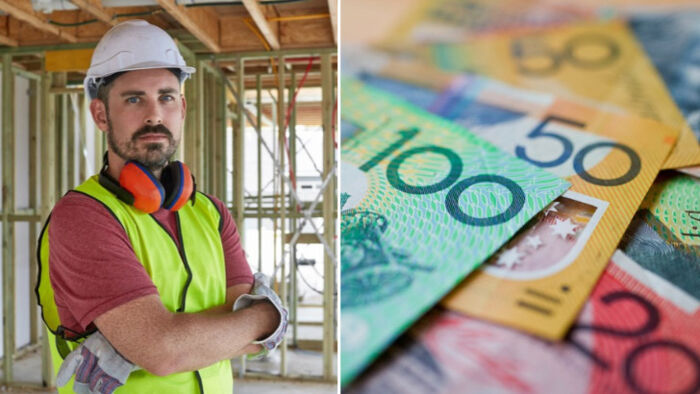
The ATO says the scale of the recovered funds is reflective of its efforts to engage with employers and, where necessary, take action to ensure that superannuation guarantee payments are made.
"Paying the super workers are entitled to is non-negotiable," says Ben Kelly, deputy commissioner at the ATO.
"We know the vast majority of employers do the right thing, with nearly 93% of super guarantee obligations being met without any ATO intervention.
"However, for a small proportion of employers who chose not to act following our prompts, we have used firmer compliance activities and raised almost $250 million in penalties."
Has payday super started making a difference?
On July 1, payday super reforms came into effect, legally requiring employers to pay superannuation to their employees at the same time as wages.
Whether that's on a weekly, fortnightly or monthly basis, the contributions generally need to be deposited into an employee's fund within seven business days.
These changes, the tax office says, are helping more employers meet their super obligations.
And early data suggests that the reforms are already benefiting employees too.
Nearly seven million workers who previously received quarterly contributions are now getting them every month, fortnight or week, according to a recent analysis conducted by the Association of Superannuation Funds of Australia (ASFA).
Thanks to the contributions being invested sooner, ASFA estimates that a 25-year-old worker on the average wage will have $5000 more in retirement.
How to check for unpaid super
The introduction of payday super and greater enforcement from the tax office may be helping to reduce instances of unpaid super, but the issue is unlikely to go away altogether.
So, what can workers themselves do to ensure that they're getting the super they're owed? For most, that will be the equivalent of 12% of their eligible earnings.
Simone Van Veen, chief member officer at Rest, says that the simplest thing people can do is get into the habit of regularly checking their super, in the same way they would their pay.
"Look at the super recorded on your payslip, then check your super account to make sure the money has arrived.
"Depending on your fund, you can usually do that through its member portal or app, or through the ATO online services in myGov."
The benefit of regularly checking your super goes beyond the here and now though, Van Veen explains.
"Super is your money, and missing contributions can make a difference over time. Once your super reaches your account it will be invested, and over time your investment returns can compound."
Where to get help recovering unpaid super
Should you suspect that super hasn't been paid in the past, or that your latest contribution hasn't arrived on time, it's best not to assume the worst.
"If something doesn't look right, start by speaking to your employer and checking which fund they're paying your super into and how much they're paying," Van Veen suggests.
"If you've taken those steps and still believe you haven't received super you're entitled to, you can report unpaid super to the ATO."
To do that, you can use the dedicated unpaid super contributions reporting tool from the ATO.
You will need to provide some details in the report though, including your tax file number, your employer's Australian business number and the timeframe involved.
The ATO does warn workers that the process can take some time and that not every report will result in super being recovered.
Get stories like this in our newsletters.