Diary of an ETF Beginner: What a $13 roast chook taught me




Why is a Woolies roast chook suddenly $13? Following the answer led me down a rabbit hole of inflation, interest rates and what really moves ETF markets.
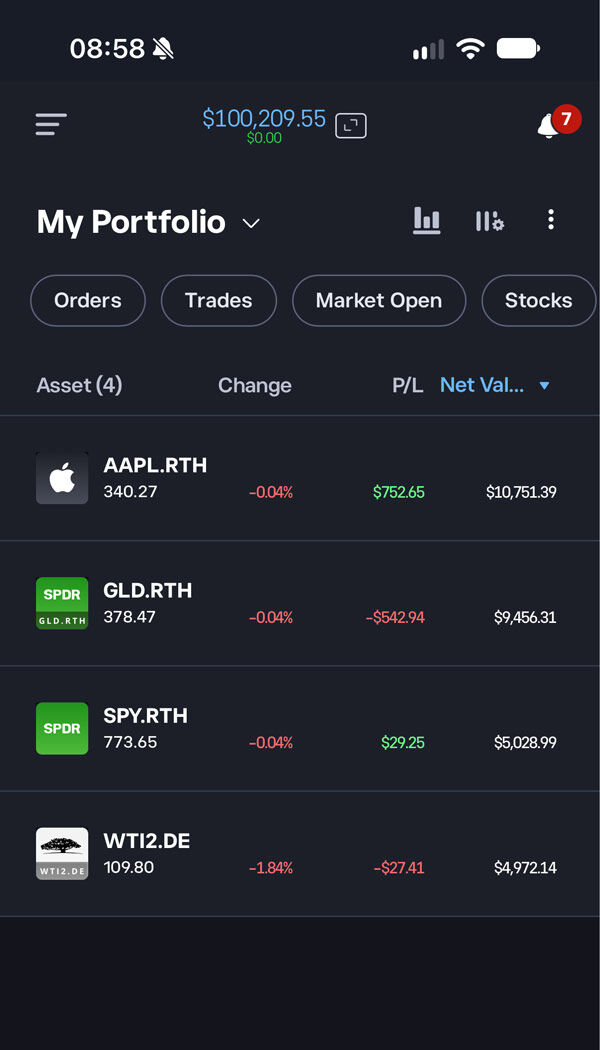
If there's one major takeaway from my ETF journey so far, it's that the market is sensitive. Just as my portfolio began looking healthy and green, an external factor - in this case, yet another interest rate hike from the RBA - shifted things overnight.
That's left me with some questions. How much can global events affect my portfolio? Why does an RBA rate decision move markets so much? And when did Woolworths jack up the price of a roast chook to $13?!

While I can't explain the rising cost of supermarket poultry, diving into the eToro Academy has at least helped me make sense of market volatility - and how to start choosing the right ETFs out of the overwhelming sea of options.
Up until now, I'd mostly been focused on which ETFs to buy. What I hadn't paid much attention to was the bigger picture, the economic forces that move markets every day.
The economy: RBA decisions, CPI announcements and unemployment rates
I'll be honest, when my investing journey kicked off, I didn't think I'd need to worry too much about finance terms like "RBA decisions" or "CPI numbers", but they can have a big impact on the market.
RBA announcements
When the RBA changes interest rates, it impacts what people and businesses spend.
Higher rates mean higher loan repayments, so companies might make less profit - which can cause share prices (and the ETFs holding them) to drop. Right now, the cash rate is at 4.60%, the highest it's been since 2011.
As a beginner investor, it was one of the first times I'd seen a major economic announcement flow through to my own portfolio.
CPI (inflation) reports
The Consumer Price Index (CPI) is like the price tag on our cost of living - it measures household inflation. If it's high, everyday items (like a roast chicken) get pricier.
Unemployment rates
If unemployment is super low, it means the economy is healthy, but it can also mean people have more money to spend, driving up inflation. Rising unemployment on the other hand, is typically associated with a recession.
All of these can trigger market shifts and that's a good thing for me to remember when my portfolio is having a bad day - or week - it's probably just the market reacting to big news.
Where I stand right now
- 💰 Started with: $100,000
- 📈 Invested so far: $30,208.83
- 🏦 Current portfolio value: $100,209.55
- 🎉 Gain to date: +$209.55
- 💵 Cash still waiting to be invested: $70,000.72
How major global events affect ETFs
One thing that surprised me is how much events overseas can affect investments sitting in my Australian portfolio.
Major events like war overseas, trade tensions between major nations, or an election in the US can impact the market and lead to chaos in the stock market.
Investors might scramble to panic-sell risky shares and go for something historically stable like gold, which has ironically dropped in value recently - my State Street Gold ETF (GLD.RTH) is down, while my broader SPDR S&P 500 fund (SPY) is bouncing back after a few weeks in the red.
I assumed gold would always rise when markets got nervous. Instead, I've learned that even traditional safe-haven assets can fall in value depending on what's happening with interest rates, currencies and investor sentiment.
A few months ago, all I knew about ETFs was that they're an investment fund comprising a bucket of assets.
What I didn't know was just how specific they could get, or that there's an exchange-traded fund for just about anything these days, even extremely niche subjects.
Uranium fan? There's an ETF for that. Interested in European defence and aerospace companies?
There's an ETF for those too. You can even find AI-themed ETFs these days - funds that bundle up chip makers, robotics companies, and software developers all into one package.
For better or worse, AI is creeping into our lives from every angle (and growing too quickly if you listen to some experts) and while I already have some exposure thanks to my SPY ETF, which includes big-tech leaders like Nvidia and Microsoft, I think it might be worth buying into an ETF that specialises in AI. (Update: I did!)
The more I learn, the more I realise investing isn't just about picking the right ETF. It's also about understanding the forces that move markets in the first place.
What I've learned so far
- Markets react quickly to economic news.
- Global events can affect Australian investments.
- There is an ETF for almost everything.
- Niche ETFs can be more risky than broad-market funds.
- Not every investment trend is worth chasing.
How to know if an ETF is a good buy
Investment platforms launch new ETFs all the time, so it can be very tempting to jump on the latest new thing... or whatever's trending on social media.
According to the Academy, there are few questions you should ask yourself before you hit buy, such as what your investment goals are, what's actually inside the ETF (is it full of profitable companies or startups that haven't made any money) and what the fees are (if any): ETFs usually have lower fees but niche or thematic ETFs often charge higher management fees than simple, broad-market ones.
Questions I'm asking before buying an ETF
- Do I actually understand what this ETF invests in?
- Does it fit my long-term investment goals?
- Is it broadly diversified or focused on a single theme?
- What fees will I be paying each year?
- Am I investing because it's popular, or because it makes sense for me?
It's easy to get "shiny object syndrome" when a new fund launches but I'm still a beginner so jumping into an unproven, super-niche ETF is a recipe for disaster - or at the very least, unnecessary stress.
Catch up on Diary of an ETF Beginner
Get a free stock worth US$50
Exclusive for Money readers: Deposit US$50 through eToro and receive a stock worth US$50 added to your investment portfolio.
Get stories like this in our newsletters.