Downsizing mistakes that could cost you thousands




What looks like clutter could be worth serious money. Here's how to avoid costly mistakes when downsizing and clearing a home.
Bob Morton, co-founder and chief executive of The Property Clearance Company, helps Australians uncover hidden value when downsizing or clearing estates.
From forgotten collectables to overlooked valuables, the stakes can be higher than many expect.
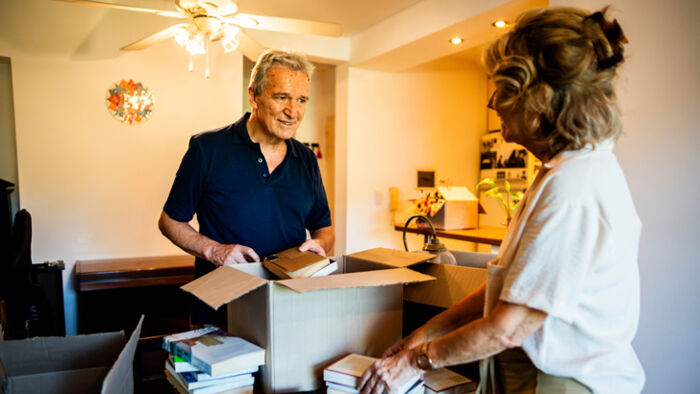
Here are six expert lessons to help you avoid costly mistakes and spot what's really worth money.
1. It must be emotional and overwhelming helping to clean out a loved one's home. What's the most common mistake you see people make?
The most common mistake is starting without a clear plan.
In the emotional aftermath of a loss or major life transition, it is easy to begin sorting without deciding the desired outcome.
Without that clarity, the process quickly becomes overwhelming.
Another issue is confusing sentimental value with financial value.
Many possessions carry deep meaning, but that does not always translate into market value. When the two are conflated, decision-making slows and stress increases.
People also tend to delay the process. While this is often well-intentioned, delays can lead to items deteriorating, especially in Australia's climate, reducing their resale value.
The most effective approach is to start with a clear plan, separate emotion from value, and move forward in a structured and timely way.
2. Can you give us a plan of how the company approaches a house to be cleared?
Every clearance begins by defining the objective.
Each family is different, so we first establish what success looks like, whether that is keeping important items, maximising financial return, meeting a deadline, or minimising waste.
Once this is clear, we remove the least important items first, usually waste and recyclables. This reduces clutter and makes it easier to properly assess what remains.
We then work through the home and categorise items into:
• Items to keep
• Items to sell
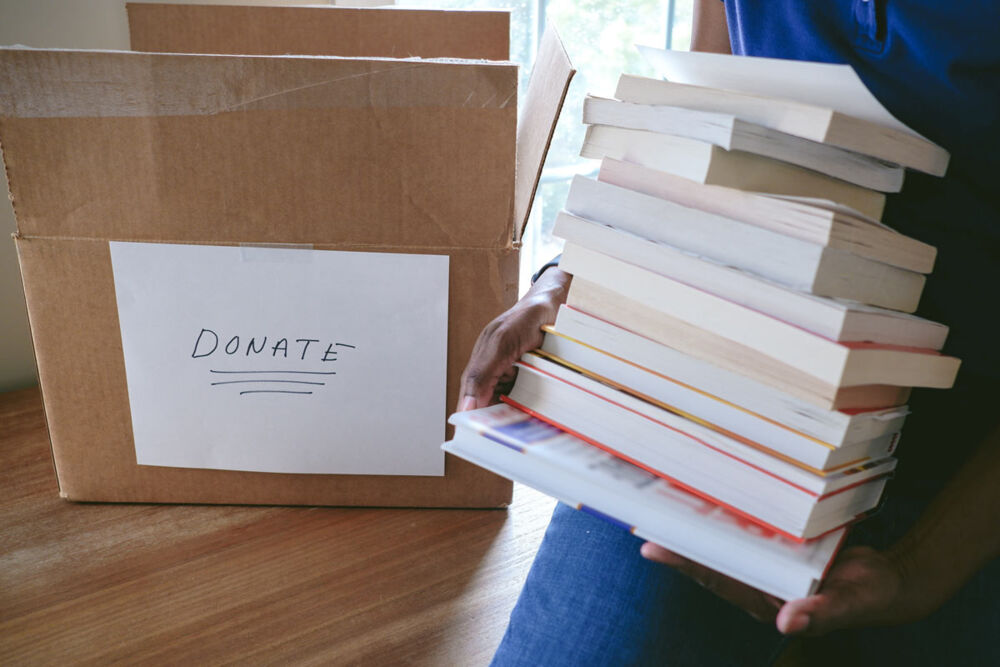
• Items to donate
This structured approach creates order quickly, reduces stress and ensures valuable items are not overlooked.
3. What is the best way to divide items during a clear-out?
The most effective approach is to prioritise items by importance and value.
Start by identifying what the family wants to keep, usually items with strong sentimental value.
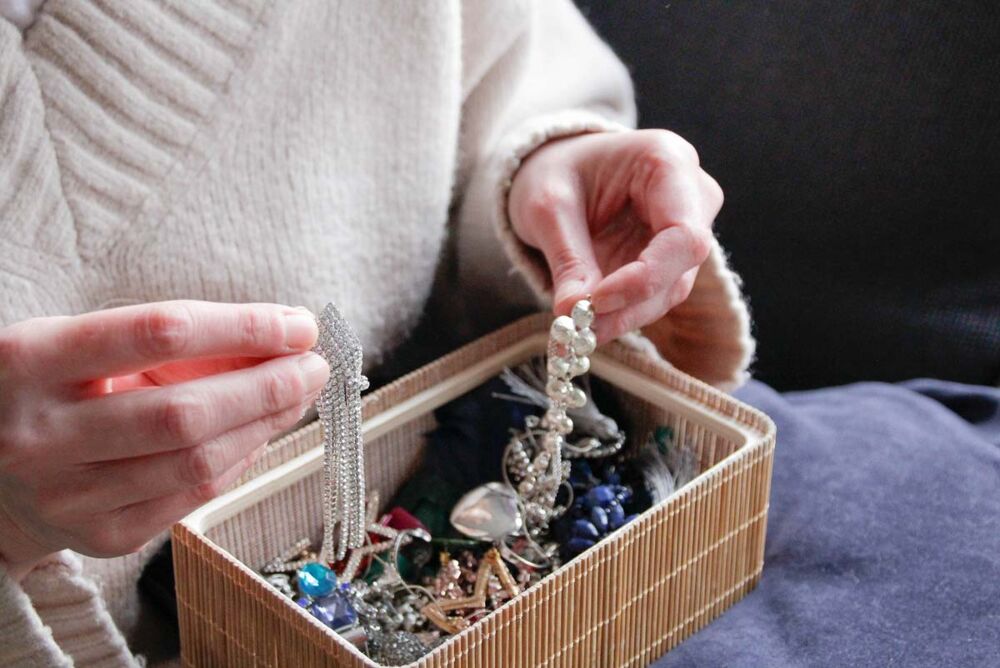
Next, assess items that can be sold, such as art, collectables, jewellery or quality household goods.
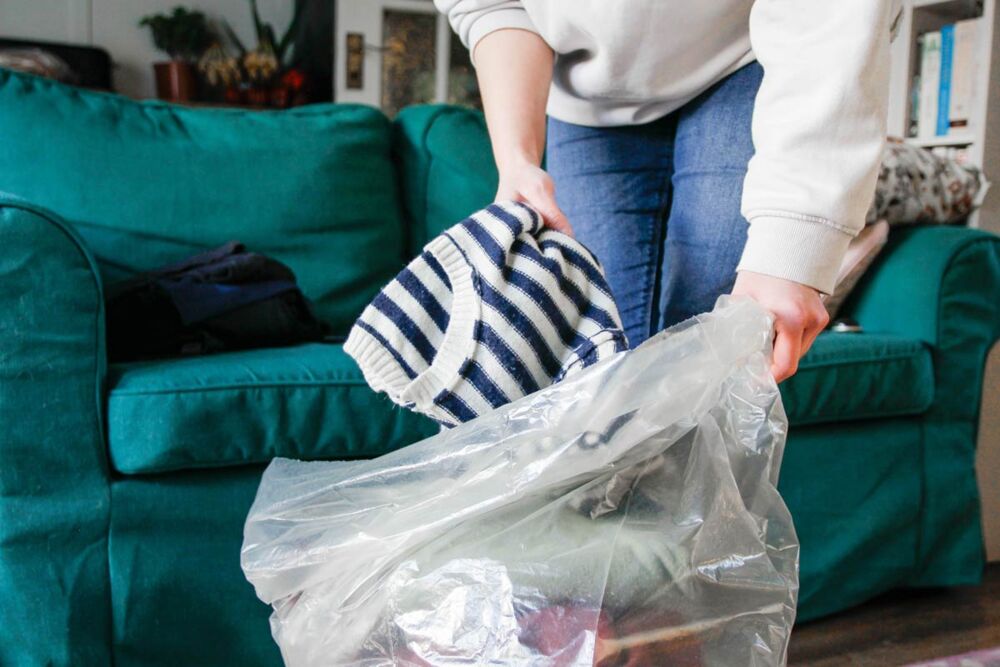
Then move on to items suitable for donation. Many charities welcome goods in good condition.
Finally, direct remaining items towards reuse or recycling wherever possible.
4. What should people assess, room by room, as potentially valuable?
Value can exist anywhere in a home, so avoid assumptions.
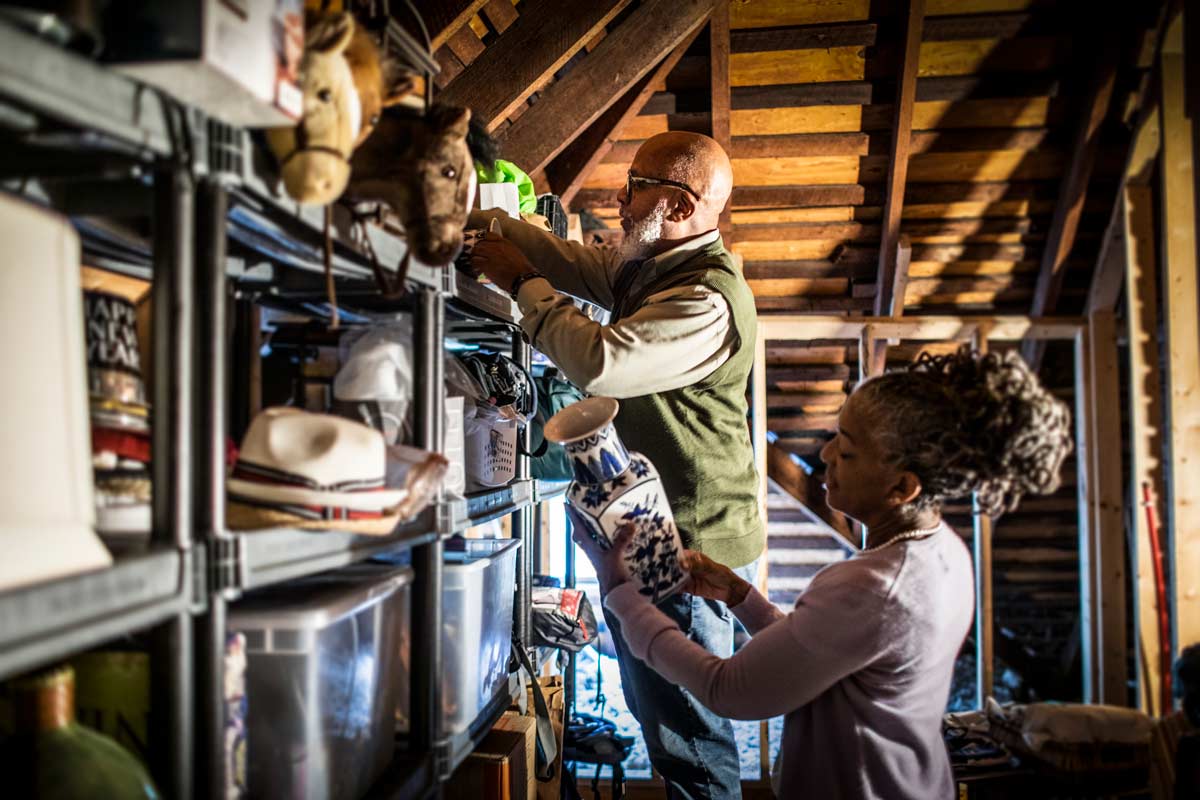
Sheds, garages and storage rooms are often dismissed as waste, but can contain items of real value.
Another misconception is that large furniture is the most valuable. In reality, smaller, specialised items often carry higher value.
These include retro household items, branded glassware such as Murano, jewellery, coins, original artwork, Australiana, vintage comics and quality tools.
Condition, authenticity and branding are critical. Items that look similar can have very different values depending on these factors.
The safest approach is to pause and assess before discarding, especially smaller items that are easy to overlook.
5. Who can people turn to for valuations or advice?
It is important to seek qualified and reputable advice.
Licensed second-hand dealers are a good starting point, as they understand current market demand and pricing.
For formal valuations, particularly for estates or legal purposes, families should engage accredited valuers who provide independent assessments.
Some experts specialise in areas such as art, antiques, jewellery or coins. If an item appears rare or unusual, a specialist can make a significant difference in determining value.
Taking professional advice helps ensure valuable items are not overlooked or undervalued.

6. What is the most important advice you can give after years of handling estate clearances and downsizing?
Plan ahead while there is still time to make thoughtful decisions.
Ensure you have an up-to-date will and appropriate power of attorney arrangements.
An experienced estate lawyer can help provide clarity, not just for major assets but also personal possessions.
It is also important to anticipate practical situations, such as whether another family member living in the home has the right to remain there.
These details can prevent disputes later.
Finally, consider gifting meaningful items while you are still alive.
Passing on treasured possessions can be a deeply personal and uplifting experience. It allows you to see the joy they bring and removes uncertainty for your family in the future.
The bottom line
Taking these steps in advance - clear legal planning and thoughtful distribution of personal possessions - can significantly reduce stress for families and ensure that important decisions are made with intention rather than under pressure.
Get stories like this in our newsletters.