How to avoid costly extras when buying a new car




Choosing a new car is the easy part.
In part two of our car buyer's guide, we focus on what happens after you've made your choice, when fees, finance decisions and fine print can change the real cost of ownership.
From dealer delivery charges and loan structures to warranties, safety tech and resale value, these are the details that can add thousands to the price if you don't know where to look.

How to buy smarter and pay less at the dealership
When car dealers are most willing to negotiate
The last few days of the month are when salespeople will be most eager to meet the manager's margins.
Shop at the end of a calendar year or the very start of a new one, as the holiday period is when things tend to slow down in terms of showroom foot traffic.
Other hot times of year, figuratively, for deals include the end of March, in particular if you're buying a Japanese car, or the regular end of financial year sales in June.
Go to more than one dealership
Be willing to shop around. You do it for a fridge, TV or even a quote for a new bathroom, so why not work some different angles by calling dealerships that might not necessarily be the closest to you.
If you live in Sydney, call dealerships in Bathurst, Newcastle, Wollongong, Canberra or further afield. You might find the car you're looking for can be had with a welcome discount by just spending a few hours on the phone chasing prices.
Be prepared to walk away
If you're not happy with the service you receive or the price you're trying to agree on, be willing to walk.
It might end up with a follow-up phone call and a better bargain than you initially expected.
Dealerships are there to make money, not to be your friend. Don't be fooled by the million-dollar smile and have a price in mind that you are willing to pay.
Beware the add-ons
Many car salespeople work on commissions based on the accessories you add to the vehicle, or things like paint protection.
You should be able to negotiate a set of floor mats if they're not included in the price. And if you want the windows tinted, it shouldn't cost you $2000.
Paint already has a protective layer, the clear coat on top. If you're worried, consider going to a specialist car detailer for a ceramic treatment.
Do your research
Check the car brand's warranty information, maintenance requirements and roadside assistance program before you go for a test drive.
You're more likely to face 'extended warranty' upsells on used vehicles, but know what's offered from the factory so you don't buy something you don't need.
Most brands now offer a five-year, unlimited-kilometre warranty, and the majority also have capped-price servicing and roadside assistance for the same period as the standard warranty.
Question everything
If you were asked to pay an extra fee for your takeaway coffee, you'd want to know why, right?
It's the same for costs on your car-buying contract. You have a right to know what every charge relates to.
Do not back down if you think there are unfair fees or charges added.

What dealer delivery fees really cover
Arguably the darkest art in the new-car game is dealer delivery fees.
Some dealerships have added more than $10,000 to the asking price of high-demand vehicles, although typically the cost ranges between $500 and $4000.
Don't assume this covers the cost of transporting the car from the port.
An industry insider, speaking on the condition of anonymity, told Money the concept is widely misunderstood.
"Dealer delivery is a historical fee introduced back in the day when cars needed a lot of preparation work before they were handed over to the customer," the insider said.
"Contrary to perception, it does not cover the cost of getting the car to the dealer's front door. The dealership pays for delivery in the invoice cost of the car."
Dealer delivery is an extra layer of profit, but like the overall vehicle price, it is negotiable.
The fee typically covers basics like registration plates, a quick hose down, removal of transport plastic and, if you're lucky, some fuel in the tank.
Any new-car quote should include a clear breakdown of registration, stamp duty, GST, dealer delivery and luxury car tax, if applicable. Check the maths carefully, you'd be surprised what can sneak through.
Common car ownership mistakes and how to avoid them
Once the paperwork is signed, the focus shifts from buying well to owning wisely.
Some brands offer resale protection through guaranteed future value programs, which set expectations for a buy-out or trade-in value at the end of a loan term.
Otherwise, simple habits can go a long way.
Clean it
Keeping the exterior clean helps protect the paintwork, while a tidy interior adds resale appeal.
No one wants a used car that smells like spilled coffee or rotten bananas.
It might help to set a regular reminder, weekly or less often, rather than waiting for a service just to get a free car wash.
Maintain it
Stick to the service schedule, but don't feel locked into a brand dealership.
Authorised independent mechanics can often do a better job at a competitive price.
Servicing outside the brand network, as long as it's done by an authorised mechanic, shouldn't affect your warranty.
Put good tyres on it
Tyres are your only contact point with the road and a critical safety item.
Don't buy the cheapest option. Buy the best tyres you can afford.
Premium brands include Michelin, Continental, Pirelli and Goodyear. More affordable options include Kumho and Maxxis.
For off-roaders, consider Toyo, BFGoodrich or Cooper.
Owning an electrified car
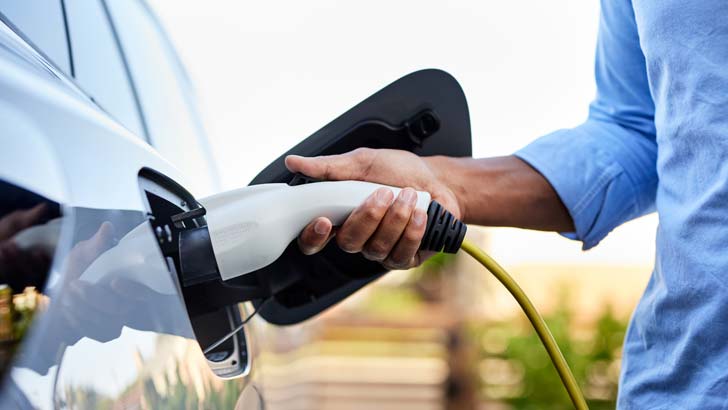
Battery chemistry matters. If your EV has an NMC battery, setting a maximum charge limit of around 80% may improve long-term battery health.
If it has an LFP battery, you can generally charge to 100% regularly without significant degradation.
What new-car warranties really cover
New-car warranties vary widely.
At the low end, some brands offer three years or 100,000km. At the top end, coverage extends to 10 years or 300,000km.
Warranty paperwork can be cleverly worded, but Australian Consumer Law may still protect you against certain faults.
How to finance a car without overpaying
There are plenty of ways to buy a new car, but paying outright with cash is still the simplest.
It avoids interest and keeps costs down, even if it's not viable for most buyers.
"Ultimately, the best way to pay for a car is to buy outright and avoid interest," says Mike Costello from Cox Automotive Australia, "but that's not realistic for everyone."
Car loans are more profitable for dealerships, which is why special finance offers often exist when there's excess stock.
Loans can be fixed or variable, just like home loans. Fixed rates suit tight budgets. Variable rates can end up cheaper, or more expensive, depending on the market.
Many loans require a deposit and include a balloon payment, a larger lump sum due at the end of the term.
That balloon reduces monthly repayments. For example, financing a $60,000 car with a $15,000 balloon means repayments are calculated on $45,000.
Why comparing lenders can save you thousands
Many brands now offer low-rate finance as a quiet discount without cutting sticker prices.
Dealer finance can include higher fees or compulsory balloon payments. Bank loans may offer more flexibility, even if the interest rate is higher.
Online comparison tools can save you thousands over a five-year loan.
If you see 0% finance, read the fine print. Big fees and balloon payments often make the numbers work.
Refinancing is also an option if rates move or your circumstances change, but watch out for exit fees.
EV buyers may access generous novated lease deals, with repayments taken from pre-tax income.
"If you're buying an electric car, a tax-free novated lease is almost a no-brainer," says Costello.
How modern car safety systems actually work
Most new cars now come with a full suite of active and passive safety systems.
Active safety intervenes to prevent crashes, through braking, steering or speed control.
This includes automatic emergency braking (AEB), lane-keep assistance, adaptive cruise control, blind-spot monitoring and intersection assistance.
Some systems work beautifully. Others can feel intrusive, especially when speed-sign recognition gets confused.
Passive safety is what protects you once a crash occurs.
Seatbelts, airbags and the vehicle's crumple zones all fall into this category.
Family buyers should look for curtain airbags that extend to the third row in seven-seat vehicles.
In Australia, ANCAP ratings assess both active and passive safety across four criteria.
Five stars remains the benchmark, although the amount of technology required to achieve it can sometimes make a car feel overbearing to drive.
Get stories like this in our newsletters.