Is it time to switch to an EV in Australia?




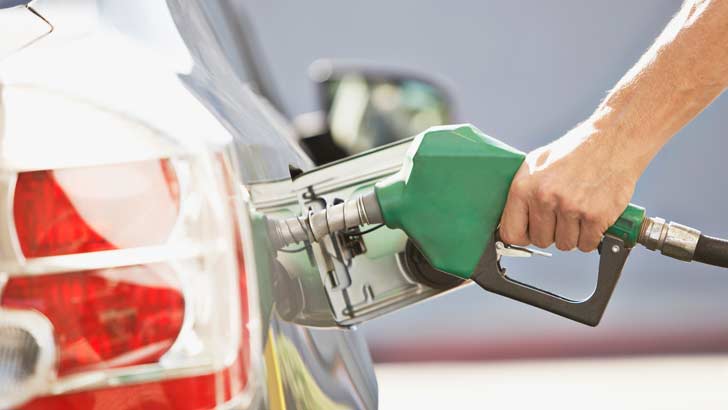
A worsening fuel crisis is driving record interest in electric vehicles, with Australians searching for EVs in droves as petrol becomes harder and more expensive to buy.
The world is in the grips of an oil supply crisis because of the war in Iran, and Australia has been hit hard by fuel shortages.
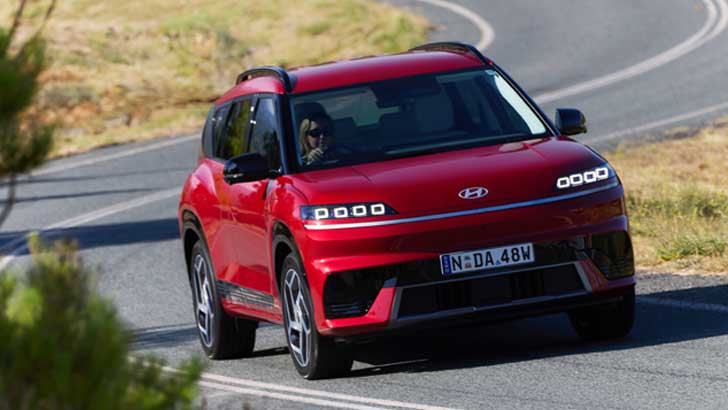
Plenty of Aussies are reconsidering their primary mode of transportation, as state and federal governments ask people to use public transport or work from home, so as to ensure that those who need petrol or diesel most can access it.
Earlier this week, Prime Minister Anthony Albanese confirmed a fuel excise adjustment, essentially lessening the burden at the bowser by a planned 26.3 cents per litre. But the market is the market, and prices for liquid fossil fuels continue to skyrocket, with demand clearly outstripping supply in many parts of Australia.
Why fuel shortages are pushing Australians away from petrol and diesel
Enter electric and electrified cars, which were already on their way to becoming more mainstream and readily attainable by Australian new-car customers. But the recent cost-of-living pressures have led many buyers to investigate getting a car that runs on fuel from the powerpoint, rather than the petrol station.
For many, the time is right to switch, if you'll pardon the pun.
EVs now aren't like they were five years ago. You can get a car with more than 400km of EV range, and with reasonably strong recharging specs, for less than $35,000. Add to that the incentives for fringe benefits tax exemptions on lease deals, and the cost of having a new EV in your driveway is extremely enticing.
How affordable electric vehicles have become in Australia
For those of us with a solar power set-up, an EV could prove a very cost-effective ownership experience.
Even if you don't have solar, there are EV energy plans from providers that offer super affordable off-peak charging - so you can plug your car in when you're home from work, set the timer so it starts charging when it's cheapest, and commute for a fraction of the cost, usually at an average of 40 kilometres of range for each hour of charging.
Electric vehicle searches surge as cost-of-living pressures bite
Australia's biggest online directory of ads for new and used vehicles, carsales, confirmed to Money that the number of people looking up EVs tripled between late February and mid-March.
Ross Booth, carsales data services director, says consumer behaviour is showing that Aussies are thinking more about EVs now than ever before.
"This month, we've seen a sharp jump in consumer interest in electric vehicles on carsales. Searches for EVs on our site have almost tripled compared with late February, which is well above the generally flat or modest week-on-week growth we'd been seeing earlier in the year," says Booth.
"We know cost of living is front of mind for many households, and fuel is a big part of that. When petrol prices climb, people naturally start exploring alternatives and doing more homework on electric and more fuel-efficient vehicles. That's exactly what we're seeing reflected in the data over the past few weeks," he says.
What new low-cost EVs Australians can buy right now
This moment happens to align with a huge increase in options for electric vehicle considerers.
Australia's most affordable new electric car, the BYD Atto 1 (from $23,990 plus on-road costs), is a tiny city car aimed at urban dwellers with a smaller battery than most. Its larger SUV-style sibling, the BYD Atto 2 (from $31,990 plus on-road costs), is arguably more appealing for the masses, but still has less than 350km of EV range.
Then there's the new GAC Aion UT, a car about the size of a Corolla that's fully electric, and has 430km of claimed EV range - more than all of its cheap EV rivals. It starts at $30,990 drive-away in its launch phase.
Other new EVs are arriving soon from China, including the MG 4 Urban (from $31,990 drive-away) and the new Geely EX2, which promises to be value-focused.
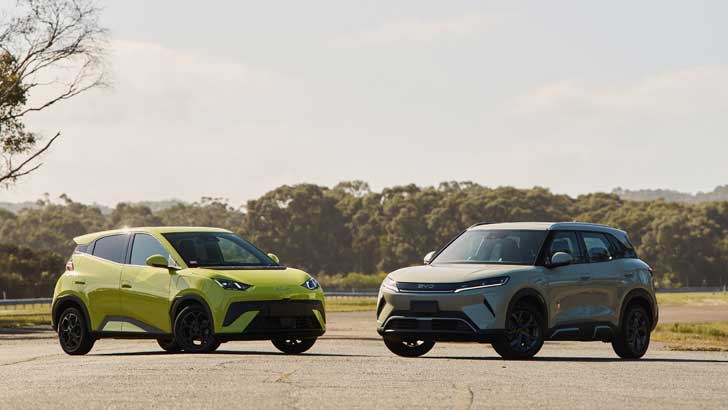
Why Chinese car brands are dominating affordable EV launches
Geely has a modest model line-up at the moment - one electric SUV (EX5) and one plug-in hybrid model (Starray EM-i) - the new affordable EX2 will play in a part of the market that many competitor brands are beginning to pay a lot of attention to.
"Geely is well-positioned to meet the growing demand for electrified vehicles. We have a healthy reserve and pipeline of stock, as well as a steadily growing dealer network that is well equipped to support the ownership journey," says a Geely spokesperson.
"Formal pre-orders for Geely EX2 will be opening in the near future - in its early days we have seen solid interest through our social media channels and in dealerships for the model, with select dealers already having taken deposits."
How established brands are responding with hybrids and EVs
Other brands offer a broader mix of powertrain options, including petrol, diesel and hybrid models, as well as EVs.
Hyundai Australia's chief operating officer, Gavin Donaldson, says that offering customers a "mix of efficient hybrid and battery electric vehicles" is "essential" to success.
"Demand remains strong across Hyundai's range, particularly for our award-winning hybrids and EVs, reinforcing the importance of choice, affordability and practicality.
"Hyundai is well-positioned following the launch of the all-new Elexio EV, with solid stock availability nationwide alongside our broader hybrid and EV lineup. Dealers are reporting increased interest in fuel-efficient hybrids and EVs, with availability varying by region."
How to find an EV in stock and avoid long wait times
Many car brands offer buyers the chance to check online to see if the car they're interested in stock. Others may require an order to be placed, which means a longer wait time.
The best way to find out if your ideal EV is available is to spend some time on the different dealership websites, and don't be afraid to make some phone calls - often there are cars in stock that haven't made it to the website yet.
What EV battery warranties cover in Australia
Most EVs have a warranty for the battery and some electrical components that spans eight years, and in the fine print it should guarantee the state of health of the battery will remain at or above 70% at the end of that warranty.
Get stories like this in our newsletters.


 Reply
Reply