Macquarie to repay Shield victims - here's when to expect it




Macquarie is heading to court with ASIC over its role in the Shield Master Fund collapse but has committed to reimbursing investors' retirement savings by September 30.
ASIC commenced proceedings in the Federal Court against Macquarie Investment Management Limited (MIML) after it admitted it did not act efficiently, honestly and fairly when it failed to place Shield on a watch list.
ASIC has also accepted a court-enforceable undertaking from MIML to ensure Macquarie pays the 3000 impacted members in full the amounts they invested in Shield less any amounts withdrawn. It will do this without waiting for the outcome of liquidation processes or the court proceedings already underway against others involved, ASIC noted.
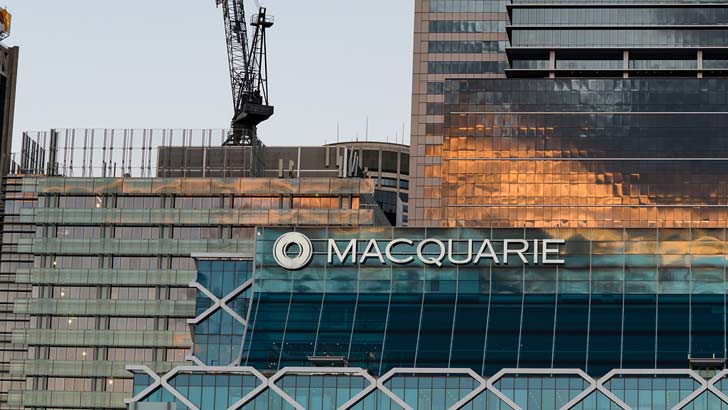
Macquarie will purchase investors' holdings in Shield at the current fair value, based on the estimated ultimate recovery from the liquidation process, and also make a goodwill payment to each of them. Together, the payments will equate to 100% of the net capital each client originally invested in Shield. It confirmed investors would receive payment by next week.
Financial Standard understands payments started going out on September 25.
In all, Macquarie oversaw about $321 million of the super savings invested into Shield. This amount has been locked up since February 2024.
"Macquarie's decision to devote resources to achieve this outcome recognises Shield's unique circumstances, notably the scale of the issue, its material impact on many investors and their limited access to recourse from the many different entities which played a role. The approach of providing immediate certainty and an improved outcome for investors benefits all parties," Macquarie said in a statement.
The investment giant said it has also agreed with APRA to uplift its investment governance processes on its wrap platform.
The regulator said it will not be seeking a penalty against Macquarie given the "exceptional circumstances" of the situation. These include the immense public interest in the scheme's collapse and the desire for a swift solution.
ASIC said it also considered the fact a quick, court-based outcome may encourage other super trustees to comply with their obligation in the context of choice platforms.
"This is an important outcome that stems the significant losses that threatened thousands of members' retirement savings after they used Macquarie's platform to invest their super in Shield," ASIC deputy chair Sarah Court said.
"Many members thought their funds were safe when they used Macquarie's super platform to invest in Shield, which had no track record.
"ASIC's investigation will see Macquarie return these members to the position they were in before their retirement savings were eroded."
Taking to LinkedIn, Financial Advice Association Australia general manager of policy, advocacy and standards Phil Anderson welcomed the move by Macquarie.
"This is a very good outcome for these clients who have been so badly impacted by the collapse of this [managed investment scheme]. Hopefully this will provide relief for them in what has been a very difficult and challenging experience," he said.
"We also recognise the efforts of ASIC to negotiate this outcome and appreciate that it will place pressure on the other super funds to take similar action.
"This intervention will help to restore confidence in the Australian super system and financial services more broadly."
About $160 million of what was invested in Shield was done so via platforms tied to Equity Trustees. ASIC has already commenced proceedings against Equity Trustees for failing to exercise the degree of care and diligence expected of a super trustee.
Equity Trustees vowed to fight the claims, saying it believes it acted in line with its fiduciary duties and obligations.
About a month later, Equity Trustees slashed the value of investments in the Shield fund by as much as 75%.
In May 2024, the Shield fund claimed to have $525.3 million in net assets attributable to unitholders; last November, Deloitte said it was likely to be more like $205.8 million to $238.8 million.
This article first appeared on Financial Standard
Get stories like this in our newsletters.