Polymarket risks: ASIC warns on prediction markets




They turn global headlines into betting opportunities and are attracting billions of dollars, but ASIC says prediction markets like Polymarket are closer to gambling than investing.
The social media pages of prediction platform Polymarket present streams of updates that wouldn't be out of place on any standard news website.
The service "transforms headlines into live markets," letting you bet on the outcome of real-world events, from political decisions and interest rate movements, to pop culture news and sports results.
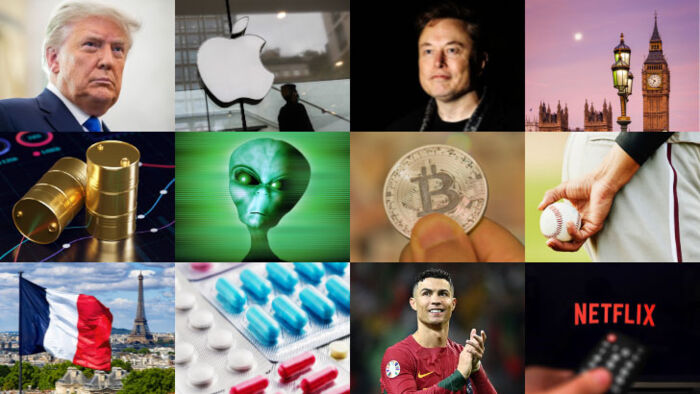
But the platform also lets you stake money on what Karoline Thomsen labels "gruesome topics", like military actions and strategic shifts in ongoing wars.
"Tragically, that might be some of the appeal," says the PhD researcher, who has been studying Polymarket.
Case in point is Polymarket's rise to prominence earlier this year: as tensions escalated between the US and Iran, the New York Times reported hundreds of Polymarket users were wagering thousands of dollars on when American forces would strike the Middle Eastern country.
What are prediction markets and how does Polymarket work?
Online exchanges where punters can try their luck reading the course of global events have boomed in the last few years.
Polymarket is the best-known of these prediction platforms and was launched in 2020. Its leading competitors include Kalshi and PredictIt.
In a sign of a growing industry, several news outlets reported in June that Facebook owner Meta was exploring launching its own prediction product. The company didn't respond to a request to confirm these reports.
Platforms let users place bets anonymously and transactions are usually made in cryptocurrency.
Unlike most traditional gambling, the odds on these sites fluctuate depending on dynamics of supply and demand and the appetite of users to take differing views on event outcomes.
Some of the weirdest bets on Polymarket
Prediction markets don't just cover elections, interest rates and sporting events. Users have also wagered money on some highly unusual outcomes, including:
- Alien life: Whether evidence of extraterrestrial life will be discovered or publicly confirmed.
- Elon Musk's X posts: How many times the billionaire will post on X within a set period.
- Temperature records: Whether major cities will hit specific temperature highs.
- Celebrity guest lists: Which celebrities will be invited to Cristiano Ronaldo's wedding.
- Drug trials: Whether experimental medicines will pass or fail clinical trial milestones.
Supporters argue prediction markets can harness collective knowledge. Critics say they turn almost any real-world event into a gambling opportunity.
Why is ASIC warning Australians about prediction markets?
Anyone accessing the internet in Australia is blocked from using Polymarket, as it's considered an illegal gambling website, but the financial regulator ASIC says it and other platforms are trying to attract local users by taking bets on events happening here.
ASIC says Australians considering jumping onto any prediction markets should be aware of "three big risks" that can make them a dangerous play.
1. It's gambling, not investing
Polymarket and other major prediction sites tend to refer to bets as "contracts" between users and Thomsen says the way they present their odds and other information can give them the appearance of investing platforms.
"Polymarket has really put some work into placing itself to look like a financial and information instrument, rather than a gambling instrument," she says. "They show price fluctuations in a graph that's not dissimilar to the one you see on the stock market."
Behavioural economist Phil Slade says putting money on global events with this information at your fingertips can feel like making a wise investment.
"It feels smart, not risky...we get a dopamine hit that an investment would never be able to do," he says.
In reality, prediction markets are much closer to gambling than investing. Warning of the large sums people can lose, ASIC has compared them to binary options: a financial product banned in Australia since 2021.
Binary options were similarly dressed-up to look like investment opportunities, but were essentially bets on future asset prices or other economic events.
ASIC banned their sale after finding 75% of people who had traded them had lost money.
2. It's an uneven playing field
Most prediction markets allow users to make bets anonymously, meaning you could be taking a stake on an event against someone who knows much more about it than you do.
In April, it was revealed a US soldier with access to classified military plans had used them to bet against regular punters on Polymarket, winning hundreds of thousands of dollars.
Then, in July, a US politician was fined for making bets on whether he would attend an event or not - something entirely within his own control.
Experts say these are prime examples of the serious disadvantages ordinary punters can find themselves at, as they trade bets with anonymous people on outcomes the opposite party has inside knowledge about or controls completely.
"It seems to be a model specifically targeted towards incentivising insider trading... if you've got knowledge about the future, then then why wouldn't you get onto a prediction market and make a bet?" notes Slade.
3. You're not protected
Despite styling themselves as investment platforms, no prediction market holds an Australian Financial Services (AFS) licence.
"That means you won't have access to important protections if something goes wrong," explains ASIC Commissioner Alan Kirkland.
These missing protections include mandatory internal dispute resolution processes and client money safeguards.
ASIC says you should check whether any financial services provider you're considering making an investment with has an AFS license before handing over any money.
Get stories like this in our newsletters.