Why authorities are trying to shut down this 'real life Temu'




Panda Mart has gone viral for its big range and low prices, but just as it's opening new stores across Australia, consumer regulators in one state are trying to shut it down.
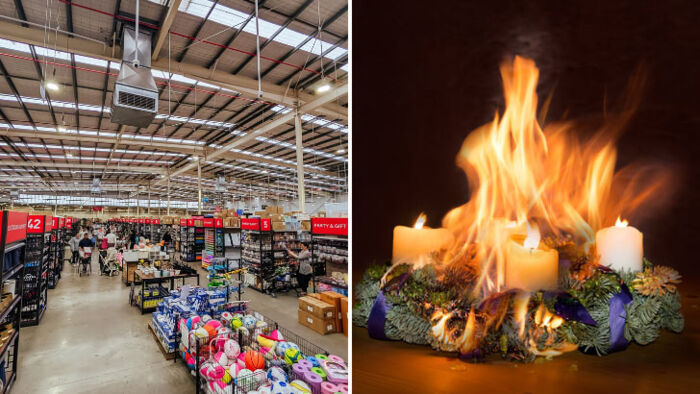
The openings of its stores have become synonymous with long queues without and wild scenes within - videos on social media show customers lining up to get into Panda Mart outlets across the country, while those inside strip shelves bare and leave stock strewn on the floor in pursuit of a bargain.
The chaotic atmosphere within the discount homewares and lifestyle outlet, along with concerns about the quality and safety of its cheap products, have led to Panda Mart being dubbed "real life Temu".
What is Panda Mart?
Panda Mart is a chain of stores selling toys, homewares, sporting goods and beauty products.
Reportedly founded in South Africa, the business has outlets in multiple countries and first arrived in Australia with a Melbourne store in early 2025.
Since then, it's added a second outlet in the city and in July this year launched its third Australian store in Brisbane.
Panda Mart's novelty has been turbocharged by its broad range and low prices, on which it competes with similar outlets like Kmart, Target and Bunnings.
For example, last year The Age reported it had purchased 11 toys and homeware items from one Melbourne Panda Mart store for less than $30.
This month, The Courier Mail noted Panda Mart's Brisbane outpost was selling clothing items for $1 and camping equipment for $12.
Why has it been in trouble?
Panda Mart has had several brushes with state consumer protection agencies since it first arrived on our shores.
Just in the last year, its stores have been hit with legal action, shut down for days at a time and inspected by authorities after allegations they had been selling products that are dangerous and, in some cases, banned in Australia entirely.
According to authorities, many of Panda Mart's products failed to meet mandatory national standards requiring small button batteries be properly secured to stop kids getting access to them.
In other cases, information standards requiring warnings to be included with certain products weren't followed.
Furthermore, products banned in Australia entirely for being too dangerous, including flammable candle holders and yo-yo water balls, were also allegedly on Panda Mart's shelves.
Panda Mart: A timeline of safety breaches
March 2025: Consumer Affairs Victoria (CAV) says thousands of goods purchased from Panda Mart's Cranbourne store failed to meet mandatory safety and information standards. It urges customers to return the products for a refund.
December 2025: CAV wins a court injunction to close Panda Mart's Cranbourne and Preston stores for 72 hours after discovering hundreds of allegedly illegal and dangerous products on shelves. CAV removes the non-compliant products.
January 2026: CAV and Energy Safe Victoria reveal Panda Mart has been charged with more than 100 criminal offences for allegedly selling products that are banned in Australia or do not meet mandatory safety standards.
March 2026: CAV warns consumers that the Cranbourne and Preston stores are once again selling products that do not meet national standards.
July-August 2026: Queensland's Office of Fair Trading and Electrical Safety Office inspect Panda Mart's Brisbane store before its opening to ensure products meet required standards and no banned items are being sold. No enforcement action is reported.
August 2026: CAV seeks another injunction in Victoria's Supreme Court to have Panda Mart's Melbourne stores closed until they meet what it describes as "strict compliance measures to protect consumers".
Why is Panda Mart popular?
Despite repeatedly warning shoppers about Panda Mart, Consumer Affairs Victoria's director Nicole Rich has admitted the store has an appeal to many people.
"We know many Victorians are looking for bargains when they're shopping given the cost of living, but they shouldn't have to worry about picking up dangerous products at the same time, especially ones for babies and kids," she said when announcing her agency's first action against the retailer last year.
Bea Sherwood, senior campaigns and policy advisor at CHOICE, which advocates for stronger product safety standards, says the Panda Mart saga will likely become a recurring issue as more discount retailers expand into Australia.
"We're going to keep seeing things like this, whether it's online or in-store, because it's just so easy to get these products into the country," she said.
"I think in a cost-of-living crisis, consumers are drawn to products that are cheap and affordable and that's fair enough, but people shouldn't have to trade safety for affordability."
Panda Mart didn't respond to Money's questions about where its products are made or what it's currently doing to ensure products it sells meet Australia's mandatory safety and information standards.
How to check what you're buying is safe
- Visit the ACCC's Product Safety website to see the latest products recalled for failing to meet Australian safety standards.
- Follow Product Safety on social media or productsafety.gov.au to receive email alerts with the latest recalls and safety warnings.
- Check the list of banned products to see which items cannot legally be sold in Australia because they pose a safety risk.
- If a product you've purchased does not work as promised and creates a safety risk, the retailer may be required to provide a refund, repair or replacement under Australian Consumer Law.
Get stories like this in our newsletters.