Diary of an ETF Beginner: Spending wasn't my biggest mistake




I spent years chasing nice things and blowing every pay packet. Looking back, those habits may have cost me thousands in investment returns.
I like nice things
I've always appreciated the comfort, detail, and quality of a good experience - particularly when it involves something edible. After all, who doesn't like nice things?
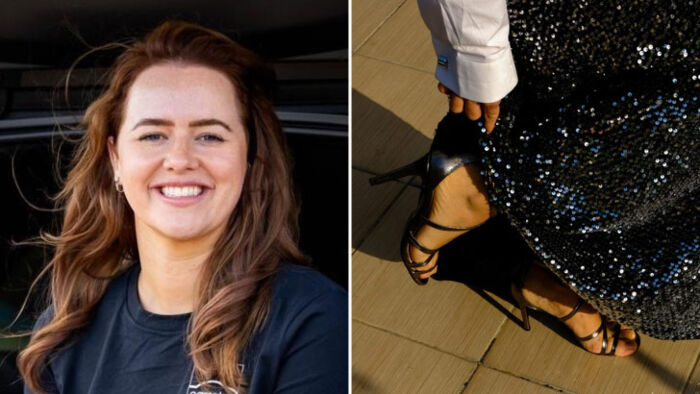
And because having and enjoying those things requires resources, it's safe to say I love money. Not necessarily the physical currency, but the freedom and safety money offers.
But my feelings towards it have evolved over the years, and I still remember the specific moment they did.
My first job
When I was too young to be on the payroll but old enough to operate a vacuum cleaner, I'd help out at the family shop by cleaning for a few hours and playing the role of the 'bag lady' behind the counter.
Every customer, no matter whether they purchased a tiny light globe or a replacement bumper bar, was asked the same question by the child (me) behind the front counter: "Would you like a bag?".
They'd almost always say yes, presumably because they found me either cute or pathetic, and I'd oblige. If they attempted to engage in small talk after their goods were bagged up, I'd get shy and scamper off in to the store room to hide until I heard them leave.
This self-appointed role meant we went through a lot of plastic bags and I was eventually encouraged to only ask customers buying multiple items whether they needed a bag.
I would only learn the trials and tribulations of running a franchise - and the obscene cost of branded plastic bags - years later. I can't say I'm proud of my reckless plastic-wasting youth, but I'd probably do it again... because, well, money.
Ahhh, an entrepreneur in the making
If you're thinking, wow, she must've really enjoyed working at the shop and learning about the family business, think again.
When I got a bit older, I started selling my crafty creations at the front counter - I sold just one item to our store manager. I then moved on to home-baked goods and tried selling cupcakes on the footpath out front - the manager was yet again my only customer and I probably ate the rest.
The point is, I was filled with greed and hungry for money. Ok, that's an exaggeration... but I realised money could get me nice things.
So after I'd sucked up every last crumb or piece of dirt off that shop floor, I'd swiftly report to mum to collect my earnings.
Had I known the power of investing back then, you could be reading a very different story right now. Alas, every time she handed me that $40, I'd march straight to the local shopping centre and spend hours foraging the stores for various treasures before returning to show off my goods.
Every shift, I'd trade my hard-earned currency for whatever colourful, glittery, sequinned, fluffy goods I could afford - and I was thrilled.
The pivotal moment in my money story
Had Scott Pape pulled his finger out and written Barefoot Investor: The Only Money Guide You'll Ever Need back when I was that prepubescent 'bag lady', I'd probably have around seven investment properties by now, because that book changed my relationship with money.
Instead of spending my earnings in one go, I'd have divvied it up into categories, and only spent a portion of it, squirrelling away some of it for a rainy day and then investing the rest.
As State Street's ETF equities investment strategist, Kunhee Park tells me, the hardest part of investing is actually starting - story of my life!
"Your time horizon matters far more than your entry point," he says.
"Start now: investing a fixed amount regularly (dollar-cost averaging) turns investing into a habit, and you don't have to get the timing right."
Park says the best plan is the "one you stick to" and time in the market is more important than the size of your first deposit.
Realising the power of investing
Thankfully, I now have a firm grasp on the power of investing and have adopted Pape's methodology somewhat diligently since reading BI, although admittedly, my investments have been sporadic.
Moving forward, this is something I want to change, even if it's as little as $20 per week, which, based on advice from eToro's lead analyst Josh Gilbert, could've earned me an additional approximately $7000 in the last decade (based on the S&P 500's average performance over the last 40 years) had I been investing $20 a week.
"The earlier you start, the more time your money has to compound and ease the pressure of trying to 'pick the perfect moment'," says Gilbert.
Where I stand right now
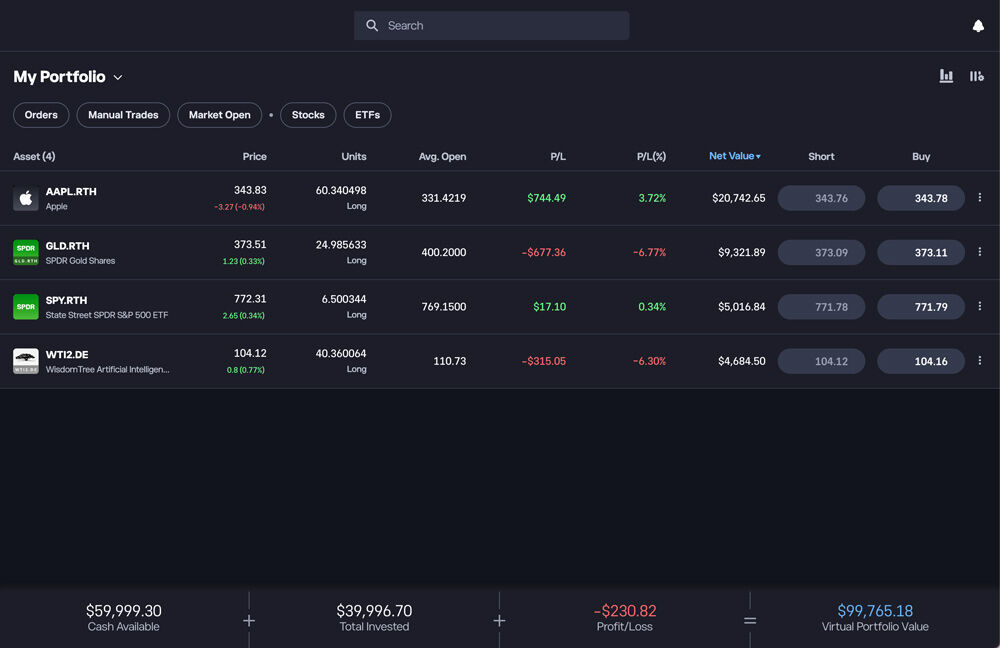
💰 Started with: $100,000
📈 Invested so far: $40,000
🏦 Current portfolio value: $99,898.68
🎉 Gain to date: -$99.31
💵 Cash still waiting to be invested: About $60,000
Similarly, it's a waste of time worrying about the price of an ETF. Like Park, Gilbert says time in market is more important.
"A lot of beginners get caught up on the price of a share or the price of an ETF," says Gilbert, explaining an asset worth $30 isn't necessarily better value than one that's $600.
"An ETF's price doesn't tell you whether it's a good investment. Investing platforms such as eToro offer fractional investing, so rather than having to buy a whole share or unit of an ETF at $600, you can buy $50 of that asset.
"It's a way to make investing more accessible, so a higher price doesn't stop you getting started with a small amount."
Catch up on Diary of an ETF Beginner
- Week 1: My $100,000 investing experiment
- Week 2: I took stock tips from an influencer
- Week 3: What a $13 roast chook taught me
- Week 4: Spending wasn't my biggest mistake
Get a free stock worth US$50
Exclusive for Money readers: Deposit US$50 through eToro and receive a stock worth US$50 added to your investment portfolio.
Get stories like this in our newsletters.