Why smart people still fall for scams




Scammers are exploiting everything from online shopping to tax time. Here's how to spot the tricks they're using and avoid becoming their next victim.
In the first six months of 2026, Australians reported $157 million in scam-related losses, data from the National Anti-Scam Centre reveals.
While down from the $210 million in losses reported over the same period last year, it's a reminder that scams remain a constant threat.
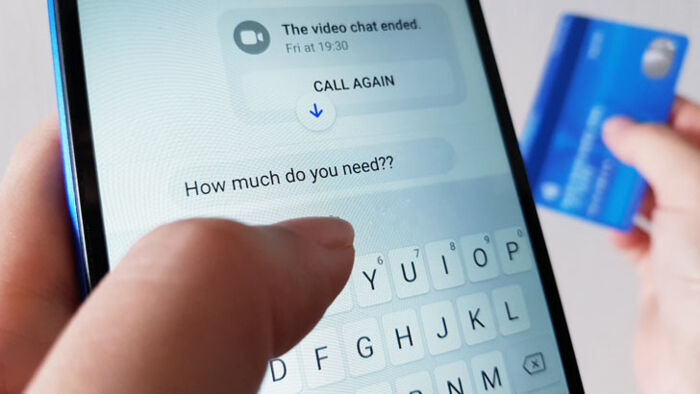
Given the figures, it's easy to get fixated on the scale of the money lost, but there are also victims behind each of the 91,767 scam reports lodged so far this year.
That's the message ACCC Scamwatch wants Australians to take away from Scams Awareness Week 2026, which runs next week from August 24 to 28.
As part of the awareness campaign, Scamwatch has shared a number of real stories from people who have been caught up in everything from romance scams to investment scams.
"Sharing a scam story is really important to show people that they are not alone - that this is a common problem and nothing to be ashamed of," says Dr Kate Gould, a neuropsychologist and senior researcher at Monash University.
"We can also learn things every time we hear about someone's scam story."
Why scams keep working
Scams are hardly a new phenomenon, and thanks to campaigns like Scams Awareness Week, many Australians are aware of their prevalence and threat. So why do so many people still get caught out?
As Adrian Covich, vice president for systems engineering at Proofpoint, Asia Pacific and Japan, explains, the success of scams often lies in their ability to target emotions.
"The reality is, there's always a pull on a heartstring, or impatience, or greed, or loneliness - there's an appeal to one of those base human emotions at work.
"That's what scammers are trying to tap into to compel people to do something that they might not do otherwise."
At the same time as regular Australians are becoming more familiar with scam techniques, Covich says that scammers are also adapting with the aid of new technology.
"We've become savvier at working out that we don't really have a cousin in Nigeria who's a prince wanting to leave us money, but attackers are also improving the complexity of what they're doing.
"Some of that's by doing research around specific things in the news, specific events and specific times of year that are important to us - like tax season in Australia.
"Artificial intelligence helps with that. But it can also help by making the text more believable - by lowering the barrier for non-English speakers to appear to be speaking English."
Three scams to watch out for
As the volume of scam reports suggest, scammers are targeting Australians in a variety of ways. But there are a few scams, according to Proofpoint, that may be worth taking note of at present.
1. Delivery notification scams
How they work: Scammers will send out a fake text or email posing as Australia Post or a courier, claiming a parcel is delayed or requires a fee to be released. The victim will then be directed to a link designed to steal personal or financial information or install malicious software.
An example: You receive an email claiming to be from DHL which says that a parcel notice is waiting to be viewed. After clicking the link and signing in with your email account, your login details are stolen and used to access your other accounts.
Why they're relevant: With the popularity of online shopping and the recent launch of second-hand marketplace Vinted, Australians are being pinged with plenty of delivery updates. That gives scammers more opportunities to slip fake delivery messages in with the legitimate ones.
2. Impersonation scams
How they work: Scammers will call, text or email, posing as trusted individuals (like family members) or organisations (like banks or charities) in order to trick people into transferring money or sharing personal or financial details.
An example: You receive an email claiming to be from the ATO via myGov, warning that your account details need to be updated before a specific deadline. The message directs you to a link and threatens to suspend any future payments if you don't provide your details.
Why they're relevant: Tax season gives scammers the perfect cover, with many Australians expecting to hear from the ATO about their returns. Recent data breaches have also armed scammers with personal information they can use to make their initial communications more convincing.
3. Invoice scams
How they work: Businesses are sent fake bills or invoices via email by scammers who are looking to redirect payments to their own accounts. The fakes will often include legitimate details like logos and branding or ABNs, in order to look more authentic.
An example: You receive an invoice that appears to be from one of your regular suppliers, offering a discount for making an early payment. So, without double-checking the details, you transfer the funds, but they end up in the scammer's account.
Why they're relevant: Just as tax time creates opportunities for ATO impersonators, end of financial year admin for businesses can create opportunities for invoice scammers.
Red flags you shouldn't ignore
Whether it's an ATO deadline or the offer of a discount, many scammers rely on creating a sense of urgency or offering incentives to trick people into acting before they think.
These are both major red flags, Covich says, but they're not the only warnings signs that people should keep an eye out for.
"If it seems too good to be true, then it probably is. No one's going to be giving you anything for free, so if it seems like they are, then it's time to take a step back.
"Then if someone is asking for something that you wouldn't normally share - your credit card details, passwords, logins, two factor codes - that should trigger you that something isn't right.
"The other thing is understanding that most companies won't approach you directly over email - especially a company that you haven't dealt with in the past. If they approach out of the blue, or the email address doesn't look right, that should alert you."
What to do if you've been scammed
If the worst does happen, Scamwatch stresses the point that there's no shame in being scammed - it happens to hundreds of thousands of people each year.
Having said that, scam victims shouldn't simply accept the situation and move on. Here's what Scamwatch recommends doing:
- Be proactive: As soon as you become aware that you've been scammed, get in contact with your bank, card provider or financial institution to report the scam. Ask them to stop any relevant transactions or place a hold on your card.
- Start the recovery process: Reach out to not-for-profit IDCARE which specialises in scams and identity theft and can provide individuals with practical recovery plans, for free.
- Report the scam: Once you've contacted your financial institution and started the recovery process, you can also choose to report the scam to Scamwatch to help warn others, or report the crime to the police.
- Beware of follow-up scams: Scammers are notorious for taking advantage of people who have already been targeted, so it may pay to be extra cautious in the days and weeks following a scam.
- Reach out for support: The impact of a scam can be greater than the money lost. That's why Scamwatch suggests reaching out to a financial counsellor for financial support, or to organisations like Lifeline or Beyond Blue for emotional support.
Get stories like this in our newsletters.