She thought she'd found love, then she lost $317,000




For 16 months, Tracy Hall believed she was building a future with her partner. Instead, she became one of serial fraudster Hamish McLaren's victims and lost $317,000.
The man Hall loved called her up to 10 times a day. They talked about their future together. He seemed attentive, successful and trustworthy, an experienced finance executive who wanted to help her become more financially secure.
Hall had occasional doubts, but nothing that prepared her for what came next.
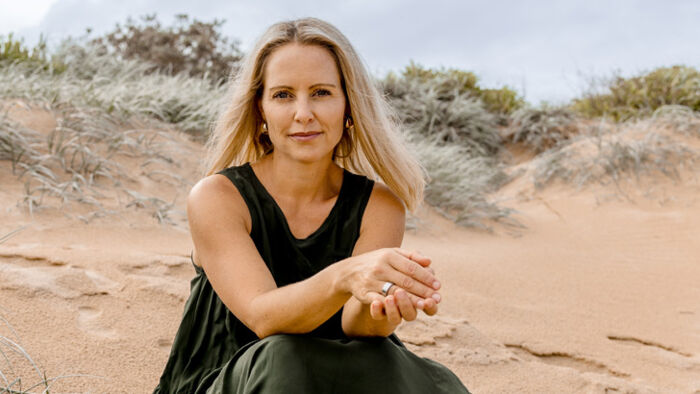
Then she saw his face in a Crime Stoppers video.
The man she knew as Max Tavita was actually Hamish McLaren, a career fraudster who had spent decades moving through false identities and other people's lives.
The relationship Hall believed was real had been carefully engineered to win her trust. The investment accounts she thought were in her name did not exist.
The documents were forged. The $317,000 she believed was being invested for her future, including the superannuation she had spent more than 20 years building, was gone.
Today, Hall, 50, is an author, speaker and advocate for victims of financial crime. After a 26-year career in corporate marketing, she left the executive world following the release of her book The Last Victim, which tells the story of how she became one of McLaren's victims.
The man she loved never existed
The man she knew as Max Tavita was actually Hamish McLaren, a serial fraudster who had spent 30 years moving through false identities and other people's lives.
The relationship Hall had believed was loving and intimate had been engineered to gain her trust.
The investment documents were forged. The $317,000 she believed he was investing in her name, including the superannuation she had built over more than two decades, was gone.
"It decimated everything I believed about myself and my ability to make decisions.
"I was very much in love with him. When he was arrested, I had to get my head around the fact he was gone. It felt like a death. Then I realised that he never actually existed," she says.
McLaren was convicted of defrauding 15 Australian victims of more than $7.6 million. His offending became the subject of journalist Greg Bearup's podcast Who the Hell is Hamish? for The Australian.
McLaren was released on parole in July this year. Hall cannot undo what he did, but she can use the experience to protect the next person.
How she became Hamish McLaren's target
Hall grew up on the Gold Coast, Queensland, with two brothers in a close, hardworking family.
Money was not a regular topic of conversation.
"It was considered an adult issue," she says.
At 18, Hall left Australia to travel through Europe and later lived in India for a year.
She returned to study sports science, but found herself drawn to the business of sport.
That led to sports marketing and a job at Sydney's Olympic Stadium before the 2000 Games.
By the time she met McLaren on a dating app in 2016, Hall was a single mother with a six-year-old daughter, a senior role in corporate marketing and a life running close to capacity.
"I wasn't a naive, sheltered person," she says.
"I was independent, had lived in different countries and had held many different jobs."
McLaren carefully built Hall's trust over nearly a year and a half inside what she believed was a committed relationship.
He presented himself as a finance professional with decades of experience working around the globe.
When he offered to help organise her money, it appeared to be a caring gesture.
"He saw how hard I was trying," she says. "He told me: 'I want you to be financially independent'."
Hall did not believe she was handing him cash to control. She thought the investments and accounts were hers.
"I never gave him money. I thought it was all in my name, but all the documents were forged," she says.
Looking back, one of the biggest lessons is how easily control can be disguised as support.
"Financial abuse never comes in waving a big red flag," she says.
"It comes disguised as care and concern and 'let me help you', which is exactly what he did to me."
Rebuilding after the betrayal
After McLaren's arrest, Hall spent three weeks helping police reconstruct the relationship.
She had to go back through 16 months of messages, emails, conversations, financial documents and memories.
There were also gaps that nobody could fill.
Police could reveal little while the investigation was underway. Financial institutions were constrained by the criminal proceedings.
Hall was left trying to rebuild the story of her own life without all the pieces.
Only a small circle of family and friends knew.
She was protecting her daughter and career while carrying the shame so often placed on victims of financial crime.
Then came the practical reality. She had no savings to fall back on and only her monthly income.
Hall returned to her executive role at eBay and doubled down.
"I was terrified of losing my job. Without it, I knew I'd be completely screwed," she says.
How she rebuilt her finances
Hall was 42 when her money was stolen and 43 when she started rebuilding her finances.
Before meeting McLaren, she understood money well enough. The problem was that she kept postponing the practical jobs.
"I wasn't financially illiterate," she says. "I was financially avoidant."
She knew she needed to sort out her insurance, super, will and retirement plan.
But as a busy single parent with a demanding career, it kept slipping down the list.
After the fraud, she could no longer put it off.
Hall found a financial adviser and together they established a budget, arranged insurance, restarted her superannuation and created a plan to build assets outside it.
With a shorter investment runway, she had to be disciplined.
Money was siphoned from her salary into a portfolio whenever possible.
Eventually, she saved enough to buy the apartment she had been living in.
Her retirement strategy now combines superannuation, investments and her home.
She meets her adviser every six months, reviews her progress and adjusts the plan when her circumstances change.
Being deceived by McLaren changed the way Hall approaches money in relationships, too.
She now asks the uncomfortable questions, reads every document and makes sure she understands exactly what she is signing.
Someone once gave her a piece of advice that stayed with her: don't outsource the education, outsource the execution.
"Take agency," Hall says.
"Don't assume the other person will take care of it. Make sure you are across everything, you understand everything, you go to all the meetings."
Financial vulnerability, she points out, is not limited to fraud.
It can follow a divorce, redundancy, illness, natural disaster or death in the family.
"You don't have to lose your life savings to a conman to be financially vulnerable," she says.
For couples, that means discussing what is mine, yours and ours, and what happens if circumstances change.

From victim to advocate
For years, Hall resisted speaking publicly.
She had a career and daughter to protect, and little appetite for the judgment directed at victims.
The way romance fraud was reported only made it harder.
Victims were often portrayed as lonely, gullible or somehow responsible for what happened, with the grooming and psychological manipulation used against them getting less attention.
"I can understand why people don't come forward," she says.
Meeting Bearup changed her thinking.
Although some of those closest to her advised against going public, Hall had rarely heard an account that reflected the reality of her experience.
"The more we talk about it and share these stories, the more financial crime becomes part of open discussion," she says.
Money itself was already difficult enough to discuss.
Few people talk openly about what they earn, where they invest or what they have lost.
That silence creates the perfect conditions for criminals to isolate their targets, she says.
Hall began writing The Last Victim in 2023, seven years after her relationship with McLaren began.
By then, she had undergone years of therapy, reflection and rebuilding.
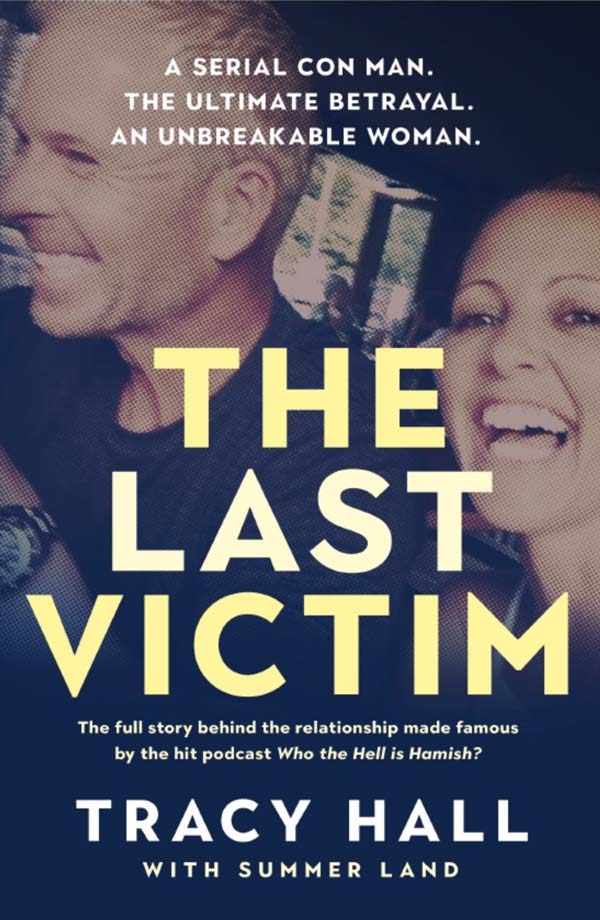
When the book launched, Hall left her 26-year corporate career and started her own business.
She now speaks at conferences, corporate events and financial organisations, runs workshops, advocates for victims of financial crime and writes about scams and fraud from the victim's perspective.
The career change has reduced her income, at least for now.
But Hall is building the business deliberately and believes in the work she is doing.
"The world needs people who will stand up and advocate for people who don't yet have a voice," she says.
Why smart people still get scammed
Hall wants people to understand that modern scams are not simply a matter of spotting a clumsy email or suspicious link.
Many are run by professional criminal organisations with data, scripts and technology years ahead of what most of us encounter day to day.
"These are not opportunistic creeps in a basement down the road. This is industrialised crime," she says.
The first line of defence is accepting that intelligence, education and professional success do not make anyone immune.
"We all like to think that we're less vulnerable than we are," she says.
But everyone can have an off moment.
A convincing message may arrive when you are distracted, under pressure or rushing to get things done.
"Being targeted at the wrong moment with the right thing, we are all vulnerable."
Nor does financial crime fit a single demographic.
At Hall's speaking events, women often raise their hands to share their experiences with the room.
Men tend to wait.
"They'll come up and whisper, 'This happened to me'," she says.
And the most common target may not be who you think.
A senior fraud executive at a major Australian bank recently told Hall that men in their sixties were the group most often targeted, perhaps because they may have accumulated savings and feel confident assessing investment risks.
"It's not just women who get scammed," she says. "It's just that men don't say it loudly."
Hall's advocacy ranges from better support services for victims of financial crime to compulsory government-issued identity verification on dating apps.
She is also concerned about the growing use of artificial intelligence, fake profiles and coercive tactics online, including teenage sextortion.
Hall believes society needs to develop what she calls "trust literacy".
"We're taught financial literacy and digital literacy, but rarely how trust is created, transferred, exploited or defended," she says.
"And we're in a world where trust is being eroded more aggressively than ever."

Turning loss into purpose
At 50, Hall has turned the worst experience of her life into a new career.
"I'm excited that this horrible experience has given me an opportunity to reinvent myself," she says.
"I know these conversations are having an impact."
She is also optimistic about the role Australia could play in improving digital safety.
"I'm excited about Australia possibly being a leader to the rest of the world," she says.
The crime may always be part of Hall's story.
But she is determined that it will also help shape what happens next.
"What's done is done, I can't change it," she says.
"What I can do is try and make it better for the next person."
To contact Tracy Hall about a keynote or workshop, visit tracyhall.com.au.
Get stories like this in our newsletters.