US flight shutdown: are you covered by travel insurance?




Stranded by the US flight shutdown? Here's when travel insurance may help, and when it won't.
Few things derail a holiday faster than a departures board full of cancellations.
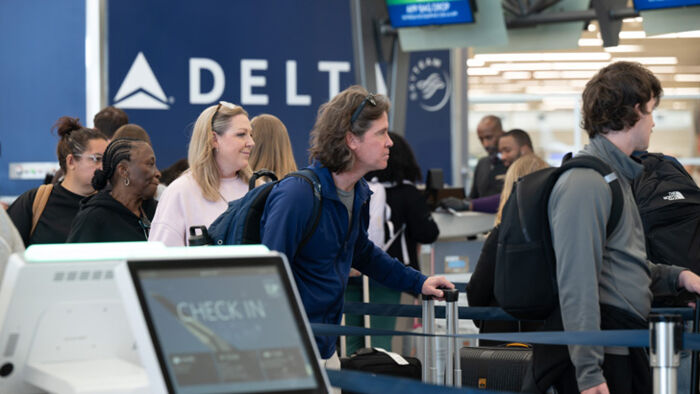
That's the situation thousands of travellers found themselves in last week, when an air traffic control communications failure grounded flights across the US. The roughly four-and-a-half-hour shutdown began on Friday, November 13, triggering mass cancellations and delays that rolled on through the weekend, even after services resumed.
Then, on Tuesday, a separate technology outage at United Airlines delayed hundreds more departures.
For travellers left with missed connections and unexpected hotel bills, it raises an important question: who pays, and will travel insurance help?
The good news is that travellers who are already overseas may have options. However, cover depends heavily on what caused the disruption and which benefits your policy includes.
Are air traffic control failures covered?
Travel insurance doesn't automatically cover every flight cancellation. Most policies list the specific events and circumstances you can claim for, and an air traffic control or airline technology failure isn't necessarily one of them.
That makes these disruptions less straightforward than those caused by severe weather or natural disasters.
But if you're already overseas when it happens, the picture can change. Your airline remains the first point of contact for rebooking, but some policies may help with reasonable additional expenses during an extended delay, provided you meet the policy conditions.
Travel delay cover: what to check
If you're caught up in a major disruption, look closely at your policy's travel delay, cancellation and missed connection benefits.
Travel delay benefits typically only kick in after a set period, often six hours, depending on the policy. Check how long your delay needs to be before you can claim, what expenses are covered and the maximum amount you can claim, as these limits vary significantly between policies.
Missed connections work differently from policy to policy too. Some include a specific missed connection benefit, while others may cover you through their travel delay or additional expenses provisions.
This is where comparing policies before you travel pays off. Sites like Comparetravelinsurance.com.au let you see side by side how delay waiting periods and benefit limits differ between insurers.
When travel insurance can help
There are plenty of situations where travel insurance is designed to step in.
Severe weather, natural disasters, strikes and other insured events may trigger cover under certain policies, particularly when they stop you from reaching your destination or continuing your journey as planned.
Depending on your level of cover, benefits may include additional accommodation, meals and transport costs, or certain cancellation and travel disruption expenses.
And if you've already departed, travel delay benefits can be particularly valuable when you're left waiting for an alternative flight or somewhere to stay.
Caught in a flight disruption? Here's what to do
- Contact your airline first. Check whether your flight has been cancelled or delayed, and ask about rebooking options and any assistance available.
- Keep your receipts. Hold on to receipts for extra accommodation, meals, transport and other expenses.
- Document the disruption. Save airline notifications, cancellation emails and any other relevant communications.
- Check your policy. Review the benefits, exclusions and eligibility requirements for delays, cancellations and missed connections.
- Talk to your insurer. If you've incurred costs the airline isn't covering, or you're unsure whether an expense is covered, speak with your insurer before taking on significant extra costs where possible.
Check your cover before you go
The best protection is knowing what your policy covers before you leave.
No policy covers every scenario, but the right cover can give you valuable financial protection and peace of mind when things don't go to plan.
Read your insurer's Product Disclosure Statement (PDS) before you travel, get to know the exclusions, and contact your insurer if you're unsure whether an unexpected expense is covered.
Get stories like this in our newsletters.