Why skipping the wedding won't protect your assets




$38,000 weddings are pushing Aussies to skip marriage. But moving in could cost you more than you think.
The average Australian wedding now costs $38,252, up 8% in a year, as cost-of-living pressures force couples to rethink how they commit.
Instead of splurging on one day, more couples are moving in together, pooling money toward property or everyday expenses.

But in Australia, that decision can come with many of the same legal and financial consequences as getting married.
So where does a binding financial agreement (BFA) comes in?
Why more couples are ditching the aisle
Weddings are blowing out by 23%, forcing couples to rethink the cost of 'I do'.
The latest Australian Wedding Industry Report shows couples are spending 23% more than planned on average, driven by higher supplier costs, rising expectations and personalised celebrations.
The cost of weddings in 2026
Source: Easy Weddings, Australian Wedding Industry Report 2026 |
For some, that's enough to skip the aisle altogether.
South Australia's Katharine Crane says a wedding never made financial sense.
After 17 years with her partner and a child together, she sees little reason to formalise it.
"We joke about going somewhere to get married, but does a piece of paper really change anything?" she says.
"Yes, it's a lovely big party. But at the same time, it costs a lot."
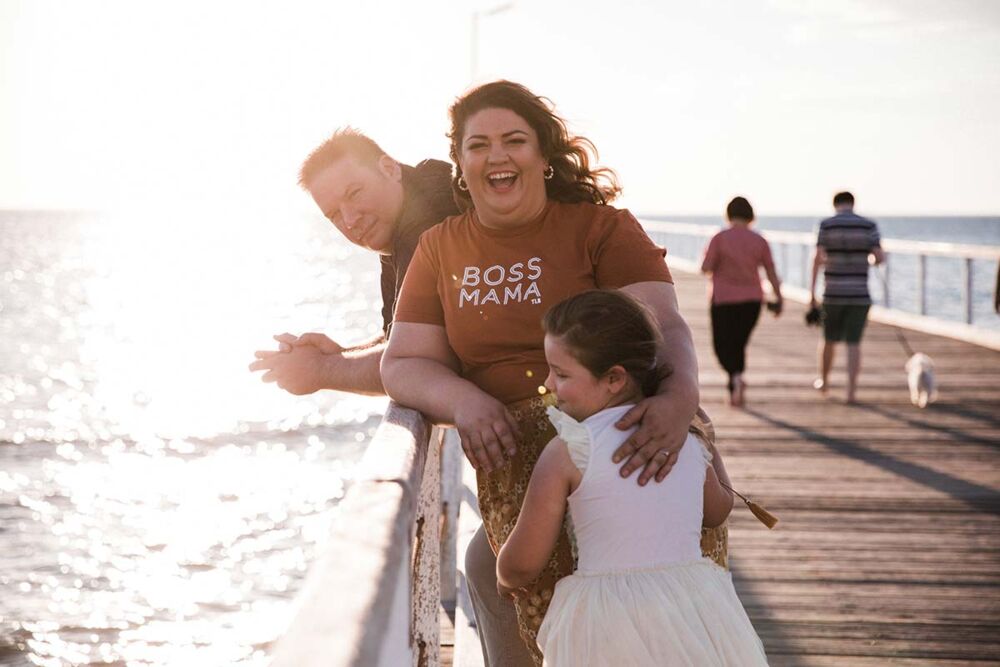
Crane says even a modest wedding could cost up to $15,000 - money she'd rather put towards an investment property.
"From a legal perspective, getting married wouldn't change anything either."
When moving in together triggers de factor legal status
Living together can give your partner the same rights as a spouse under Australian law.
If you live together for two years, or have a child, you're generally considered de facto. That means assets can be split if the relationship breaks down.
Skipping the wedding doesn't mean skipping the risk.

ABS data shows 120,844 marriages were registered in 2024, slightly up from 118,439 the year prior.
But couples don't need to marry to fall under the Family Law Act. De facto relationships apply when two people live together on a genuine domestic basis.
Asset division: What happens if a de factor couple splits?
If a relationship ends, courts will assess whether a de facto relationship existed before dividing assets.
They consider factors such as how long you lived together, shared finances, children, and how the relationship was presented publicly.
Legal experts warn that many couples underestimate the financial consequences.
Key upcoming change: From July 1, 2026, Legal Aid NSW has also cut grants across a range of family law matters following Federal Budget changes. That means many separating couples may need to cover legal costs themselves.
If you're skipping the aisle to save cash, protective paperwork shouldn't cost you what you saved.
Here is the step-by-step reality of securing a BFA in Australia.
- Step 1: Audit your individual asset pool
Before speaking to professionals, both partners must independently list all current assets, including superannuation, property and shares, as well as debts. Full financial disclosure is legally required for the agreement to hold up in court later. - Step 2: Draft the mutual terms
Discuss how assets acquired during the relationship should be split. Will house contributions be 50/50, or relative to income? Put these intentions down in writing as a basic framework. - Step 3: Retain independent legal representation
This is non-negotiable. Under Australian law, a BFA is invalid unless both partners receive independent legal advice from separate family lawyers, who must sign a certificate confirming advice was given. - Step 4: Execute and store safely
Once both lawyers review, amend and sign off on the document, execute the agreement. Keep physical and digital copies safe. There is no public registry for BFAs in Australia.
How to protect yourself
Research from the Australian Institute of Family Studies shows many Australians don't fully understand how the law treats their relationships.
De facto relationships have surged, rising from 6% of couples in 1986 to 20% today. More than 80% of couples now live together before marriage.
Money habits are also shifting. While 78% of couples have a joint account, 47% keep separate finances.
Experts recommend documenting financial contributions and say couples should consider a BFA before moving in.
Also known as a prenup or cohabitation agreement, it sets out how assets will be divided if the relationship ends.
Both partners must get independent legal advice for it to be binding.
The $6000 wedding alternative
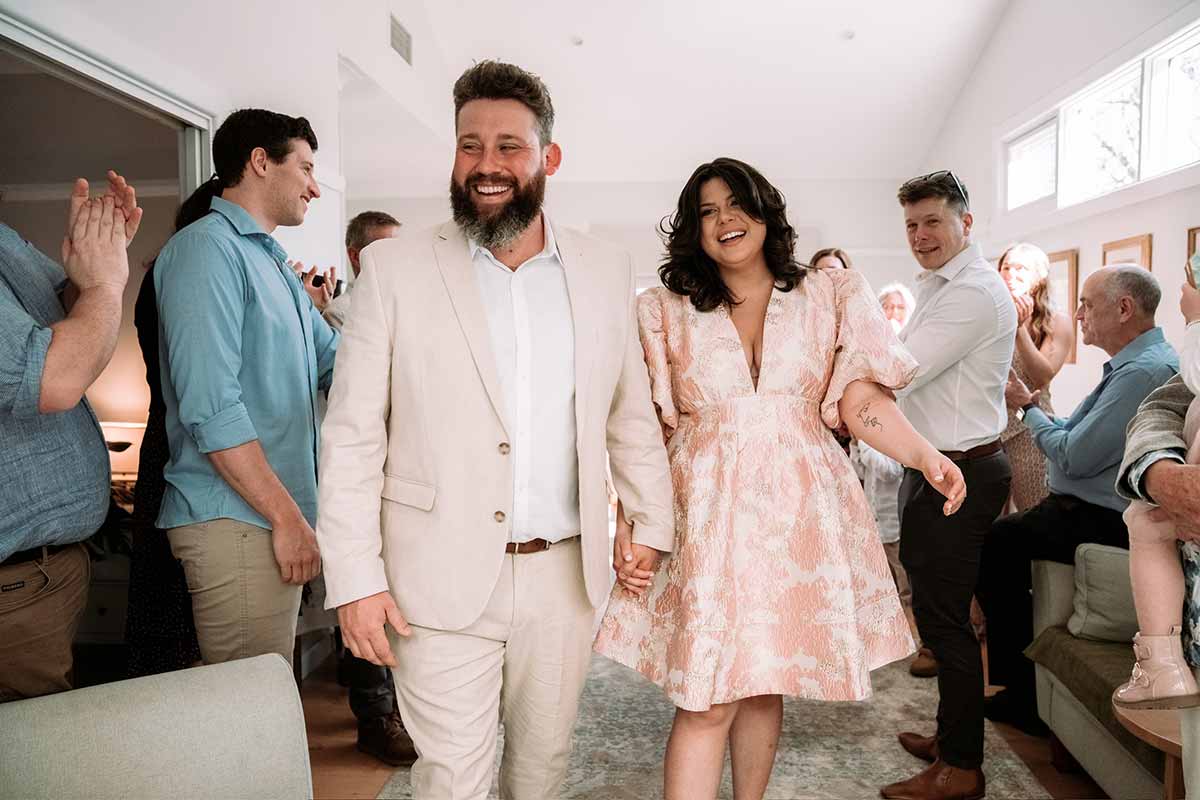
Southern Highlands PR executive Allie Cracknell took a different approach, keeping her wedding to just $6000.
After having a baby, the 32-year-old opted for a simple, intimate ceremony instead of a traditional wedding.
"It didn't make sense to spend tens of thousands on one day when we had a child to raise and bills to pay," she says.
She held a small ceremony at home with close friends and family.
"It was small, intimate, meaningful and affordable."
Online communities are also shaping decisions, with forums like Reddit's r/AusWeddingPlanning drawing millions of views from couples sharing real costs.
The community received 108 million views in the last 12 months as couples turn to real, unfiltered communities to navigate the pressure, expectations and rising costs that come with planning a wedding in 2026.
While Allie admits she loves big weddings, it wasn't the right choice for her.
"The house was small and the budget was tight. In many cases, big weddings aren't really for the bride and groom. They're for everyone else.
"Because honestly, if it were entirely up to me, I would have run down to that registry office in a heartbeat."
For many, the shift is simple: less about the big day, more about long-term financial security.
Get stories like this in our newsletters.


 Reply
Reply