$26 million: Westpac fined for failing struggling customers




Major bank penalised, super contribution deadline looms and do home security cameras really reduce premiums? Here are five things you may have missed this week.
"Grossly negligent": Westpac fined $26 million for hardship failures
Westpac has been slapped with a $26 million penalty for failing to adequately respond to over 200 customers experiencing financial hardship between 2017 and 2023.
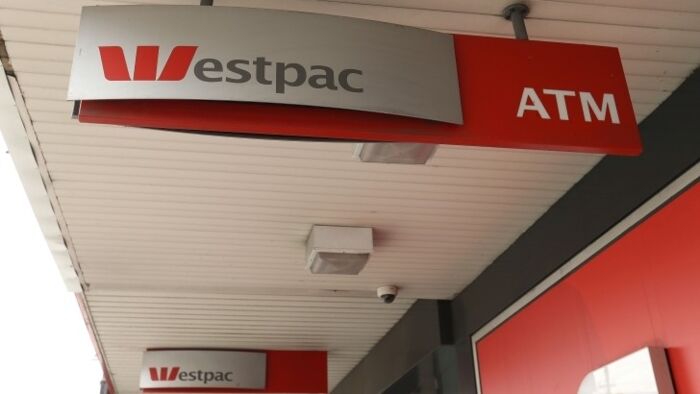
The Federal Court described the failures as "grossly negligent".
The requests for help were made by customers of Westpac and its subsidiaries - St George Bank, Bank SA and Bank of Melbourne, who reached out to the bank after struggling to meet repayments on home loans, credit cards, personal loans and car loans.
Some customers waited for weeks longer than the 21-day legal deadline for a response. Others got no response at all.
Westpac has since paid more than $1.7 million to the affected customers, including refunds of fees and interest, and compensation for non-financial loss.
However, Sarah Court, deputy chair of the Australian Securities and Investments Commission (ASIC), says the penalty sent a clear message to Westpac and other lenders to step up and do better when customers ask for help.
"Westpac failed the very customers who needed help when they needed it most," notes Court.
"These were customers who were asking for some breathing room for a range of reasons including domestic abuse, natural disasters, serious illness or the loss of their job.
"Instead of providing a safety net for these customers, Westpac's systemic failures let them slip through the cracks."
Time is running out for tax deductible super contributions
As we head into June, it's time to get cracking with before-tax (concessional) super contributions.
You may be able to claim a tax deduction for personal contributions to your super though limits apply. In the current financial year, tax-deductible contributions are capped at $30,000.
This includes your employer's compulsory 12% super payments plus any salary sacrifice contributions of your own.
However, you may be able to take advantage of carry forward contributions. These are the balances leftover from unclaimed contributions over the past five years.
Either way, it pays to get cracking with personal contributions especially if you plan to claim them on tax.
It takes time for super funds to process contributions, and some of the larger funds like Aware Super, are advising members that the cut-off date to add to your super this financial year is Friday June 26.
That leaves a little over three weeks to tip money into your fund if you want to claim a contribution on tax.
Electricity bills could plunge 10.7%
After years of being slugged with rising electricity bills, households in several states are set to enjoy a welcome break.
The Australian Energy Regulator (AER) has cut the default market offer (DMO) for many households across New South Wales, South East Queensland and South Australia.
Prices are expected to fall by up to 7.7% in New South Wales, 10.7% in south-east Queensland and 1.1% in South Australia for households using smart meters on a time of use standing offers.
For those on a flat rate standing offer, prices will fall between 3.4% and 5.0% in New South Wales and 7.2% in south-east Queensland, while households in South Australian households will see prices increase by 1.4%.
It's all thanks to skyrocketing levels of renewable energy and more reliable coal-fired generators.
Clare Savage, AER chair, says it's still important for consumers to explore the market and shop around for the best deal.
As a reminder, she points out that retailers are required to tell their customers at least once every 100 days if they could offer them a better plan.
"Once new prices take effect in July, it will be worth exploring which retailers offer further discounts."
Can home security cameras reduce your premiums?
It's estimated more than one in three Aussies use home security cameras.
A Canstar survey shows homeowners are spending, on average, $458 on home security products, with over one in ten (12%) installing cameras in a bid to lower home insurance premiums.
But cameras can dish up unsettling findings that don't always reduce premiums. One-quarter of Canstar's respondents with security cameras saw people trespassing on their property.
One in ten found someone attempting to break into their home, and 7% saw an attempted vehicle theft.
Apart from unearthing dodgy habits among the locals, will home security cameras mean a discount on home insurance premiums? Not necessarily.
Insurer Youi, says home security cameras may make no difference to premiums, though alarm systems - like monitored back-to-base alarms - can be considered when calculating premiums.
That makes it worth talking to your insurer before investing in home security measures.
NSW residents can save over $500 on new air con
Monday marks the start of winter. But it pays to be prepared for the summer ahead.
This week saw London swelter in temps topping 35 degrees. For comparison, Dubai, in the United Arab Emirates, saw the mercury climb to 34 degrees.
Does that make London the Dubai of Europe? Probably not.
But it is a reminder that the winter months can be a good time for Aussies to get on top of home cooling ahead of the summer heat.
The good news is that New South Wales residents may be able to save by taking advantage of the state's air conditioner upgrade incentive.
This scheme allows NSW residents to access a discount from the NSW Government's Energy Savings Scheme to lower the cost of installing a new energy-efficient air conditioner or replacing an old one with a more efficient model.
If you're eligible, discounts can be worth up to:
- $550 if you install a new 6kW air conditioner system
- $560 if you replace an old air conditioner with a 6kW split system.
Your ability to access the scheme can depend on whether your location is serviced by installers who offer the incentive.
To know for sure, speak to local installers or head to NSW Climate and Energy Action for more details.
Get stories like this in our newsletters.