Aussies are lining up to buy gold but is it worth it?




As investors seek safety in gold and silver amid a volatile geopolitical backdrop and a softening global economy, Sydney has become home to a curious new scene.
Long queues stretch around the city, where people wait patiently to enter the physical storefront of a gold bullion dealer.
It feels almost anachronistic. In an age where groceries arrive in hours, payments clear in seconds, and nearly every asset can be traded online, many investors still prefer to buy their gold the old-fashioned way... by hand.
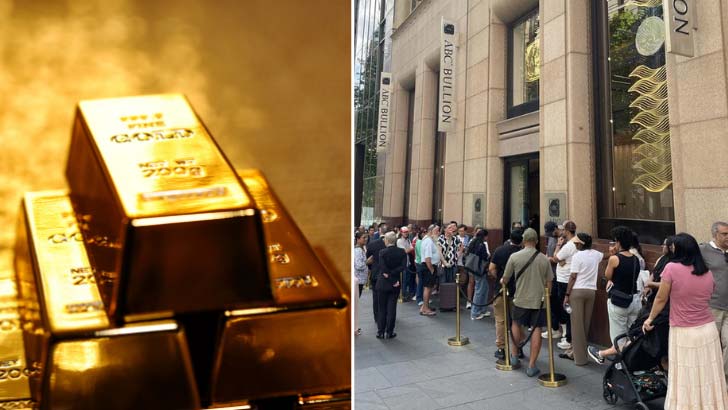
Buying physical bullion, though, isn't just a fun throwback. It's expensive and time-consuming, as anyone standing in those lines could tell you.
For most investors, a gold or silver ETF offers a far more efficient alternative. These funds provide exposure to physical bullion at a fraction of the cost, some as little as 0.15% per year, without the added burden of insurance, storage, or brokerage fees.
Rather than clutching gold bars on the street or hiding them under the bed, investors can own gold directly through an ETF traded on the ASX. Each investor's holdings are backed by specifically allocated gold bars stored in high-security vaults and verified by independent auditors.
These funds are professionally managed, ensuring the gold is properly stored, insured, and accounted for at all times. Safekeeping aside, liquidity is one of the biggest advantages - investors can buy or sell their holdings in seconds, with no queues, no haggling over premiums, and no need to handle the metal themselves.
That said, you can hardly blame the people for queueing up.
Gold and silver could be the trades of the year.
Retail investors everywhere have adopted a "better late than left behind" mindset as markets wobble and headlines grow darker. Some of the demand is sound portfolio hedging, but much of it is good old-fashioned FOMO as precious metals have outshined nearly every other asset.
Even central banks are piling in. With debt mounting in the United States, France, and Japan, traditional safe havens like bonds and cash no longer look quite so safe. Central banks have bought more than 1000 tonnes of gold each year since 2022, a signal that the rush for hard assets isn't limited to retail crowds.
But before heading out to join the queues, consider this: the Global X Gold Bullion ETF (GXLD), Australia's lowest-cost physical gold ETF, charges just 0.15% per year - that's $1.50 per $1000 invested.
Compare that to the 1.5%-2.5% storage fees charged by many bullion providers (plus insurance and brokerage premiums), and the difference quickly adds up.
If that isn't convincing enough, investors' actions speak for themselves.
As of October 20, 2025, Australian gold ETFs have attracted a record $997 million in inflows year-to-date, surpassing the previous annual record of $981 million set in 2020.
Investing in gold-backed ETFs is not only cheaper and more accessible than holding bullion - it also saves investors from the hidden costs and long waits of physical ownership.
In today's markets, that time and efficiency might just be worth their weight in gold.
Get stories like this in our newsletters.