Five money stories you missed this week




Qantas Frequent Flyer scheme radically overhauled, singles flock to Help to Buy, and are you owed $30,000 in Medicare refunds? Here are five things you may have missed this week.
What's changing in the Qantas Frequent Flyer scheme?
Having just announced a half -year pre-tax profit of $1.46 billion, Qantas is once again reshuffling its Frequent Flyer rewards scheme.
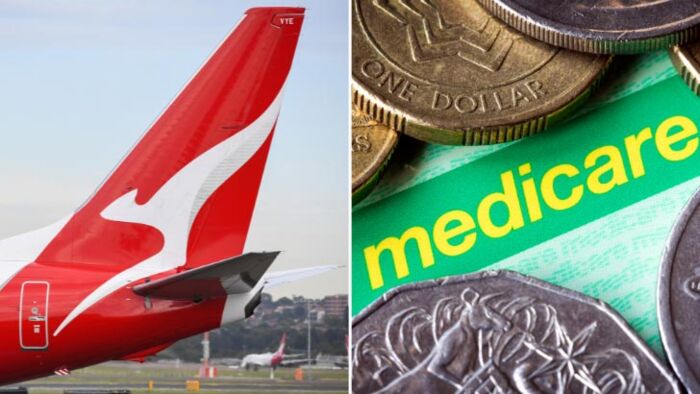
The changes, being hailed by Qantas as the biggest in the loyalty scheme's history, will make it easier for the program's 18 million members to earn the points needed to jump to the next tier of rewards and enjoy more perks such as priority boarding.
Members will also be able to earn status credits through everyday spending, rather than having to book a flight.
From 2027, the scheme will move to a single status credit target for each tier. Gold status, for instance, will require 700 status credits annually, up from 700 to attain and 600 to retain.
While Qantas Frequent Flyer members will likely have mixed views on the changes, investors were decidedly unimpressed by both the airline's half-yearly profit - and its pledge to pay $300 million in fully franked dividends.
Within hours of the profit result being announced on Thursday, Qantas shares had dived more than 7%.
Why singles are leading the demand for Help to Buy
The Albanese government's Help to Buy Scheme was launched on December 5, 2025, but already 2356 home-buying applicants have been approved.
It turns out singles are driving demand for the shared equity scheme, which sees the federal government contribute up to 40% of the purchase price of new homes and up to 30% for existing homes.
A whopping six in 10 (64%) applicants for Help to Buy are single home buyers, with one in 10 being solo parents.
These numbers coincide with a Domain report that reveals the challenges singles can face when it comes to buying a home.
Domain found that in Sydney, Australia's most expensive city for real estate, a single buyer would need annual income of $232,000 to afford a median priced house. And that's assuming a 20% deposit.
Every other state capital would require a solo buyer to earn at least $110,000 annually to get a toehold in the market.
Housing Australia, which manages the Help to Buy scheme, found successful applicants had a median deposit of just $29,000.
How to check if Medicare owes you money
Health insurance premiums are set to rise by an average of 4.4% from April 1.
It's a tough blow for families already facing higher mortgage repayments.
But it could be worth taking a few minutes to check that Medicare has your correct bank details.
Services Australia reports that over $271 million in unpaid Medicare benefits is owed to almost one million Australians.
Some people are owed over $30,000 each.
You can check if Medicare has up to date bank account details by logging into the myGov portal and heading to your Medicare online account.
Or visit the Services Australia website for more details.
Is the $250 washing machine offer real?
Chances are you've seen it on social media - a promotion about the NSW government offering 6,500 washing machines to pensioners, veterans and social housing tenants.
It may sound too good to be true.
But it isn't.
The 'washing machine exchange program' re-launched this week after successful take-up in 2025.
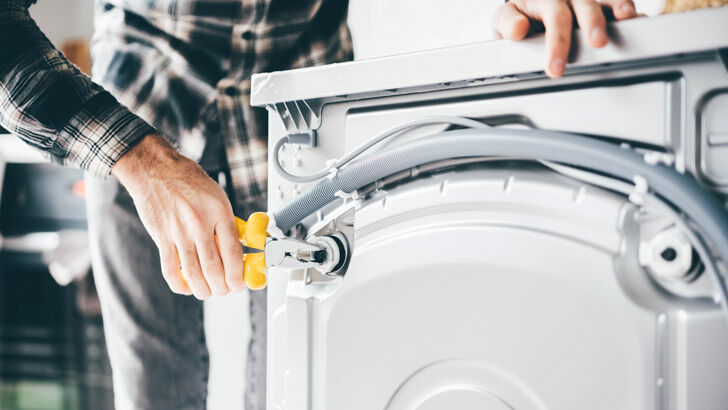
The idea is that low-income households pay just $250 to swap their old, inefficient top-loader for a new, water and energy efficient front-loader. Your old machine will even be carted away at no extra cost.
It's estimated the new machines will see eligible households save around $300 annually on water, electricity and detergent costs.
To know if you're eligible, head to the Service NSW website.
How seniors can avoid under-spending their super
Super is designed to support seniors in their golden years, however nine out of 10 Australians worry about running out of money in retirement.
That sees plenty of retirees stick to government-mandated minimum drawdowns, which start at just 4% of super savings annually.
The Gratton Institute warns that sticking to minimum drawdowns will leave the typical retiree with 65% of their super unspent by the time they die - meaning seniors have denied themselves a more rewarding lifestyle.
Aware Super may have come up with a simple, low-cost solution.
This month saw Aware launch Retirement Manager, an online tool that helps members aged 60 and over understand how much they can spend in retirement, and how long their money will last. It can even estimate Age Pension eligibility.
According to Aware, 96% of retiring members who used Retirement Manager chose to draw more out of super than the minimum.
Aware's group executive of member growth Steven Travis says, "This is a major breakthrough in retirement planning.
"When members can build a plan in their own time, optimise it for different scenarios and get immediate feedback on the strength of their plan, it gives them greater confidence to draw down on their savings."
Get stories like this in our newsletters.