This IPO could make history, and Aussies can buy in




A potential history-making IPO, $5000 pet bills and billions in lost money, here are five money stories you may have missed this week.
SpaceX IPO could be biggest ever
SpaceX could be about to make stock market history, and Australian investors may get a way in.
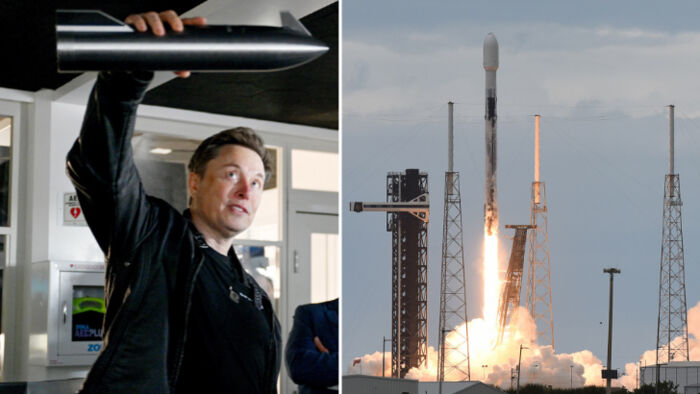
Elon Musk, CEO of SpaceX, has formally lodged paperwork with the US Securities and Exchange Commission to list his space company on the Nasdaq, setting up what could become the biggest IPO ever.
While pricing hasn't been confirmed, early expectations suggest the float could raise about $US1.75 trillion, roughly $2.5 trillion, putting it in record territory.
It's a bold move, but not without risk.
The filing shows SpaceX generated $US18.67 billion in revenue in 2025, while still posting a loss of $4.94 billion, highlighting the high-cost nature of the space race.
For investors, the opportunity may extend beyond buying shares directly. Once listed, SpaceX is likely to appear in major exchange traded funds, offering indirect exposure for Australians.
The $5000 pet bill many can't afford
A vet visit could cost thousands, and many Australians worry they won't be able to pay.
New research from Royal Canin shows 78% of pet owners are concerned about affording veterinary care, despite two in five seeing their pet as a family member.
Some say they'd stretch their finances. One in four would pay up to $5000 for treatment, while almost one in ten say there's no limit.
But the reality is different.
Nearly two-thirds of pet owners don't have insurance, and vets say cost is a major barrier. One in two reports that up to half of the recommended treatments are declined because owners simply can't afford them.
Insurance can help, but it comes at a price. Pet cover can cost more than $800 a year, and like human health insurance, policies often include waiting periods before claims are paid.
Why car parks are pushing up home prices
You could be paying tens of thousands for a car space you don't even use.
Mandatory parking requirements in new developments are pushing up apartment prices across Australia, even as many of those spaces sit empty.
Research from the Grattan Institute shows up to 40% of car spots in some buildings are vacant each night, yet buyers are still footing the bill.
The added cost is significant.
Parking requirements can inflate the price of a two-bedroom apartment by about $70,000 in Sydney, $62,000 in Melbourne, and more than $100,000 in Brisbane and Perth.
That's money many buyers don't need to spend, especially as fewer inner-city residents rely on a car.
The Grattan Institute wants governments to change the rules, allowing parking to be bought or rented separately from apartments.
For buyers, this could mean lower upfront costs and more choice. It could also free up construction resources, with Grattan estimating the savings could help deliver more than 9000 additional homes.
One in four Aussies lifting card limits to cope
More Australians are turning to credit cards to manage rising costs, but the short-term fix may come with long-term risks.
One in four cardholders have applied to increase their credit limit in the past year, according to Money.com.au, with the average boost sitting at $3,000, about 30% of a typical limit.
For some households, it's a way to stay on top of everyday expenses.
But experts warn it can be a slippery slope.
A higher limit can offer flexibility, yet it may also point to growing reliance on credit. As balances rise, they can quickly become harder to repay, increasing the risk of longer-term debt.
There are other consequences to consider, too. Requests to lift your limit can appear on your credit report, potentially raising concerns for lenders and affecting your ability to borrow in the future.
The shift comes as changes to credit card surcharges loom. With a ban set to take effect from October 1, 2026, reward programs could lose value, prompting more than one-third of Australians to think about using points for everyday essentials instead.
Millions in lost money, could some be yours?
There are billions of dollars in lost money sitting unclaimed in Australia, and some of it could be yours.
ASIC says $2.7 billion is waiting to be reunited with its owners, from forgotten bank accounts to old shareholdings and insurance payouts.
And that's just the start.
Unclaimed super adds another $19 billion, taking the total pool of lost money to a staggering level.
Interest in tracking it down is rising fast. Visits to ASIC's Moneysmart unclaimed money tool have jumped 74% over the past year, as more Australians realise they may be missing out.
Some of the funds have been sitting untouched for decades, with records dating back to the 1950s. One unclaimed amount alone is worth $1.3 million.
The good news is there's no deadline to claim.
You can search for free using ASIC's Moneysmart tool, and there's no need to pay private services to do it for you.
Get stories like this in our newsletters.

 Reply
Reply