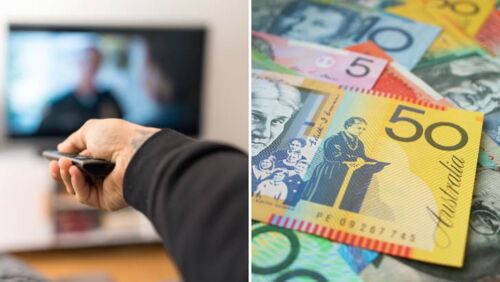
ACCC sues Microsoft for allegedly misleading 2.7 million Aussies




Has Microsoft ripped off 2.7 million Australians? Home co-buying surges 33%, and the annual cost of the work commute revealed. Here are five things you may have missed this week.
ACCC sues Microsoft for allegedly misleading 2.7 million Australians
Australia's consumer watchdog - the ACCC, is pitting itself against Microsoft, one of the world's biggest companies.

The ACCC alleges the tech giant misled 2.7 million Australians over its Microsoft 365 subscriptions.
The ACCC claims that since October 31, 2024, Microsoft has told subscribers of Microsoft 365 Personal and Family plans with auto-renewal, that they would need to accept the integration of Copilot (an AI assistant) and pay higher prices for their plan, or cancel their subscription.
The catch, according to the ACCC, is that there was an undisclosed third option - the Microsoft 365 Personal or Family Classic plans, which allow subscribers to retain the features of their existing plan, without Copilot, at the previous lower price.
ACCC chair Gina Cass-Gottlieb says, "We're concerned that Microsoft's communications denied its customers the opportunity to make informed decisions about their subscription options, which included the possibility of retaining all the features of their existing plan without Copilot and at the lower price.
"We believe many Microsoft 365 customers would have opted for the Classic plan had they been aware of all the available options."
If successful, the ACCC's 'see-you-in-court' approach could see Microsoft face penalties, injunctions, consumer redress, and costs.
How co-buying is helping Aussies enter the property market
High property prices are making it hard for first home buyers to buy a place solo.
But they're not giving up on the goal of home ownership.
NAB reports a 33% surge in friends and family buying a home together.
Felix Sekulla, NAB home lending executive, says many first home buyers are exploring various paths to home ownership.
"Some are teaming up with family or friends to purchase together, sharing the financial responsibility to crack the market sooner.
"Others are opting to rent-vest. Continuing to rent where they want to live while buying in a more affordable location.
"Many are also broadening their search, considering townhouses instead of standalone houses or looking at different suburbs to find better value," adds Sekulla.
Buying with someone you trust, such as a close friend or family member, might not be the right strategy for everyone.
But for many, Sekulla says it can be a chance to "buy sooner, or buy in an area you might not be able to afford on their own."
How much does commuting really cost Australians?
The average commuter pays around $19 per working day, or over $3500 annually just to get to and from work.
That's according to a report by Real Insurance, which shows nearly one in two commuters say increased commuting costs have put pressure on household finances.
Workers are fighting back, with more than four in five Australians applying tips and tricks to cut commuting costs.
The top three cost-saving tactics include:
- Finding the best fuel deal (44%)
- Using public transport (33%), and
- Avoiding toll roads (30%).
Plenty of employees are keen to go a step further.
Close to three in five commuters would only consider jobs that allow at least a few days of remote work to avoid commuting time and expenses.
Nearly one in two (48%) commuters have - or would like to have - a commute buddy.
Could be a cue to chat with colleagues about sharing the time or cost of the long drive to work.
Are you paying too much on your credit card?
Analysis by Agile Market Intelligence shows credit card holders have the lowest level of engagement across all types of debt.
Over one in ten (11.6%) cardholders have never compared the rate they are paying to the broader market.
By contrast, only 3.7% of home owners aren't sure about how their home loan rate stacks up, and just 2.7% of property investors don't know how their investment loan rate compares to market interest rates.
This suggests that high-value secured lending, such as home loans, receives far more scrutiny among consumers than everyday credit products.
That's despite credit cards typically carrying significantly higher interest costs.
Michael Johnson, director at Agile Market Intelligence, says, "What we're seeing is that a lot of consumers are actively monitoring the market and making switching decisions based on rate competitiveness, especially in times of economic uncertainty.
"With the myriad of digital tools and brokers available, institutions need to make sure they're not charging any loyalty tax to their customers."
$19 billion in lost super: How to check if it's yours
The Australian Taxation Office (ATO) is urging Australians to reconnect with their lost super.
And there's plenty waiting to be found.
According to the ATO, almost $19 billion in lost and unclaimed super could be claimed by over 7 million people.
That's close to one in four Australians who could have more super than they realise.
The average unclaimed super balance is $2590.
It may not sound like much but it could grow to tens of thousands by retirement.
To check if any of the lost and unclaimed funds are yours, head to 'Super health check' on the ATO website.
Get stories like this in our newsletters.