Gen X overtakes Boomers as Australia's richest homeowners




Gen X takes the crown for housing wealth, the super fund that tops 10-year returns, and CFD investors refunded $40 million. Here are five things you may have missed this week.
Gen X takes the lead on property wealth
New research by KPMG debunks the myth that Baby Boomers have a tight hold on the nation's property market.
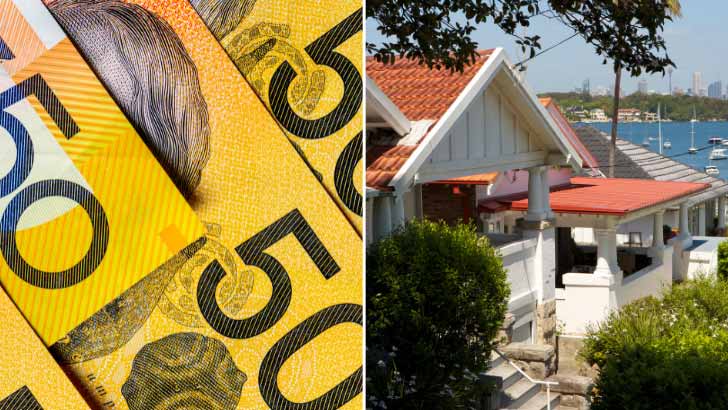
It turns out Gen Xers (those born 1965-1980) take the prize as the wealthiest property owners, averaging $1.455 million in housing wealth per household, compared to $1.366 million among the Boomers.
KPMG Urban Economist Terry Rawnsley explains the shift in Boomer's housing wealth, saying, "The great wealth transfer is in full swing, as Baby Boomers start downsizing properties and moving that wealth into cash."
Millennials (born 1981-1996) aren't doing too badly, with housing wealth of $891,000. But their average household debt of $460,000 is the highest across the generations.
Hostplus tops 10-year returns for super
SuperRatings has revealed the nation's highest performing super funds over the last 10 years for a 'balanced' investment option.
Leading the field is Hostplus with returns averaging 8.7% annually over the last decade, closely followed by Australian Retirement Trust (8.5%).
While there's not a lot in it between the top 10, the real clincher that can shape super's long term performance is your choice of investment option.
SuperRatings looked at what $100,000 invested in various investment options back in 2010 would be worth today - assuming no further contributions.
The results were:
- Growth option - $337,878
- Balanced - $304,911
- Cash - $146,378.
It goes to show the value of having at least some exposure to growth options even as we head into retirement.
CFD investors refunded $40 million
The Australian Securities and Investments Commission (ASIC), has secured refunds totalling $40 million for 38,000 retail investors who dabbled in 'contracts for difference' (CFDs).
CFDs offer a way to bet on a change in the value of assets like shares, currencies and commodities without owning them.
While the actual price movements may be small, the use of leverage together with fees can significantly magnify losses.
ASIC Commissioner Simone Constant explains, "These are complex, high-risk products, where most investors face losses, and even profitable trades can be entirely eroded by trading costs."
In the 2024 financial year, for instance, almost seven in ten retail CFD investors racked up losses - to the tune of $458 million including $73 million in fees.
In a review of 52 CFD issuers, ASIC identified a number of questionable practices including potentially misleading marketing.
Constant believes ASIC's intervention has driven improvements in the sector. However, this doesn't alter the high-risk nature of CFDs, and she urges Australians "to pay close attention to what they are being offered."
One in four drivers lie to save on car insurance
One in four (23%) drivers admit to fudging their car insurance application.
Finder research shows the most common fib is where a car is parked, with 9% of drivers falsely claiming it's parked in a garage, rather than on the street.
An additional 8% downplayed the amount they drive, while 7% haven't listed all drivers on their policy.
Telling a small lie to shave a few bucks off your premium can sink a claim.
Finder's Taylor Blackburn says, "When something goes wrong, the facts matter more than the premium you saved.
"At best, your claim is denied. At worst, you're facing an insurance fraud case."
It makes a lot more sense to shop around for cover at renewal time.
Consumer group CHOICE found that in several states the difference between the cheapest and most expensive policies can top $1000.
Virgin extends $149 flights for pets
Virgin Australia has extended its 'Pets in Cabin' trial, which was due to end this month.
Pets can now join their owners on flights between Melbourne and the Gold Coast and Melbourne and the Sunshine Coast until 30 June 2026.
Virgin says the decision to extend the trial follows bookings "well above initial forecasts".
Over the Christmas period alone, more than 300 dogs and cats took off with their owners.
Owners can expect to pay $149 (or use 18,600 Velocity points) to bring their fur-baby onto a flight.
Large breeds need not apply. Pets and their carrier must weigh less than 8 kilos.
Sounds like additional pet-friendly routes could be in the wings, with Virgin Australia's Libby Minogue, saying, "We look forward to expanding the service to other eligible Virgin Australia domestic flights soon."
Get stories like this in our newsletters.