Why the next Reserve Bank call should be simple




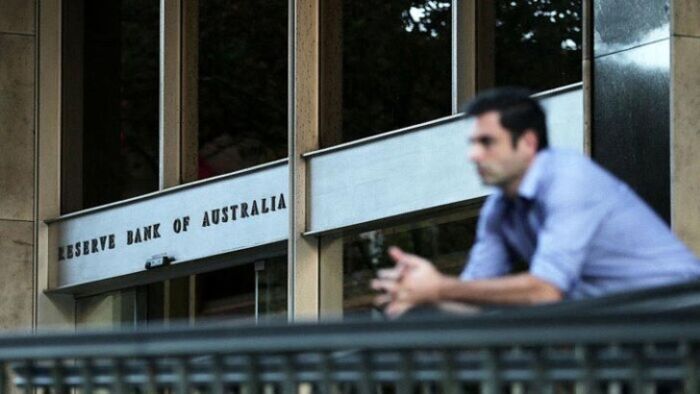
Next month's interest rate decision is shaping up as one of the easiest calls the RBA has had in years, yet the policymakers sit frozen as the economy weakens around them.
The warning signs are already here, and the cracks in the economy are becoming impossible to ignore.
Unemployment has climbed to 4.5%, the highest level since 2021, while employment growth has slowed.
The labour market is clearly weakening, particularly as government spending slows and sectors tied to programs like the NDIS face tightening budgets and hiring pressure.
That matters more than many people realise. The care economy has been one of Australia's biggest sources of employment growth over the past few years.
In some periods, NDIS-related jobs accounted for close to one in every five new jobs created nationally. If that spending slows, the hit to employment could be larger than markets currently expect.
At the same time, inflation is easing and the market is starting to realise what has really been driving much of the inflation problem all along: oil.
It has now spent almost two months trying to break above the US$100 to US$110 range and failed each time. That matters because markets have already stress-tested the worst-case geopolitical scenario.
Every major escalation in the Middle East sent oil to $110, yet each time negotiations or ceasefire discussions emerged, prices collapsed almost instantly, including multiple double-digit percentage falls in a single day. That tells you something important.
The market already knows where the panic ceiling for oil likely sits, but it may not yet be pricing in the downside if broader negotiations continue.
In other words, we now have a much clearer picture of the upside risk for energy prices, while the bigger surprise may now come from how quickly inflation falls if oil keeps retreating.
Meanwhile, higher interest rates have already crushed borrowing power, consumer confidence is fading, businesses are slowing hiring and households are cutting spending.
Proposed changes to negative gearing and capital gains tax are also weighing on investor confidence at the exact moment Australia is already struggling to build enough homes.
The Reserve Bank risks solving yesterday's inflation problem while creating tomorrow's recession. That's the real danger now.
Interest rates work with a lag. The damage from previous hikes is only just starting to hit the economy and by the time the slowdown becomes obvious in the data, unemployment may already be out of control.
At some point, the focus must shift from fighting inflation to protecting growth because if unemployment keeps rising while productivity keeps falling, the economy won't need another rate hike, it will need a rescue package.
What are the best and worst-performing sectors this week?
The best-performing sectors include Consumer Discretionary, up more than 2%, followed by Information Technology and Real Estate, both up more than 0.5%.
The worst-performing sectors include Energy, down 3%, followed by Communication Services and Financials, both down more than 2%.
The best-performing stocks in the S&P/ASX 100 include Fisher & Paykel Healthcare, up more than 12%, followed by James Hardie, up more than 8% and South 32 Limited, up more than 7%.
The worst-performing stocks include ASX Limited, down more than 23%, followed by Regis Resources and Perseus Mining, both down more than 7%.
What's next for the Australian stock market?
The All Ordinaries Index drifted lower again this week, posting a modest but disappointing 0.65% decline by Thursdays close.
The bigger issue, however, is that the Australian market continues to struggle to build momentum.
In fact, the All Ordinaries is trading around similar levels to July 2025, meaning the market has effectively moved sideways for almost a year.
This comes at a time when the US market, particularly the S&P 500, continues to make fresh all-time highs.
Since the tariff-driven sell-off in April 2025, the S&P 500 has rallied more than 55%, while the All Ords has gained only around 20%.
Of course, these are very different markets. The US is heavily weighted toward technology, while Australia is dominated by Financials and Materials.
Still, it raises an interesting question: why do we follow the US market so quickly on the way down, yet hesitate when global markets rally, especially considering we are currently benefiting from a commodities boom.
In reality, it suggests a large amount of money is still sitting cautiously on the sidelines waiting for the "right" opportunity.
From a technical perspective, the 8,800 level continues to provide solid support for the market.
Price action is also beginning to compress, suggesting the market is nearing a point where it will likely make a stronger directional move.
For now, the setup still appears to favour a bounce. However, any break below the 8,600 level would shift the outlook more negatively and increase the risk of a deeper decline.
Get stories like this in our newsletters.